This stage from Caldas de Reis to Padrón offers a mix of natural and cultural attractions. Caldas de Reis has a crowd index of 0.1274, while Padrón has a higher crowd index of 0.1462. Walkers can experience both quieter and more popular parts of the Camino Portugués. The pageview seasonality shows that Caldas de Reis has a monthly average of 2011.8 views, with a peak of 4105 views in August, while Padrón has a monthly average of 2307.7 views, with a peak of 3854 views in August. The climate in this region is characterized by mild temperatures, with a mean temperature of 9.0°C in January and 20.4°C in July in Caldas de Reis, and 9.1°C in January and 20.2°C in July in Padrón.
Camino Portugués Both Ways Stage 3: Caldas de Reis to Padrón
Through: Caldas de Reis · Padrón
Introduction to Stage 3: Caldas de Reis to Padrón
The Camino Portugués from Caldas de Reis to Padrón is a stage that balances natural beauty with cultural and historical significance. With a crowd index of 0.1274 in Caldas de Reis and 0.1462 in Padrón, walkers can anticipate a varied experience. The climate in this region is characterized by mild temperatures, with a mean temperature of 9.0°C in January and 20.4°C in July in Caldas de Reis, and 9.1°C in January and 20.2°C in July in Padrón. The pageview seasonality shows that Caldas de Reis has a monthly average of 2011.8 views, with a peak of 4105 views in August, while Padrón has a monthly average of 2307.7 views, with a peak of 3854 views in August. This stage is part of the shared variant, known as Both Ways, which converges in Redondela. Walkers can expect a unique blend of natural and cultural attractions, with the opportunity to explore the towns of Caldas de Reis and Padrón at their own pace.
Natural Attractions and Heritage in Caldas de Reis
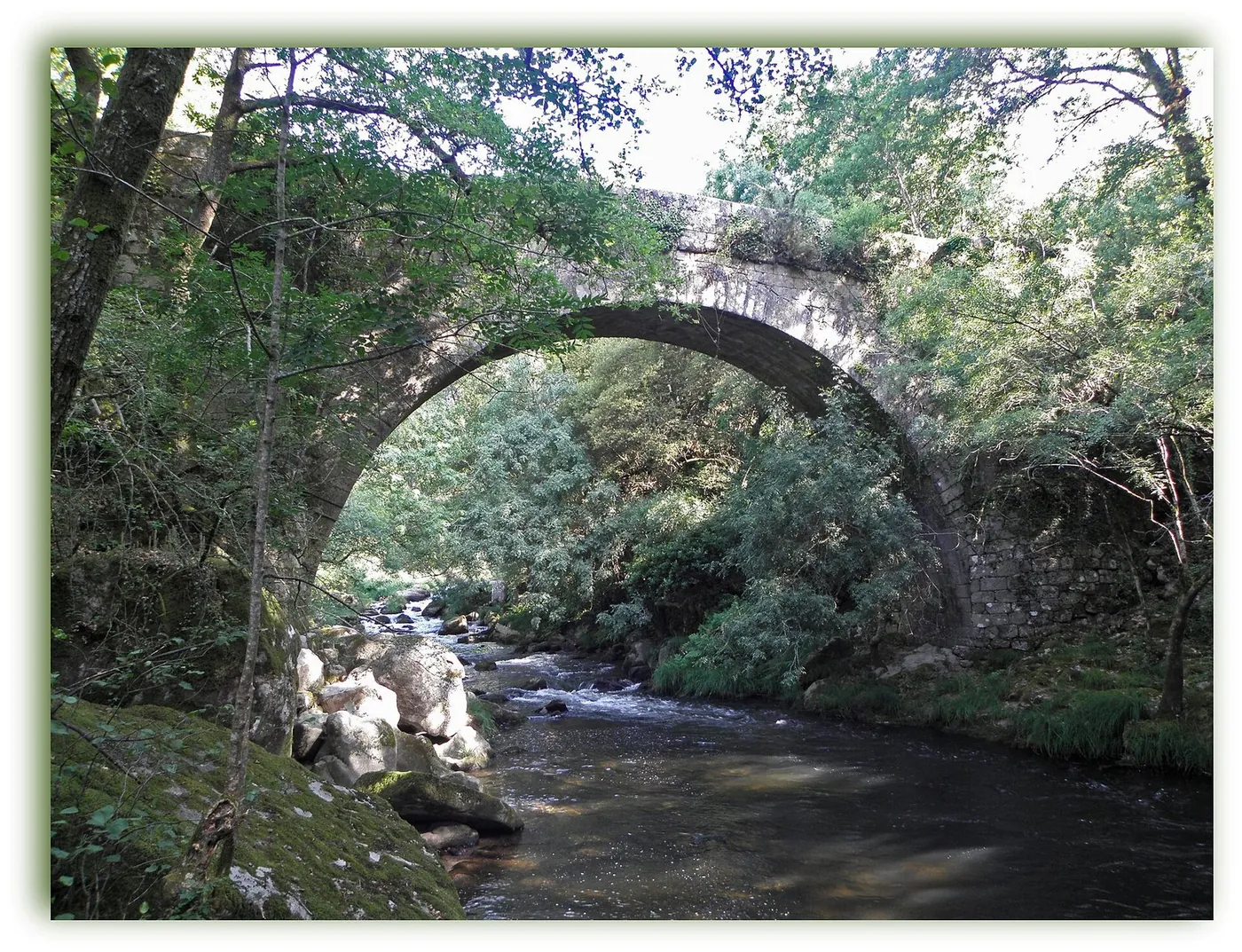
Caldas de Reis is home to the Parque-Xardín Botánico e Carballeira, a unique botanical garden and carballeira. The town also features several Roman Catholic churches, including the Igrexa de Santa María de Bemil, which showcases dedicated heritage. The historic bridge, Ponte de Bermaña, is another notable attraction, highlighting the town's Roman origins. These natural and cultural attractions provide a serene start to the stage. The town's library, Biblioteca Pública Municipal Padre Manuel Martínez Ferro, is also a notable point of interest. Walkers can explore the town's quieter areas, such as the Rúa Ferrarías, and discover the unique charm of Caldas de Reis. The crowd index of 0.1274 indicates that Caldas de Reis is a less crowded town, making it an ideal place to relax and unwind.
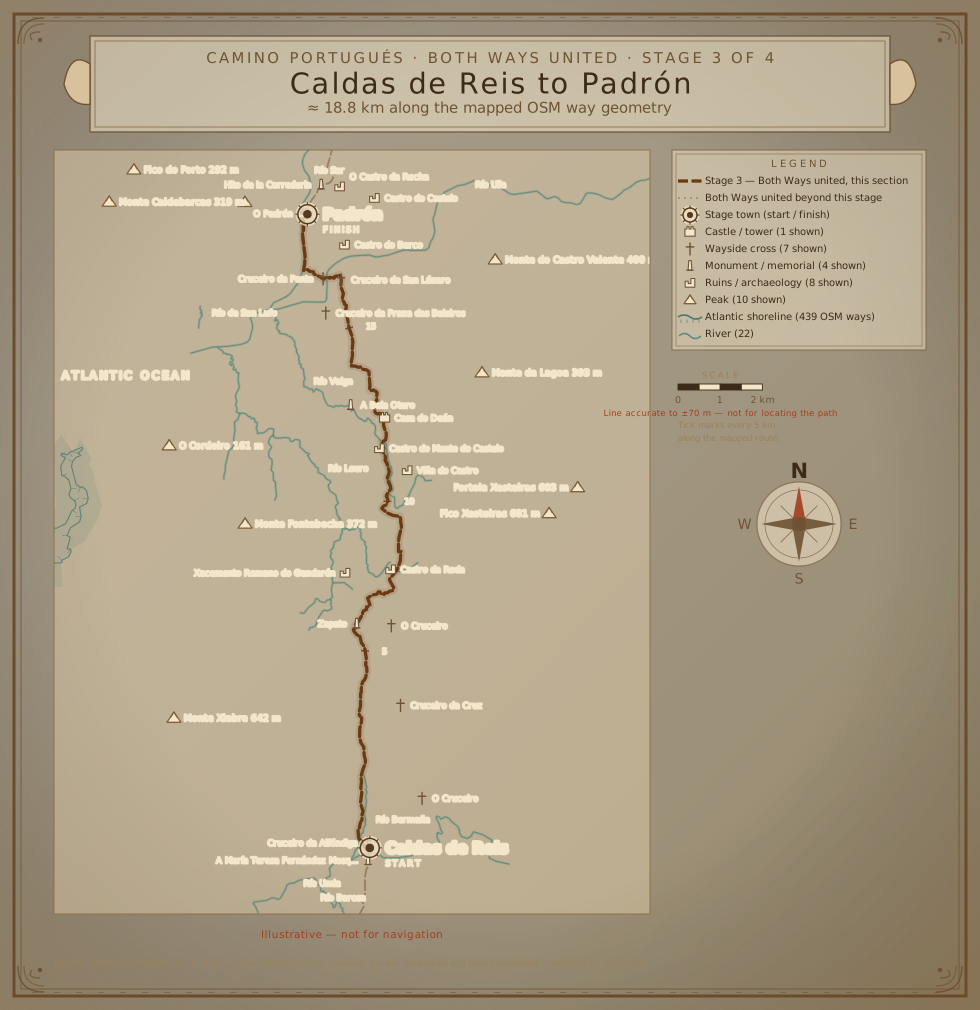
Map
Cultural and Historical Sites in Padrón
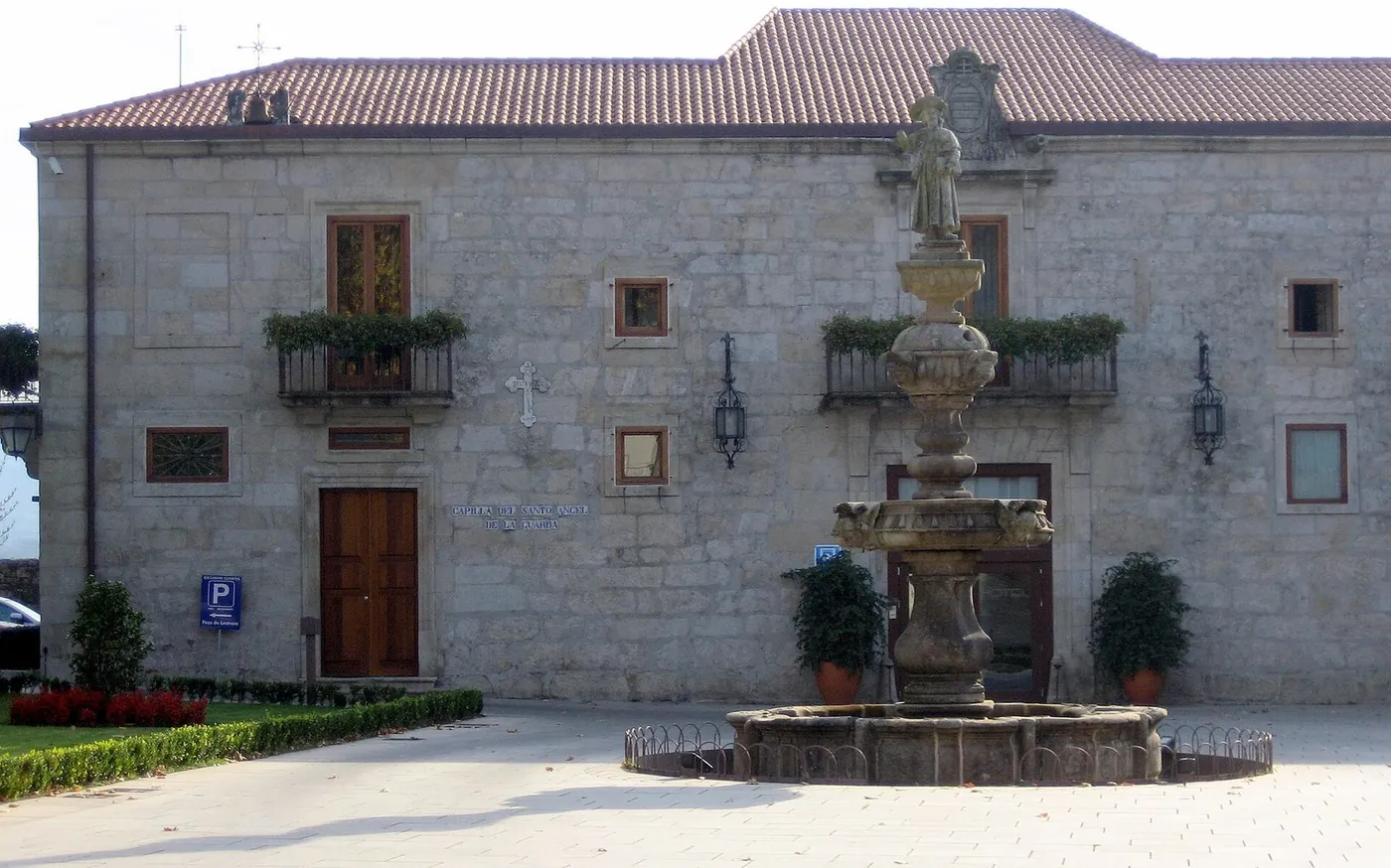
Padrón boasts a rich cultural and historical landscape, with sites like the Casa Museo de Rosalía de Castro, dedicated to the local literary heritage. The ancient Roman archaeological site, O Pedrón, is an interesting stop, dedicated to Neptune. The Torres de Hermida, a historic manor turned monument, and the Pazo de Lestrobe, a baroque-style pazo, represent the local architectural heritage. These sites offer a deeper understanding of the region's history and culture. Walkers can also visit the Convento do Carme, a Neoclassical-style convent, and the Igrexa de Santa María de Iria Flavia, a former cathedral. The crowd index of 0.1462 indicates that Padrón is a more popular town, with a wider range of cultural and historical attractions to explore. The pageview seasonality shows that Padrón has a peak of 3854 views in August, making it a bustling town during the summer months.
Exploring Less Crowded Areas and Hidden Gems
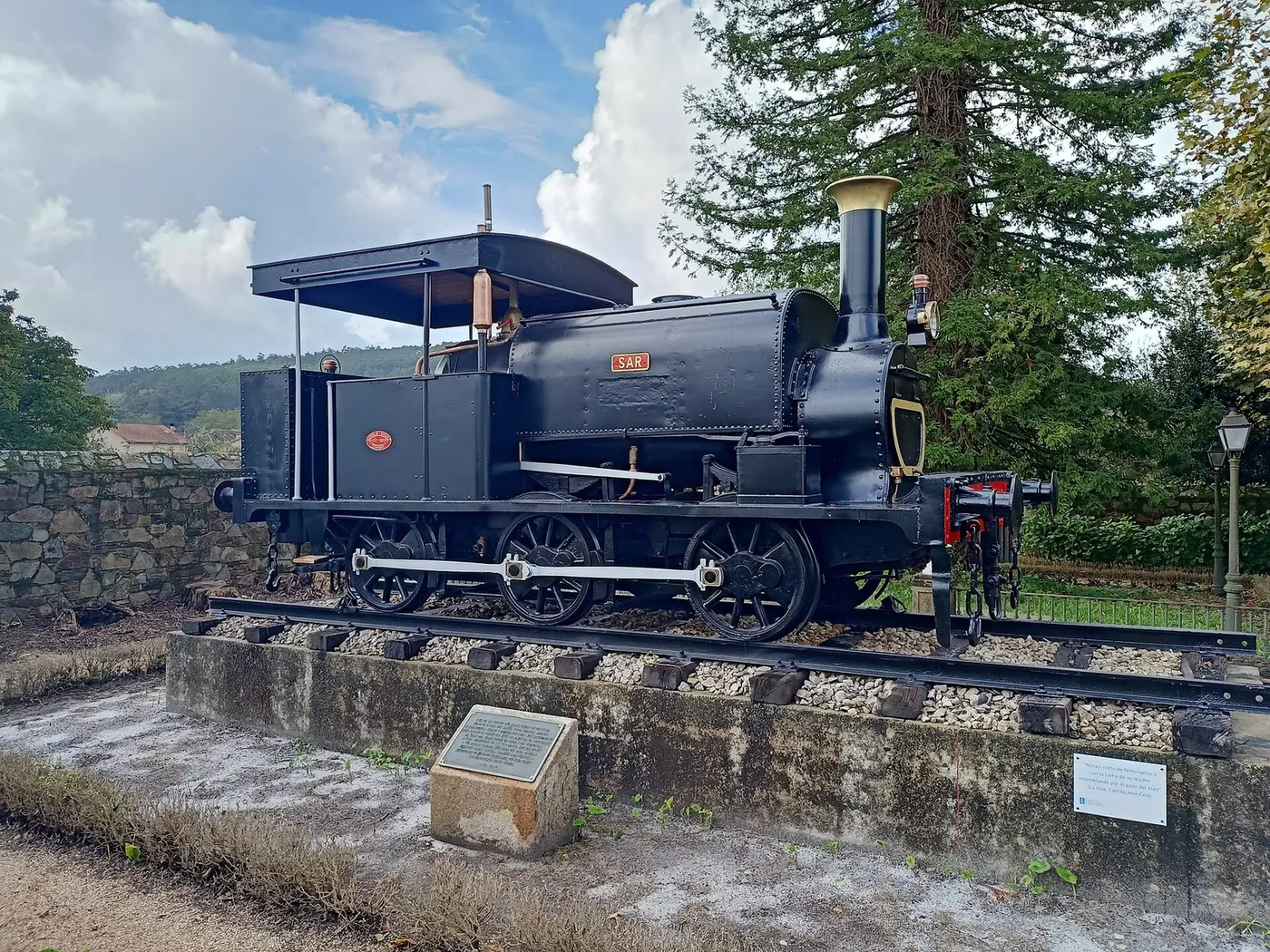
For those seeking less crowded areas, the Capela do Santiaguiño do Monte in Padrón is a chapel dedicated to St. James the Elder, offering a more serene religious experience. The Locomotora Sar, a preserved locomotive, provides an industrial heritage perspective. Exploring these less crowded areas and hidden gems allows walkers to experience the authentic charm of the Camino Portugués without the hustle and bustle of more popular sites. The Pontecesures train station is also a notable point of interest, offering a glimpse into the region's industrial past. Walkers can take their time to explore the town's quieter areas, such as the A Torre do Monte, a historic manor turned monument. The crowd index contrast between Caldas de Reis and Padrón allows walkers to experience a range of environments, from quieter to more popular areas.
Understanding Crowd Index and Its Impact on the Walking Experience
The crowd index is an essential factor to consider when walking the Camino Portugués. Caldas de Reis and Padrón have different crowd indices, with Padrón being slightly more popular. Understanding these differences helps walkers plan their itinerary and anticipate the level of interaction with other pilgrims. The varied crowd index along this stage allows for a mix of social interaction and solitary reflection. Walkers can use the crowd index to plan their accommodations, meals, and sightseeing, ensuring a more enjoyable and stress-free experience. The pageview seasonality also provides valuable insights into the popularity of each town, helping walkers to plan their itinerary accordingly. By understanding the crowd index and pageview seasonality, walkers can make the most of their Camino Portugués experience.
Heritage and Architectural Styles Along the Route
The route from Caldas de Reis to Padrón showcases a range of heritage and architectural styles. From the Roman origins of the Ponte de Bermaña to the baroque-style Pazo de Lestrobe, walkers can appreciate the diverse cultural and historical influences that have shaped the region. The unique blend of natural beauty, cultural attractions, and historical significance makes this stage a memorable part of the Camino Portugués journey. Walkers can explore the town's historic centers, such as the Concello de Caldas de Reis, and discover the unique charm of each town. The architectural styles, ranging from Roman to Neoclassical, provide a fascinating glimpse into the region's history and culture. The heritage and architectural styles along the route add to the richness and diversity of the Camino Portugués experience.
Conclusion: Balancing Popular and Quieter Experiences on the Camino Portugués
The Camino Portugués from Caldas de Reis to Padrón offers a balanced mix of popular and quieter experiences, allowing walkers to enjoy both the natural beauty and cultural significance of the region. With the help of the WalkSage audio guide, walkers can navigate this stage with ease, appreciating the unique attractions and hidden gems that make this journey so rewarding. The crowd index contrast between Caldas de Reis and Padrón allows walkers to experience a range of environments, from quieter to more popular areas. The pageview seasonality provides valuable insights into the popularity of each town, helping walkers to plan their itinerary accordingly. By balancing popular and quieter experiences, walkers can create a personalized and enjoyable Camino Portugués experience, tailored to their individual preferences and needs. The Camino Portugués is a journey that offers something for everyone, and this stage is no exception.
Points of interest
In walking order. Each stop is the audio chapter you'll hear in the app: the story, the Local Angle, and the sources behind both.
Parque-Xardín Botánico e Carballeira de Caldas de Reis
local spotCrowds: not yet measuredParque-Xardín Botánico e Carballeira de Caldas de Reis is a park and botanical garden in Caldas de Reis. It is an instance of a park and a botanical garden.
Local Angle
Less crowded than other sites, with a crowd_index of 0.1274.
Igrexa de Santa María de Bemil
churchCrowds: not yet measuredIgrexa de Santa María de Bemil is a Roman Catholic church in Caldas de Reis. It is dedicated to Mary.
Local Angle
A quiet spot, given its relatively low page views.
Ponte de Bermaña
bridgeCrowds: not yet measuredPonte de Bermaña is a historic bridge in Caldas de Reis with Roman origins.
Local Angle
Often overlooked, despite its historic significance.
Casa Museo de Rosalía de Castro
museumCrowds: not yet measuredCasa Museo de Rosalía de Castro is a museum in Padrón, dedicated to the literary heritage of Rosalía de Castro. It is a cultural property and a historic house museum.
Local Angle
A local favorite, with Padrón having a crowd_index of 0.1462.
O Pedrón
archaeological siteCrowds: not yet measuredO Pedrón is an ancient Roman archaeological site in Padrón, dedicated to Neptune. It is a votive altar.
Local Angle
A less visited site, despite its historical importance.
Torres de Hermida
manorCrowds: not yet measuredTorres de Hermida is a historic manor in Padrón, with a heritage designation. It is an instance of a tower and a monument.
Local Angle
Not as crowded as other POIs in Padrón.
Pazo de Lestrobe
manorCrowds: not yet measuredPazo de Lestrobe is a Baroque-style pazo in Padrón. It is a cultural property and a monument.
Local Angle
A notable example of local architecture, with a relatively low crowd_index.
Locomotora Sar
locomotiveCrowds: not yet measuredLocomotora Sar is a preserved locomotive in Padrón. It is a saddle tank locomotive.
Local Angle
An industrial heritage site, often overlooked by walkers.
Capela do Santiaguiño do Monte
chapelCrowds: not yet measuredCapela do Santiaguiño do Monte is a chapel in Padrón, dedicated to St. James the Elder. It is a place of worship.
Local Angle
A quiet, less crowded alternative to other religious sites.
Climate (Padrón (1991–2020 normals, nearest model grid point))
| Month | Mean temp (°C) | Precipitation (mm) |
|---|---|---|
| Jan | 9.1 | 173.2 |
| Feb | 9.4 | 119.4 |
| Mar | 11.3 | 124.9 |
| Apr | 12.8 | 127.7 |
| May | 15.2 | 107.6 |
| Jun | 18.1 | 57.9 |
| Jul | 20.2 | 32.3 |
| Aug | 20.4 | 48.4 |
| Sep | 18.6 | 78.7 |
| Oct | 15.5 | 179 |
| Nov | 11.8 | 179.6 |
| Dec | 9.8 | 174.5 |
Climate data: archive-api.open-meteo.com. Missing values are shown as "—", never estimated.
Sources
- https://www.wikidata.org/wiki/Q1448886
- https://wikimedia.org/api/rest_v1/metrics/pageviews/per-article/es.wikipedia/all-access/user/Caldas_de_Reyes/monthly/20250801/20260731
- https://archive-api.open-meteo.com/v1/archive?latitude=42.602778&longitude=-8.638333&start_date=1991-01-01&end_date=2020-12-31&daily=temperature_2m_mean%2Cprecipitation_sum&timezone=UTC
- https://www.wikidata.org/wiki/Q500494
- https://wikimedia.org/api/rest_v1/metrics/pageviews/per-article/es.wikipedia/all-access/user/Padr%C3%B3n_%28La_Coru%C3%B1a%29/monthly/20250801/20260731
- https://archive-api.open-meteo.com/v1/archive?latitude=42.739023&longitude=-8.66025&start_date=1991-01-01&end_date=2020-12-31&daily=temperature_2m_mean%2Cprecipitation_sum&timezone=UTC
- https://www.openstreetmap.org/relation/12786090