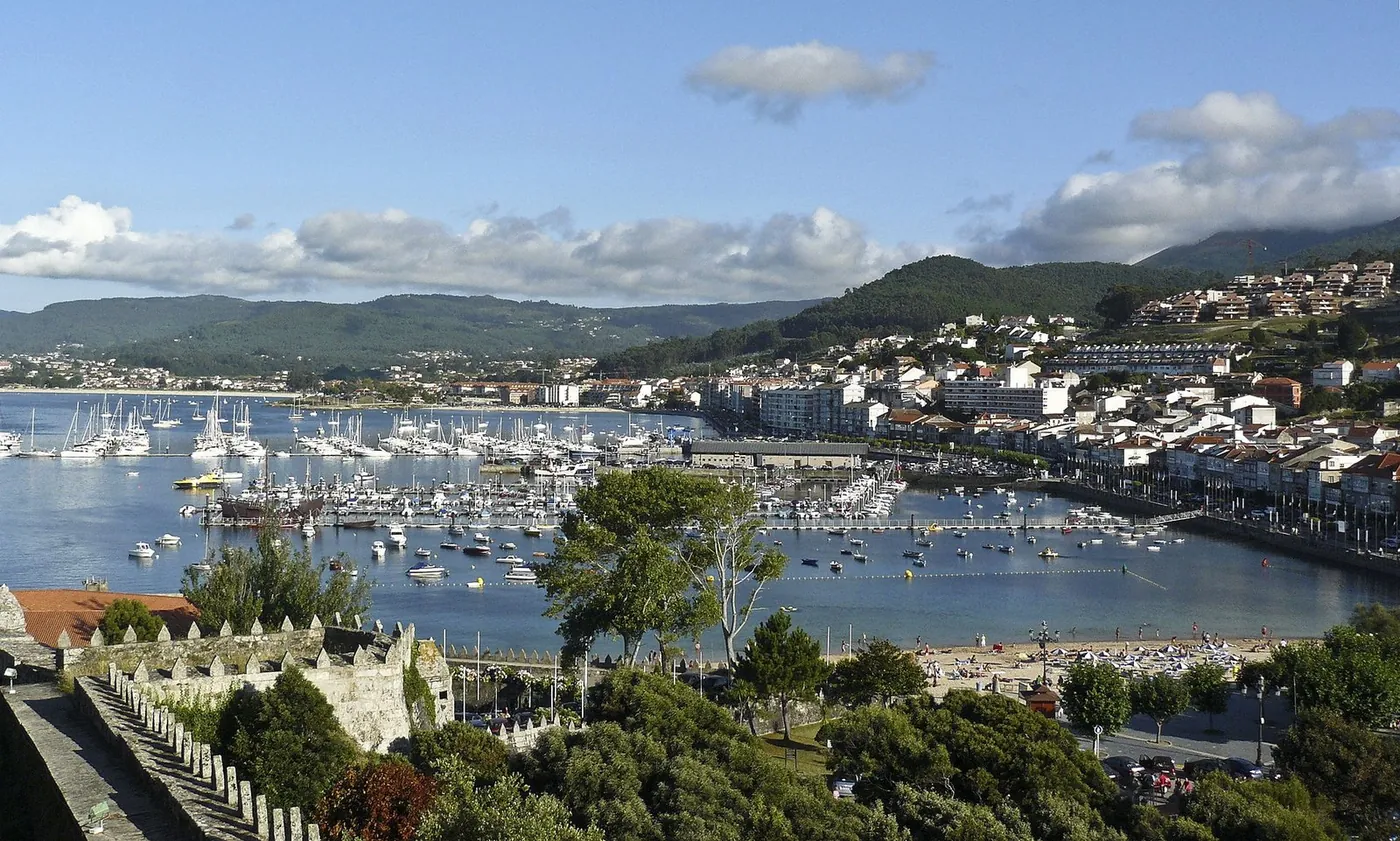
Baiona, with a crowd index of 0.2666, offers a unique experience for pilgrims. The town's rich heritage and natural beauty can be explored beyond its popular sites. From conservation areas to historic landmarks, Baiona has a lot to discover. The town's pageview seasonality shows a peak in August with 5858 views, indicating a popular time to visit. However, the crowd index suggests that Baiona remains less crowded compared to other towns like Santiago de Compostela, which is the most viewed town on the route. This contrast makes Baiona an attractive option for those seeking a more peaceful experience.
Baiona Beyond the Crowds: Exploring the Town's Rich Heritage
Through: Baiona
Introduction to Baiona's Hidden Gems
Baiona, a town with a crowd index of 0.2666, is often overshadowed by its more popular counterpart, Santiago de Compostela. However, this town has a rich heritage waiting to be explored. With a mean temperature of 10.2°C in January and 20.1°C in August, Baiona's climate is mild and pleasant. The town's population of 12361 inhabitants ensures that it is not too crowded, making it an ideal destination for those seeking a more peaceful experience. The pageview seasonality data shows that the town's popularity varies throughout the year, with a peak in August and a low in November. This information can help pilgrims plan their visit and avoid the crowds. By exploring Baiona, pilgrims can experience the town's unique culture and history, which is reflected in its many landmarks and conservation areas. The town's crowd index and pageview seasonality data provide valuable insights for pilgrims, allowing them to make the most of their visit.
Exploring Natural Heritage: Conservation Areas and Hillforts
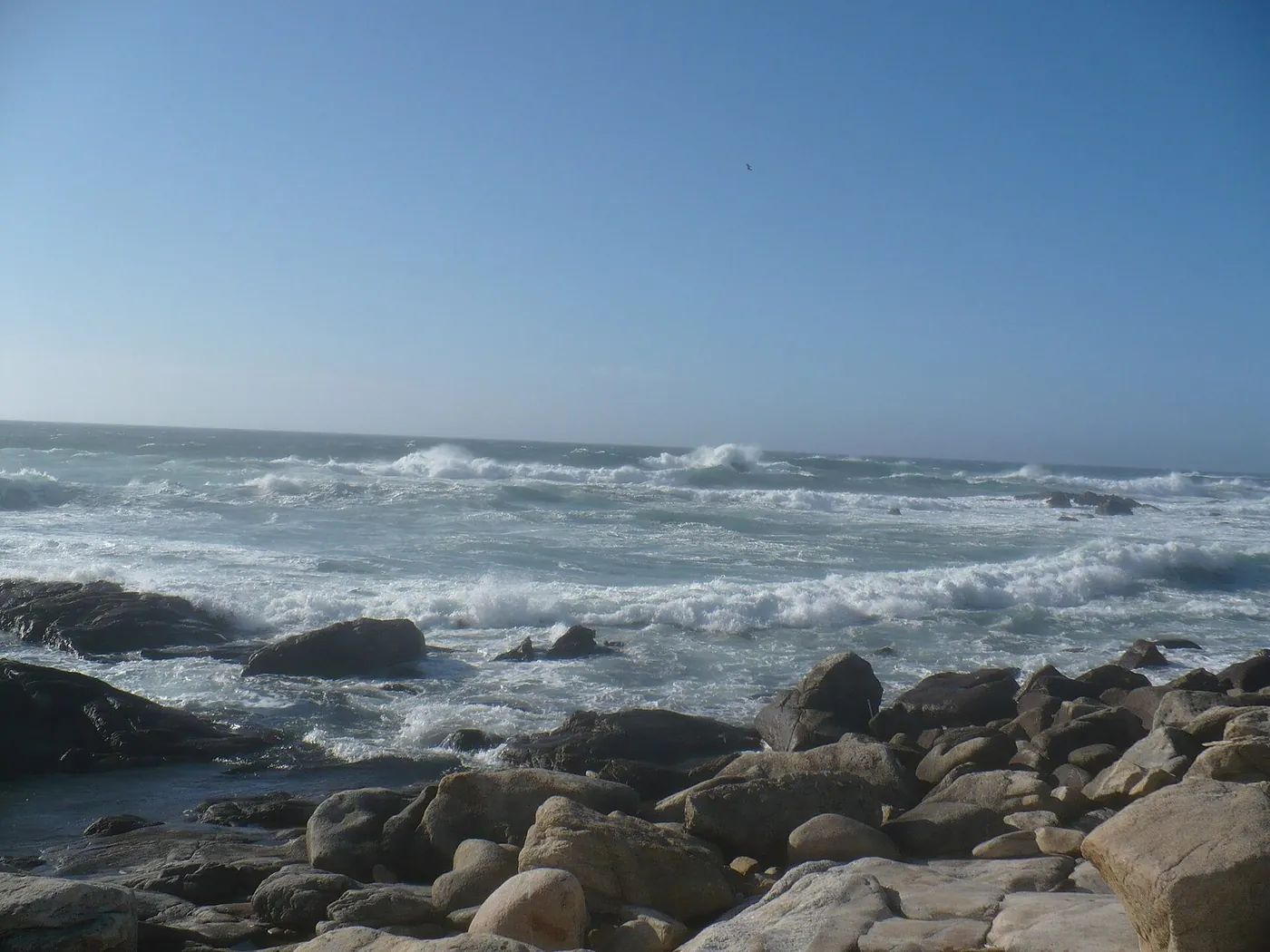
The ZEC A Ramallosa, a Special Area of Conservation, is a unique natural setting that showcases Baiona's commitment to preserving its environment. The Castro de Monte Real, an archaeological site and hillfort, offers a glimpse into the town's historic past. These sites are a testament to Baiona's rich cultural and natural heritage, and are worth exploring for those interested in learning more about the town's history and conservation efforts. The town's natural heritage is also reflected in its climate, with a mean precipitation of 209.4 mm in January and 30.6 mm in July. The conservation areas and hillforts are a great way to experience the town's natural beauty and learn about its history. The Castro da Carabela and Castro de Santa Marta are other notable hillforts in the area, offering a unique perspective on the town's prehistoric past. By exploring these sites, pilgrims can gain a deeper understanding of Baiona's natural and cultural heritage.
Discovering Religious Landmarks: Churches and Chapels
The Colexiata de Santa María de Baiona, a Gothic church building, is a significant architectural landmark in the town. The Capela de Santa Liberata de Baiona, a chapel with a unique dedication, offers insight into the town's history and religious heritage. These landmarks are a testament to Baiona's rich cultural and religious heritage, and are worth visiting for those interested in learning more about the town's history and architecture. The town's religious landmarks are also reflected in its many chapels, such as the Capela de Santa Marta do Burgo and the Capela da Misericordia. These chapels offer a glimpse into the town's religious past and are a great way to experience the town's cultural heritage. The Igrexa da Anunciación and Capela de San Xoán are other notable religious landmarks in the area, providing a unique perspective on the town's religious history. By exploring these sites, pilgrims can gain a deeper understanding of Baiona's religious and cultural heritage.
Uncovering Baiona's Cultural Significance: Monuments and Sculptures
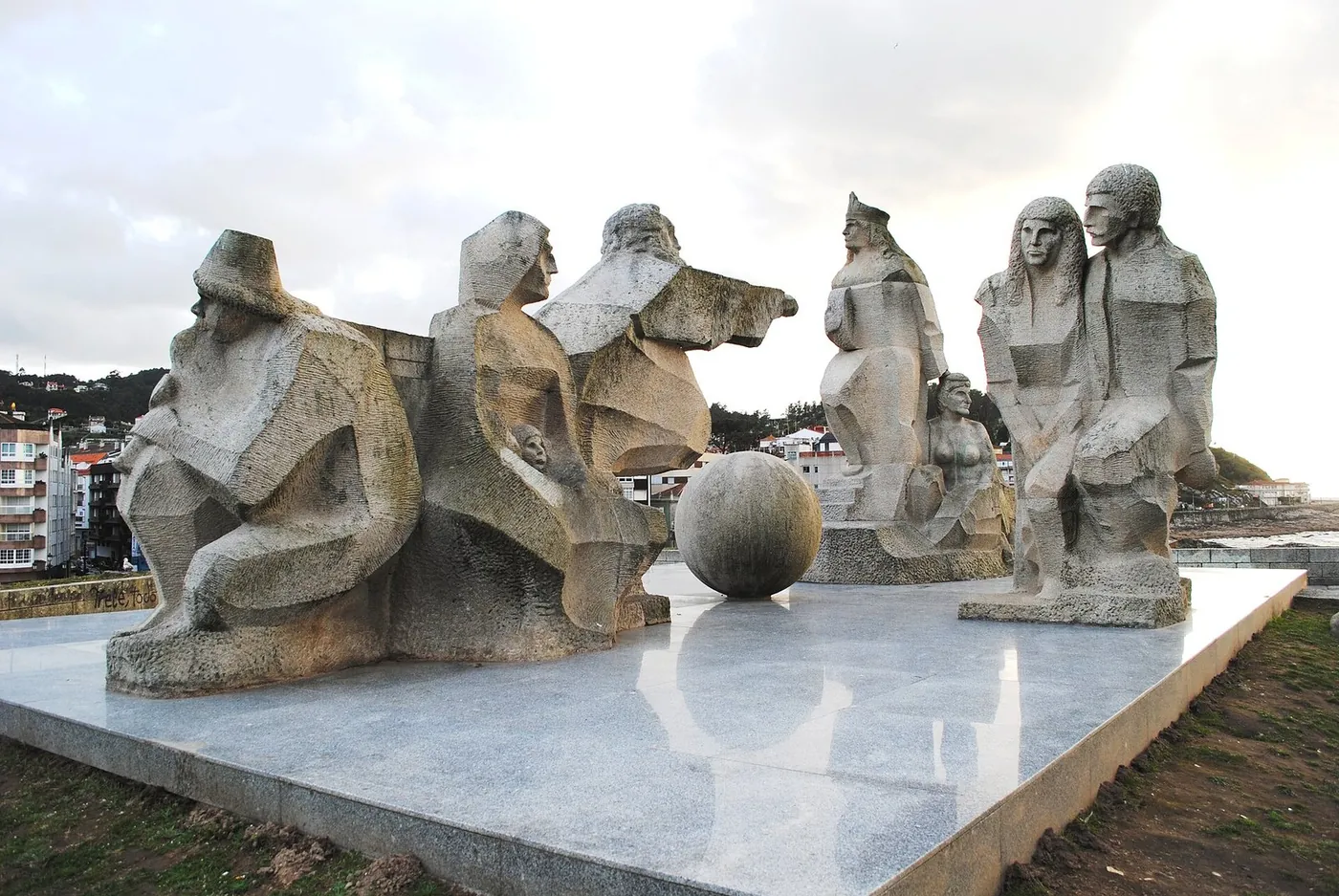
The Monumento Encontro entres Dous Mundos, a monument symbolizing the encounter between two worlds, highlights Baiona's cultural importance. The Cruceiro da Santísima Trindade, a 15th-century wayside cross, is a notable example of the town's cultural and artistic heritage. These monuments and sculptures are a testament to Baiona's rich cultural and artistic heritage, and are worth exploring for those interested in learning more about the town's history and culture. The town's cultural significance is also reflected in its many monuments, such as the Monument to Martín Alonso Pinzón and the Monument to Alfonso IX. These monuments offer a glimpse into the town's history and are a great way to experience the town's cultural heritage. The Virxe da Rocha and Monumento a Martin Alonso Pinzón are other notable monuments in the area, providing a unique perspective on the town's cultural and historical significance. By exploring these sites, pilgrims can gain a deeper understanding of Baiona's cultural and artistic heritage.
Walking Through History: Archaeological Sites and City Gates
The Castro da Carabela, an archaeological site and hillfort, offers a glimpse into the town's historic past. The Porta Real and Porta do Sol, historic city gates, are a testament to Baiona's rich cultural and historical heritage. These sites are worth exploring for those interested in learning more about the town's history and architecture, and offer a unique perspective on the town's development over time. The town's archaeological sites, such as the Castro de Santa Marta, also offer a glimpse into the town's prehistoric past. The city gates, such as the Porta Real, are a great way to experience the town's history and learn about its development over time. The Concello de Baiona, a municipal building, is another notable landmark in the area, providing a unique perspective on the town's administrative history. By exploring these sites, pilgrims can gain a deeper understanding of Baiona's historical and cultural heritage.
Conclusion: Baiona Beyond the Crowds
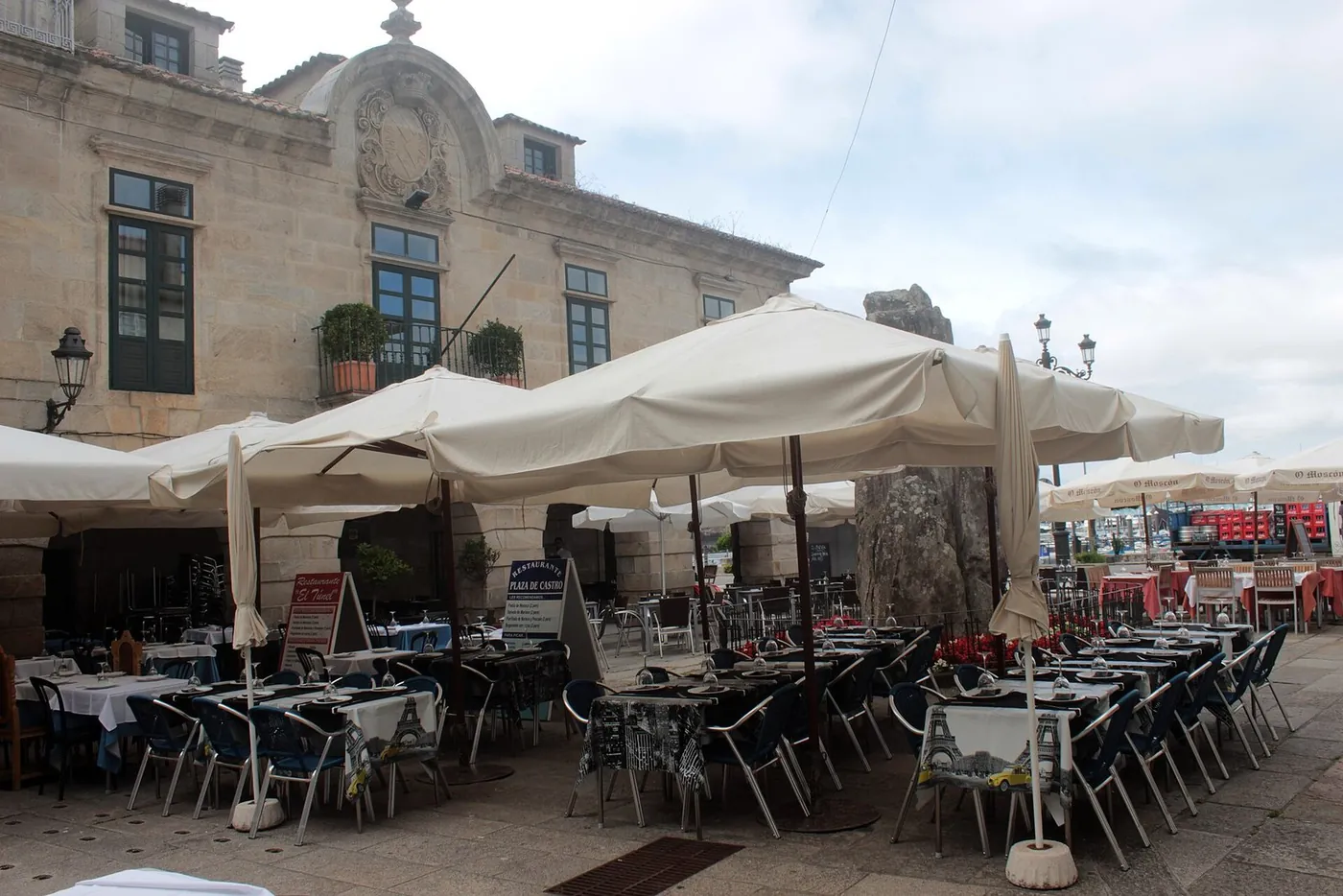
Baiona, with its rich heritage and natural beauty, is a town that has a lot to offer beyond its popular sites. From conservation areas to historic landmarks, the town is a treasure trove of cultural and natural significance. As you explore the town, consider using the WalkSage audio-guide to gain a deeper understanding of the town's history and culture, and to discover the hidden gems that make Baiona a unique and special destination. The town's crowd index and pageview seasonality data can help you plan your visit and avoid the crowds, making for a more peaceful and enjoyable experience. With its mild climate and rich heritage, Baiona is a great destination for those seeking a unique and culturally significant experience. The town's many landmarks, conservation areas, and cultural sites make it an ideal destination for pilgrims, and its crowd index and pageview seasonality data provide valuable insights for planning a successful and enjoyable visit.
Points of interest
In walking order. Each stop is the audio chapter you'll hear in the app: the story, the Local Angle, and the sources behind both.
ZEC A Ramallosa
local spotCrowds: not yet measuredZEC A Ramallosa is a Special Area of Conservation. It has a unique natural setting and is protected as a Natura 2000 site. The area is designated as ES1140003. It was established in 2004.
Local Angle
Less crowded than Santiago de Compostela, with a crowd_index of 0.2666.
Colexiata de Santa María de Baiona
churchCrowds: not yet measuredThe Colexiata de Santa María de Baiona is a Gothic church building. It is dedicated to Mary and has a notable architectural style. The church is a significant example of Gothic art.
Local Angle
A quieter alternative to more popular destinations, given Baiona's relatively low crowd_index.
Castro de Monte Real
archaeological siteCrowds: not yet measuredThe Castro de Monte Real is an archaeological site and hillfort. It is a historic location with significant cultural importance.
Local Angle
Off the beaten path, with fewer visitors than the town's more popular sites.
Cruceiro da Santísima Trindade
wayside crossCrowds: not yet measuredThe Cruceiro da Santísima Trindade is a 15th-century wayside cross. It is a notable example of a calvary and has a significant inception date. The cross is a historic landmark.
Local Angle
A quiet spot to reflect, given its location and historic significance.
Capela da Misericordia
chapelCrowds: not yet measuredThe Capela da Misericordia is a chapel dedicated to the Virgin of Mercy. It is a place of worship and has a significant dedication.
Local Angle
A less visited chapel, offering a peaceful atmosphere for reflection.
Monumento Encontro entres Dous Mundos
memorialCrowds: not yet measuredThe Monumento Encontro entres Dous Mundos is a monument symbolizing the encounter between two worlds. It was created by Maxín Picallo and has a notable inception date. The monument highlights Baiona's cultural importance.
Local Angle
A unique monument, worth visiting for its cultural significance and relatively low crowd_index.
Capela de Santa Liberata de Baiona
chapelCrowds: not yet measuredThe Capela de Santa Liberata de Baiona is a chapel with a unique dedication. It was established in 1709 and has a significant inception date. The chapel offers insight into the town's history.
Local Angle
A quieter chapel, with a rich history and relatively low crowd_index.
Climate (Baiona (1991–2020 normals, nearest model grid point))
| Month | Mean temp (°C) | Precipitation (mm) |
|---|---|---|
| Jan | 10.2 | 209.4 |
| Feb | 10.4 | 140.3 |
| Mar | 12 | 155.4 |
| Apr | 13.2 | 150.7 |
| May | 15.5 | 126.1 |
| Jun | 18.1 | 54.8 |
| Jul | 19.9 | 30.6 |
| Aug | 20.1 | 44.4 |
| Sep | 18.6 | 86.1 |
| Oct | 16 | 215 |
| Nov | 12.8 | 228.6 |
| Dec | 11 | 214.3 |
Climate data: archive-api.open-meteo.com. Missing values are shown as "—", never estimated.
Sources
- https://www.wikidata.org/wiki/Q748867
- https://wikimedia.org/api/rest_v1/metrics/pageviews/per-article/es.wikipedia/all-access/user/Bayona_%28Espa%C3%B1a%29/monthly/20250801/20260731
- https://archive-api.open-meteo.com/v1/archive?latitude=42.119926&longitude=-8.850086&start_date=1991-01-01&end_date=2020-12-31&daily=temperature_2m_mean%2Cprecipitation_sum&timezone=UTC