Stage 6 of the Camino Portugués Coastal Way takes walkers from A Guarda to Baiona, contrasting the relatively quiet A Guarda with the more popular Baiona. The crowd index of A Guarda is 0.1266, while Baiona's is 0.2666. This stage offers a mix of history, culture, and natural beauty, with walkers experiencing the unique blend of Atlantic coastal scenery and rich cultural heritage. The average temperature in January, the coolest month, is around 10.2°C in Baiona, while A Guarda's average temperature is 10.3°C, making for a pleasant walking experience. The pageview seasonality data shows that A Guarda has a relatively consistent number of views throughout the year, with 1998.8 monthly average page views, while Baiona's views peak in August with 5858 views. Walkers can expect a pleasant walking experience, with the opportunity to explore the towns' historic centers and enjoy the local cuisine. The stage map and guidebook can provide valuable information and help walkers navigate the route.
Camino Portugués Coastal Way Stage 6: A Guarda to Baiona
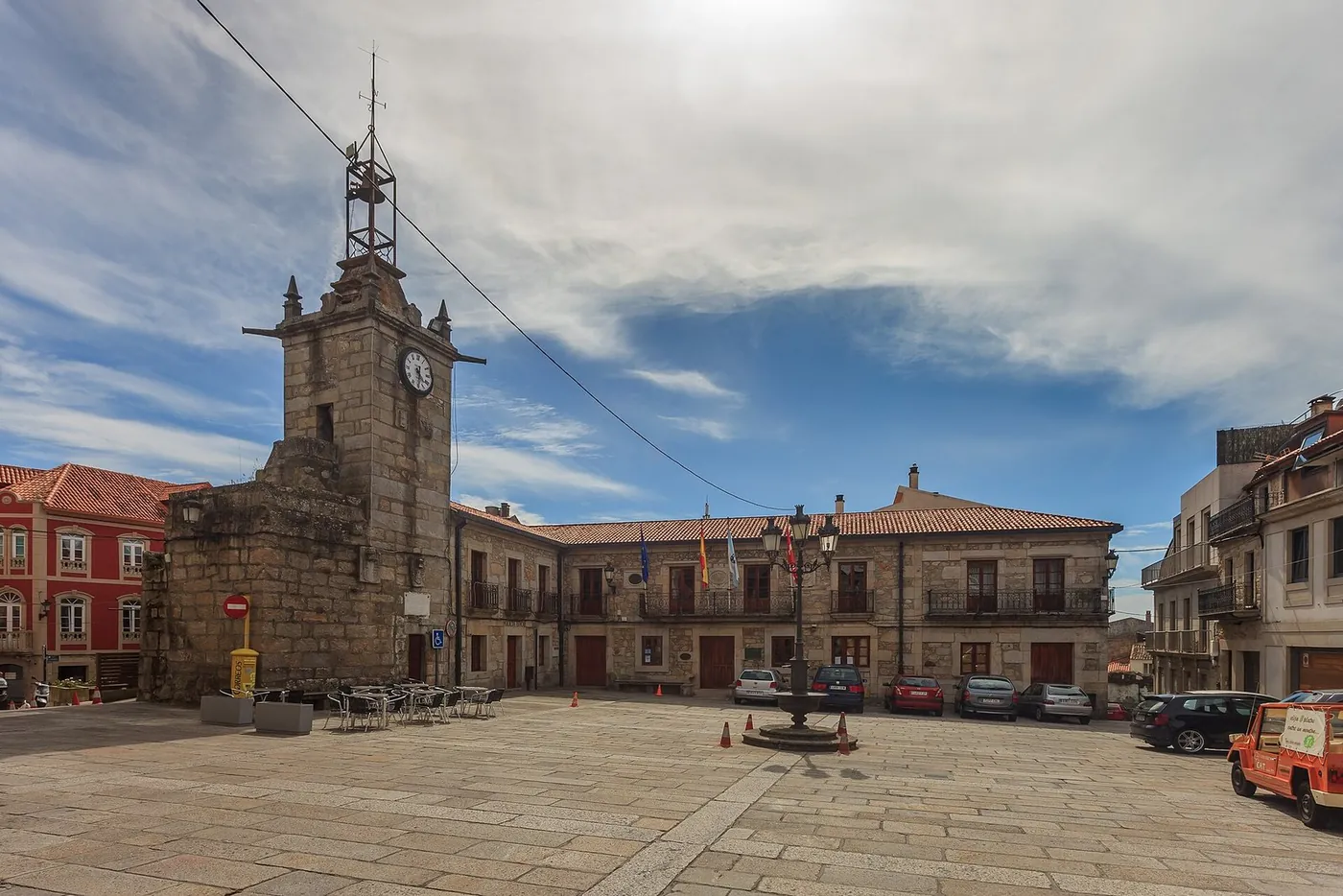
Through: A Guarda · Baiona
Introduction to Stage 6
The Camino Portugués Coastal Way Stage 6 begins in A Guarda, a town with a crowd index of 0.1266, indicating a relatively quiet atmosphere. Walkers will make their way to Baiona, a more popular destination with a crowd index of 0.2666. This stage is characterized by its unique blend of history, culture, and natural beauty, set against the backdrop of the Atlantic coast. The climate in both towns is mild, with average temperatures ranging from 10.2°C in January to 20.1°C in August. The pageview seasonality data shows that A Guarda has a relatively consistent number of views throughout the year, with 1998.8 monthly average page views, while Baiona's views peak in August with 5858 views. Walkers can expect a pleasant walking experience, with the opportunity to explore the towns' historic centers and enjoy the local cuisine. The towns' amenities, including restaurants and shops, are also available for walkers to enjoy. The walk's practical rhythm allows for a leisurely pace, with time to take in the sights and sounds of the surrounding area.
A Guarda: Starting Point
A Guarda, with its rich cultural significance, is an ideal starting point for this stage. The town's relatively low crowd index of 0.1266 makes it an attractive option for those seeking a more serene walking experience. Walkers can explore the town's historic center, visit the Castro de Santa Trega, and enjoy the local cuisine before embarking on their journey to Baiona. The town is home to several points of interest, including the Convento de San Bieito da Guarda, the Museo do Mar, and the Igrexa de Santa María da Asunción da Guarda. The monthly average page views for A Guarda are 1998.8, indicating a steady interest in this town. Walkers can take their time to explore the town's amenities, including the Concello da Guarda and the Clube de Remo Robaleira. The town's mild climate, with average temperatures ranging from 10.3°C in January to 19.8°C in August, makes it an ideal starting point for the walk. The walk's gentle pace allows for a relaxing start to the stage.
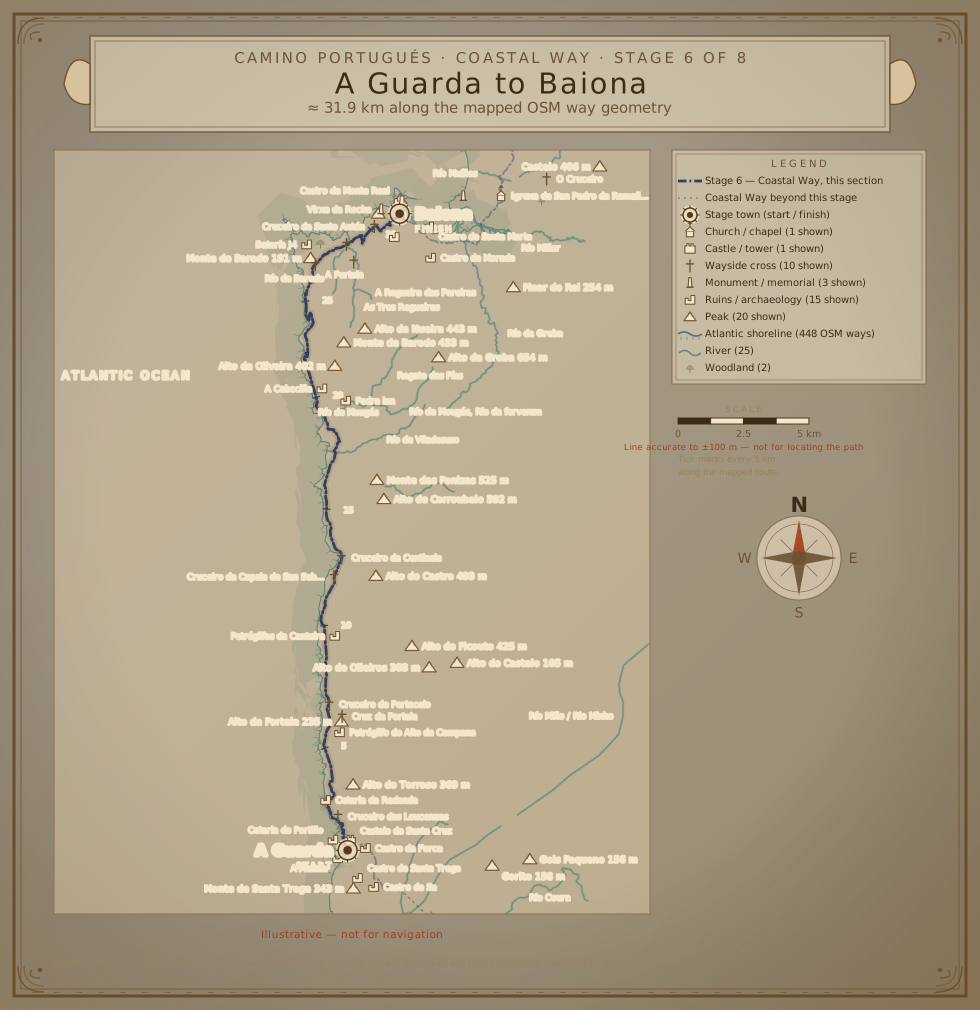
Map
POIs and Landmarks Along the Way
This stage of the Camino Portugués Coastal Way is dotted with interesting POIs and landmarks, including the 16th-century Convento de San Bieito da Guarda and the Museo do Mar, which showcases the maritime history of the region. The Colexiata de Santa María de Baiona, a beautiful church, is another notable landmark. These attractions offer a glimpse into the region's rich history and cultural heritage, making this stage a fascinating and enriching experience for walkers. The Convento de San Bieito da Guarda, in particular, is a notable example of 16th-century architecture, with its inception date of 1561-09-07. Walkers can also visit the Castro de Santa Trega, an archaeological site with heritage designation, and the Monte de Santa Trega, a natural peak. The stage's unique blend of history, culture, and natural beauty makes it a memorable experience for walkers. The POIs and landmarks along the way provide a glimpse into the region's past, with its rich cultural and historical significance.
Baiona: Destination and Its Attractions
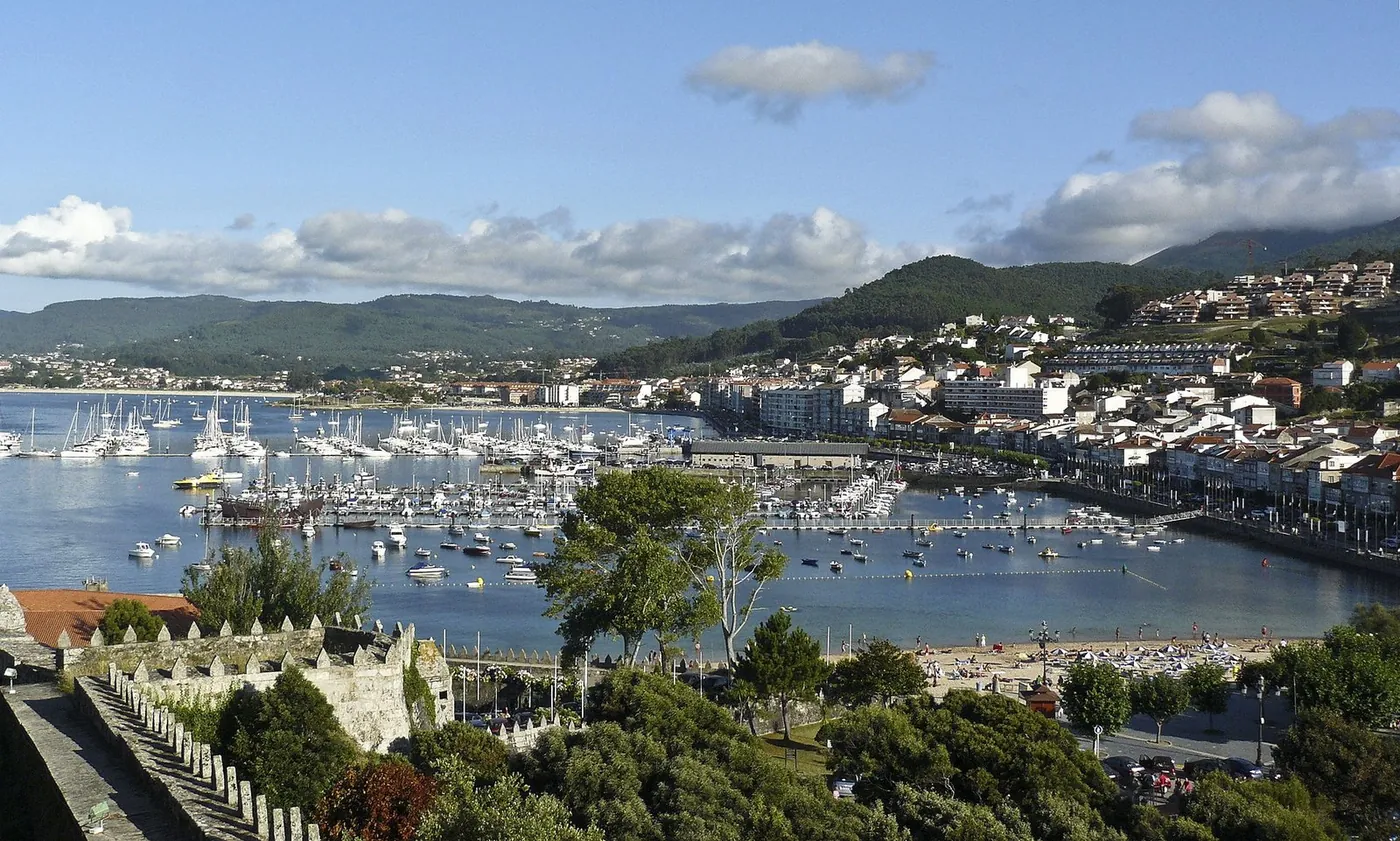
Baiona, the destination of this stage, is a popular town with a crowd index of 0.2666, indicating a more lively atmosphere. The town is home to several attractions, including the Casa da Navegación, a museum dedicated to navigation, and the Colexiata de Santa María de Baiona, a church. Walkers can also visit the Parador Nacional de Baiona, a historic hotel located in a former fortress. The town's average temperature in August, the warmest month, is around 20.1°C, making it an ideal summer destination. Baiona is also home to several other points of interest, including the Fortaleza de Monte do Boi and the Virxe da Rocha, a monument. Walkers can explore the town's historic center, visit the Concello de Baiona, and enjoy the local cuisine and hospitality. The town's amenities, including restaurants and shops, are available for walkers to enjoy. The stage's final destination, Baiona, is a fitting end to the walk, with its rich history and cultural significance.

Heritage and History of the Region
The region through which the Camino Portugués Coastal Way Stage 6 passes is steeped in history and heritage. The Castro de Santa Trega, an archaeological site with heritage designation, is a notable example of the region's rich cultural past. The Convento de San Bieito da Guarda, founded in 1561, is another significant landmark, showcasing the region's architectural and historical significance. Walkers can immerse themselves in the local culture and history, gaining a deeper understanding of the region's importance. The region is also home to several other archaeological sites, including the Castro da Carabela and the Castro de Monte Real. The Capela de Santa Liberata de Baiona, a chapel, is another notable landmark, with its inception date of 1709. The region's rich history and cultural heritage make it a fascinating and enriching experience for walkers. The stage's unique blend of history, culture, and natural beauty makes it a memorable experience for walkers.
Practical Information for Walkers
Walkers embarking on the Camino Portugués Coastal Way Stage 6 should be prepared for a unique and enriching experience. The stage offers a mix of history, culture, and natural beauty, with several POIs and landmarks to explore. To make the most of this experience, walkers can use the WalkSage audio guide, which provides valuable insights and information about the route, its history, and its cultural significance. The stage map and guidebook can provide valuable information and help walkers navigate the route. Walkers should also be aware of the practical aspects of the walk, including the need to plan their itinerary accordingly. The towns' amenities, including restaurants and shops, are available for walkers to enjoy. The walk's practical rhythm allows for a leisurely pace, with time to take in the sights and sounds of the surrounding area. Walkers can take their time to explore the towns' historic centers and enjoy the local cuisine and hospitality. The stage's unique blend of history, culture, and natural beauty makes it a memorable experience for walkers.
Points of interest
In walking order. Each stop is the audio chapter you'll hear in the app: the story, the Local Angle, and the sources behind both.
Castro de Santa Trega
archaeological siteCrowds: not yet measuredThe Castro de Santa Trega is an archaeological site with a heritage designation. It is an instance of an archaeological site, hillfort, and Samian Ware Discovery Site. The site has a rich history and is a significant cultural property in A Guarda, Spain.
Less crowded than other sites in the area, with a crowd_index of 0.1266, making it a great stop for those seeking a quieter experience.
Convento de San Bieito da Guarda
conventCrowds: not yet measuredThe Convento de San Bieito da Guarda is a 16th-century convent dedicated to Benedict of Nursia. It was inaugurated on 1561-09-07 and serves as a hotel. The convent is a notable example of a monasterio in La Guardia, España.
A Guarda has a lower crowd_index compared to Baiona, making the convent a more serene visit.
Museo do Mar
museumCrowds: not yet measuredThe Museo do Mar is a museum showcasing the maritime history of the area. It is located in A Guarda, Spain, and provides insight into the region's connection to the sea.
The museum is a great stop for those interested in the local maritime history, and its location in A Guarda means it is often less busy than similar attractions in Baiona.
Colexiata de Santa María de Baiona
churchCrowds: not yet measuredThe Colexiata de Santa María de Baiona is a Gothic church in Baiona, dedicated to Mary. It is an example of Gothic art and serves as a collegiate church.
Baiona has a higher crowd_index than A Guarda, but the church's location means it can still be a peaceful visit, especially for those interested in Gothic architecture.
Climate (Baiona (1991–2020 normals, nearest model grid point))
| Month | Mean temp (°C) | Precipitation (mm) |
|---|---|---|
| Jan | 10.2 | 209.4 |
| Feb | 10.4 | 140.3 |
| Mar | 12 | 155.4 |
| Apr | 13.2 | 150.7 |
| May | 15.5 | 126.1 |
| Jun | 18.1 | 54.8 |
| Jul | 19.9 | 30.6 |
| Aug | 20.1 | 44.4 |
| Sep | 18.6 | 86.1 |
| Oct | 16 | 215 |
| Nov | 12.8 | 228.6 |
| Dec | 11 | 214.3 |
Climate data: archive-api.open-meteo.com. Missing values are shown as "—", never estimated.
Sources
- https://www.wikidata.org/wiki/Q300433
- https://wikimedia.org/api/rest_v1/metrics/pageviews/per-article/es.wikipedia/all-access/user/La_Guardia_%28Pontevedra%29/monthly/20250801/20260731
- https://archive-api.open-meteo.com/v1/archive?latitude=41.901644&longitude=-8.875401&start_date=1991-01-01&end_date=2020-12-31&daily=temperature_2m_mean%2Cprecipitation_sum&timezone=UTC
- https://www.wikidata.org/wiki/Q748867
- https://wikimedia.org/api/rest_v1/metrics/pageviews/per-article/es.wikipedia/all-access/user/Bayona_%28Espa%C3%B1a%29/monthly/20250801/20260731
- https://archive-api.open-meteo.com/v1/archive?latitude=42.119926&longitude=-8.850086&start_date=1991-01-01&end_date=2020-12-31&daily=temperature_2m_mean%2Cprecipitation_sum&timezone=UTC
- https://www.openstreetmap.org/relation/12786090