Baiona and Vigo offer contrasting crowd experiences, with Baiona's crowd index at 0.2666 and Vigo's at 0.7607. This stage takes walkers through a mix of quiet and bustling areas, with a range of cultural and historical sites to explore. The crowd index difference is notable, with Baiona having a relatively low crowd index and Vigo having a higher one. Walkers can expect a more peaceful atmosphere in Baiona and a more lively one in Vigo. The pageview seasonality data shows that Baiona has a relatively consistent number of page views throughout the year, with an average of 4208.2 monthly page views, while Vigo has a more variable number of page views, with a peak in August and a trough in February.
Camino Portugués Coastal Way Stage 7: Baiona to Vigo
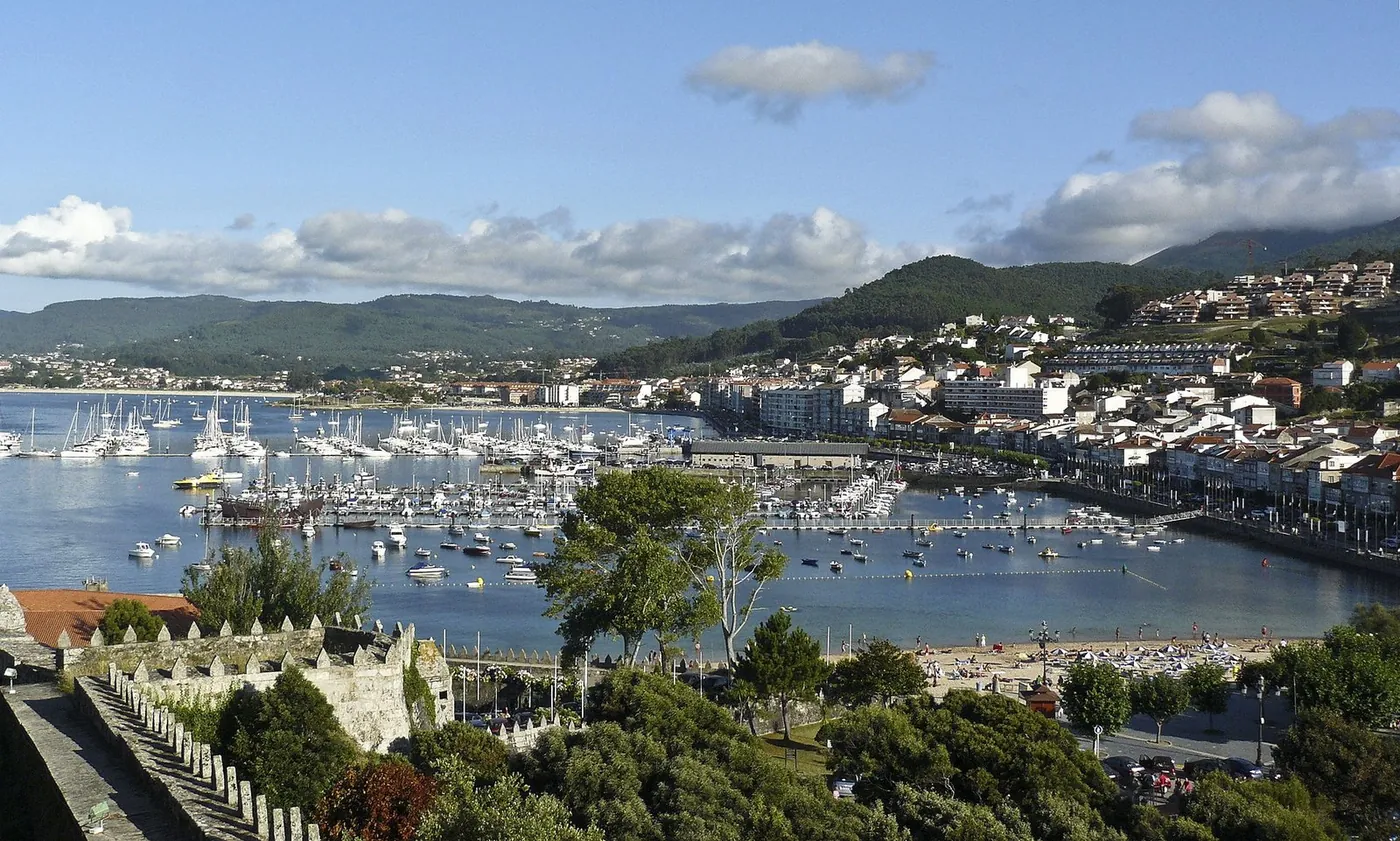
Through: Baiona · Vigo
Introduction to Stage 7: Baiona to Vigo
Stage 7 of the Camino Portugués Coastal Way takes walkers from Baiona to Vigo, offering a unique blend of quiet charm and cultural significance. With a crowd index of 0.2666, Baiona provides a peaceful starting point for the day's journey. The town's average temperature in January is 10.2°C, making it a relatively mild winter destination. As walkers make their way to Vigo, they can expect a more bustling atmosphere, with a crowd index of 0.7607. The climate in both towns is similar, with mild winters and warm summers. Walkers should be prepared for variable weather, with precipitation levels ranging from 30.6 mm in July to 228.6 mm in November. The walk from Baiona to Vigo takes walkers through a mix of urban and rural areas, with a range of cultural and historical sites to explore.
Exploring Baiona's Quiet Charm
Baiona's quiet charm is evident in its historic center, where walkers can explore the town's narrow streets and visit the Colexiata de Santa María de Baiona, a beautiful example of Gothic art. The town's Special Area of Conservation, ZEC A Ramallosa, is also worth visiting, with its unique flora and fauna. With an average of 4208.2 monthly page views, Baiona is a less crowded destination, making it an ideal starting point for walkers looking to escape the hustle and bustle of more popular towns. Walkers can also visit the Fortaleza de Monte do Boi, a historic fort with views of the surrounding area. The town's pageview seasonality data shows a relatively consistent number of page views throughout the year, with a peak in August and a trough in February. The climate in Baiona is mild, with average temperatures ranging from 10.2°C in January to 20.1°C in August.
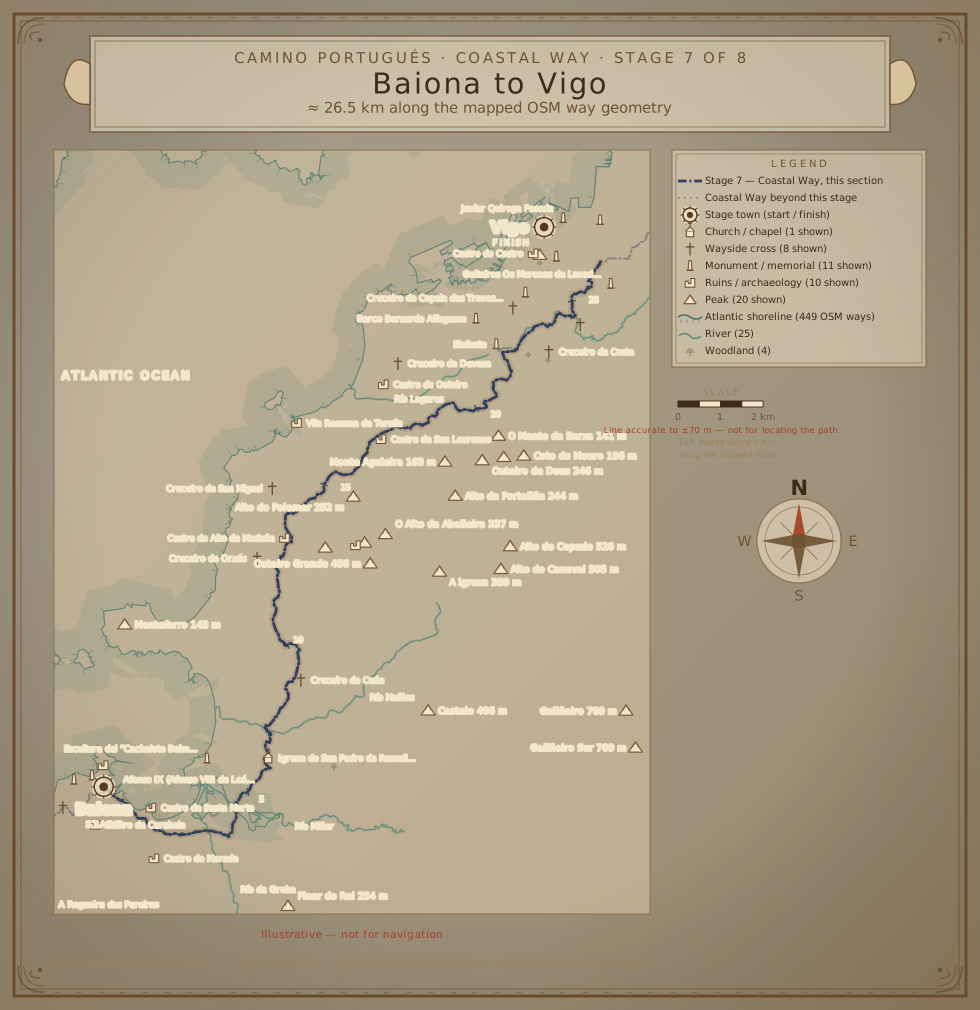
Map
Vigo's Cultural and Historical Significance
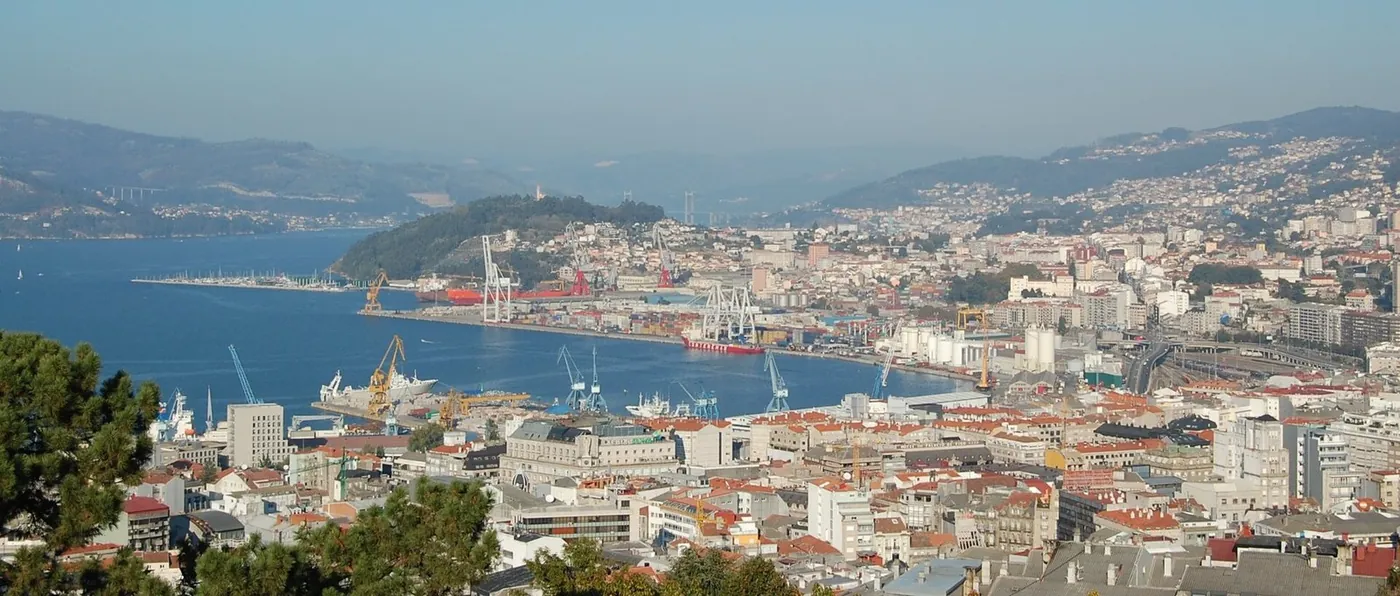
Vigo, on the other hand, is a bustling city with a rich cultural and historical heritage. The city is home to a number of significant landmarks, including the Museo de Arte Contemporánea de Vigo and the Concatedral de Santa María de Vigo. With a crowd index of 0.7607, Vigo is a more popular destination, attracting a large number of visitors each year. The city's average temperature in August is 20.1°C, making it a warm summer destination. Walkers can explore the city's historic center, visit its many museums and galleries, and enjoy the local cuisine. The city's pageview seasonality data shows a more variable number of page views, with a peak in August and a trough in February. The climate in Vigo is similar to Baiona, with mild winters and warm summers. Walkers should be prepared for variable weather, with precipitation levels ranging from 35.5 mm in July to 236.3 mm in November.
Heritage Sites and Landmarks
Both Baiona and Vigo are home to a number of significant heritage sites and landmarks. In Baiona, walkers can visit the Fortaleza de Monte do Boi, a historic fort with views of the surrounding area. In Vigo, the Castelo de San Sebastián is a notable landmark, with its unique architecture and historic significance. The city is also home to a number of other notable landmarks, including the Casa de Correos e Telégrafos and the Edificio de Estanislao Durán. These sites offer a glimpse into the region's rich history and cultural heritage. Walkers can also visit the Concatedral de Santa María de Vigo, a beautiful example of Neoclassical architecture. The city's many museums and galleries, including the Museo de Arte Contemporánea de Vigo, are also worth visiting. The heritage sites and landmarks in both towns are a testament to the region's rich cultural and historical significance.
Unusual POIs and Hidden Gems
In addition to its more well-known landmarks, the area is also home to a number of unusual POIs and hidden gems. The Castro do Castro, a historic hillfort, is a unique and fascinating site, with its rich history and cultural significance. The O Sereo, a sculpture in Vigo, is another notable example, with its unique design and artistic significance. Walkers can also visit the Fonte dos Cabalos, a beautiful fountain with a rich history. These sites offer a unique and off-the-beaten-path experience for walkers looking to explore the area's lesser-known attractions. The area is also home to a number of other unusual POIs, including the Cruceiro da Santísima Trindade, a historic wayside cross. The POIs in the area are a testament to the region's rich cultural and historical heritage, and offer a unique experience for walkers.
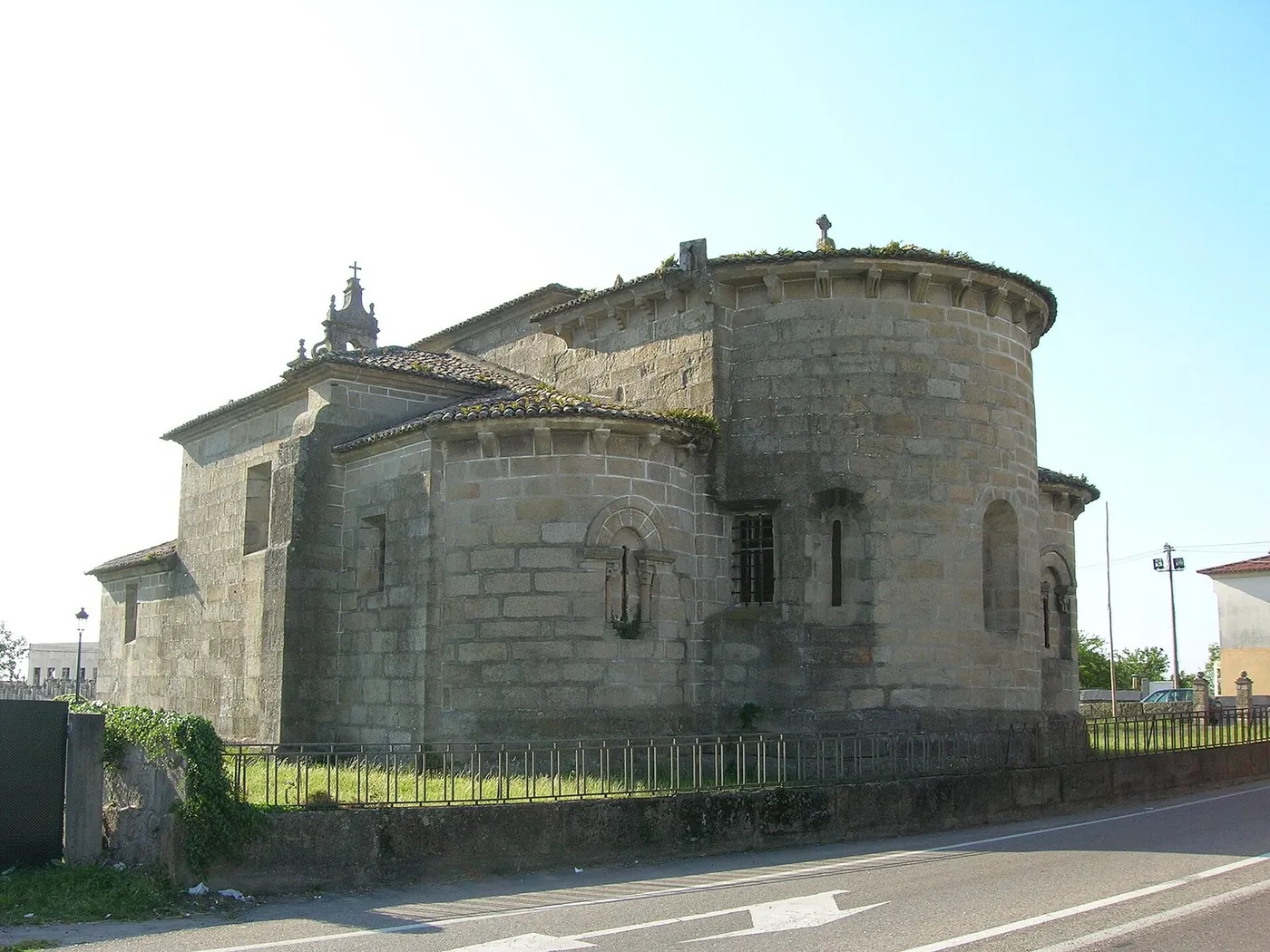
Conclusion and Recommendations for Walkers
In conclusion, Stage 7 of the Camino Portugués Coastal Way offers a unique blend of quiet charm and cultural significance. Walkers can explore the historic centers of Baiona and Vigo, visit a number of significant heritage sites and landmarks, and enjoy the local cuisine. With its range of cultural and historical attractions, this stage is a must-do for any walker looking to experience the best of the Camino Portugués Coastal Way. Walkers should be prepared for variable weather, with precipitation levels ranging from 30.6 mm in July to 228.6 mm in November. The walk from Baiona to Vigo takes walkers through a mix of urban and rural areas, with a range of cultural and historical sites to explore. For more information and guidance, walkers can use the WalkSage audio guide, which provides detailed commentary and insights into the history and culture of the area. The audio guide is a useful resource for walkers looking to get the most out of their experience on the Camino Portugués Coastal Way.
Points of interest
In walking order. Each stop is the audio chapter you'll hear in the app: the story, the Local Angle, and the sources behind both.
ZEC A Ramallosa
local spotCrowds: not yet measuredZEC A Ramallosa is a Special Area of Conservation. It was established in 2004. This area is protected due to its unique natural features.
Local Angle
Less crowded than Vigo, with a crowd_index of 0.2666, Baiona's ZEC A Ramallosa offers a peaceful experience.
Colexiata de Santa María de Baiona
churchCrowds: not yet measuredColexiata de Santa María de Baiona is a church building in Baiona. It features Gothic art and is dedicated to Mary.
Local Angle
With a lower crowd_index than Vigo, Baiona's Colexiata de Santa María is a quieter stop.
Castro de Monte Real
archaeological siteCrowds: not yet measuredCastro de Monte Real is a hillfort in Baiona. It has a heritage designation, indicating its cultural significance.
Local Angle
Baiona, being less crowded than Vigo, allows for a more serene visit to Castro de Monte Real.
Museo de Arte Contemporánea de Vigo
museumCrowds: not yet measuredMuseo de Arte Contemporánea de Vigo is a museum in Vigo. It was established in 2002 and features contemporary art.
Local Angle
Vigo's crowd_index is higher, but the museum's specific location might be less crowded.
A Casa de Correos e Telégrafos
post officeCrowds: not yet measuredA Casa de Correos e Telégrafos is a historic post office building in Vigo. It was started in 1930.
Local Angle
Given Vigo's higher crowd_index, consider visiting A Casa de Correos e Telégrafos during less busy hours.
Edificio de Estanislao Durán
buildingCrowds: not yet measuredEdificio de Estanislao Durán is a building in Vigo. It was built in 1901 and has historic and cultural significance.
Local Angle
As Vigo is more crowded, Edificio de Estanislao Durán might be overlooked, offering a quieter experience.
O Sereo
artworkCrowds: not yet measuredO Sereo is a unique sculpture in Vigo. It was created in 1991.
Local Angle
Vigo's higher crowd_index might make O Sereo easier to miss, but it's worth the visit.
Estación de Vigo-Urzáiz
local spotCrowds: not yet measuredEstación de Vigo-Urzáiz is a historic railway station in Vigo. It was established in 1878.
Local Angle
Given the crowd_index of Vigo, Estación de Vigo-Urzáiz might be busy, but its history is notable.
Teatro Afundación
theatreCrowds: not yet measuredTeatro Afundación is a theatre in Vigo. It was built in 1927 and has cultural importance.
Local Angle
Teatro Afundación, despite Vigo's crowd_index, offers a unique cultural experience.
Climate (Vigo (1991–2020 normals, nearest model grid point))
| Month | Mean temp (°C) | Precipitation (mm) |
|---|---|---|
| Jan | 9.3 | 219.7 |
| Feb | 9.6 | 148.1 |
| Mar | 11.5 | 156.1 |
| Apr | 12.8 | 154 |
| May | 15.2 | 118 |
| Jun | 18 | 59.1 |
| Jul | 20 | 35.5 |
| Aug | 20.1 | 49.3 |
| Sep | 18.4 | 88.1 |
| Oct | 15.5 | 217.9 |
| Nov | 12 | 236.3 |
| Dec | 10.1 | 223.8 |
Climate data: archive-api.open-meteo.com. Missing values are shown as "—", never estimated.
Sources
- https://www.wikidata.org/wiki/Q748867
- https://wikimedia.org/api/rest_v1/metrics/pageviews/per-article/es.wikipedia/all-access/user/Bayona_%28Espa%C3%B1a%29/monthly/20250801/20260731
- https://archive-api.open-meteo.com/v1/archive?latitude=42.119926&longitude=-8.850086&start_date=1991-01-01&end_date=2020-12-31&daily=temperature_2m_mean%2Cprecipitation_sum&timezone=UTC
- https://www.wikidata.org/wiki/Q8745
- https://wikimedia.org/api/rest_v1/metrics/pageviews/per-article/es.wikipedia/all-access/user/Vigo/monthly/20250801/20260731
- https://archive-api.open-meteo.com/v1/archive?latitude=42.235833&longitude=-8.726667&start_date=1991-01-01&end_date=2020-12-31&daily=temperature_2m_mean%2Cprecipitation_sum&timezone=UTC
- https://www.openstreetmap.org/relation/12786090