This stage from Padrón to Santiago de Compostela offers a mix of less crowded and popular sites. Padrón has a crowd index of 0.1462, while Santiago de Compostela has a crowd index of 1.0. The stage takes you through varying climates, with Padrón's average temperature ranging from 9.1°C to 20.4°C. The pageview seasonality for Padrón shows a range of 1466 to 3854 views, while Santiago de Compostela's pageview seasonality ranges from 11294 to 23816 views. The contrast between the two towns is notable, with Padrón providing a more serene atmosphere and Santiago de Compostela being a bustling hub of activity.
Camino Portugués Both Ways Stage 4: Padrón to Santiago de Compostela
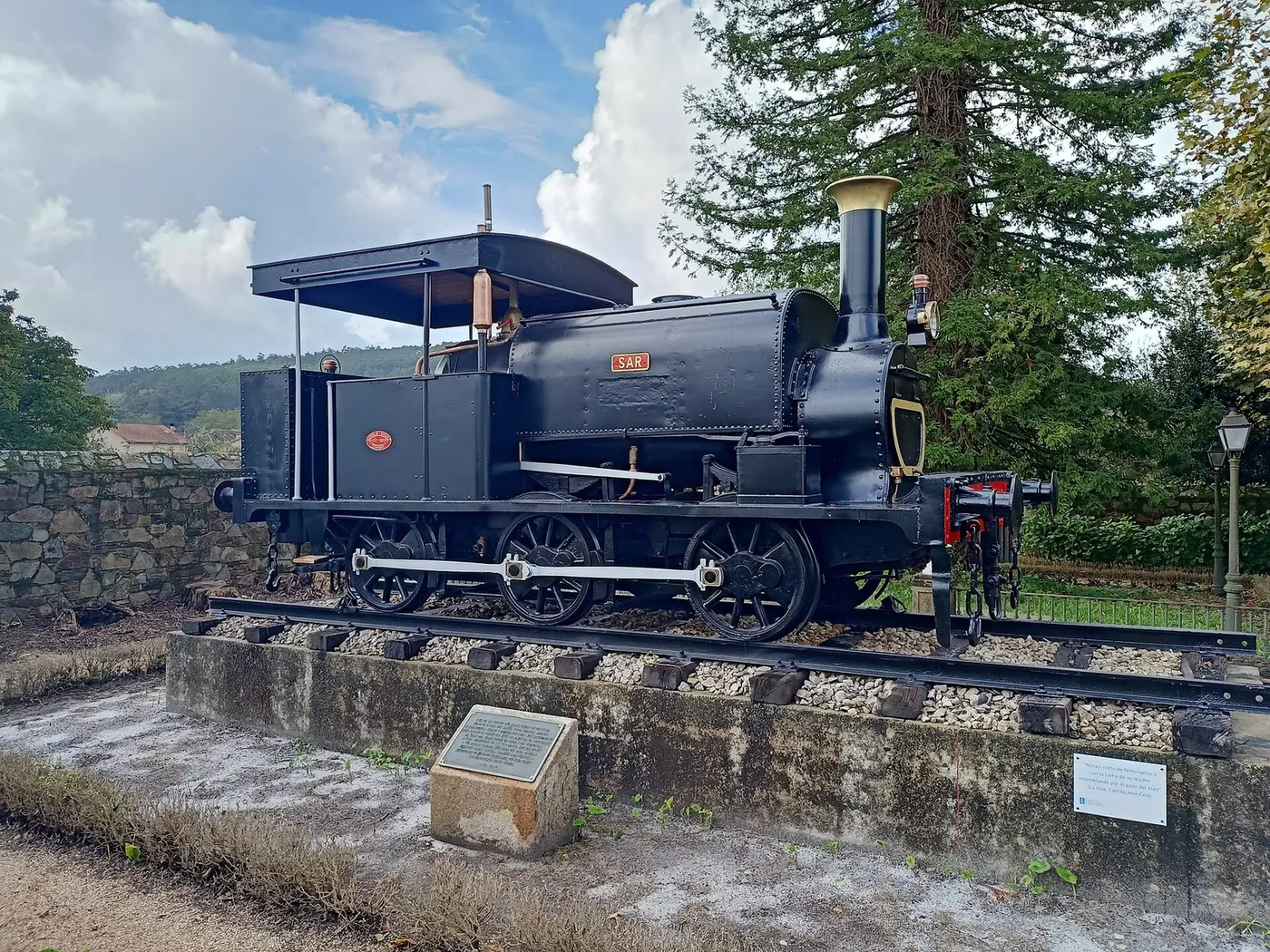
Through: Padrón · Santiago de Compostela
Introduction to Stage 4
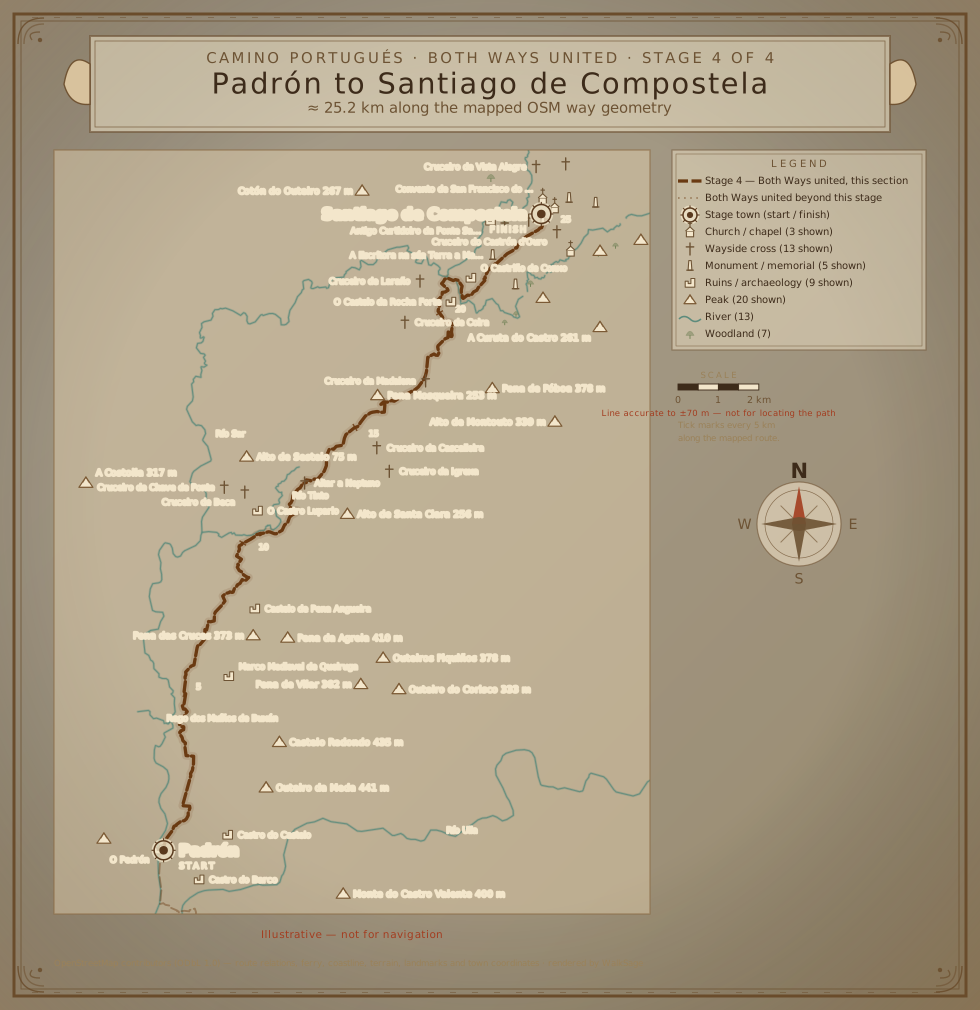
Stage 4 of the Camino Portugués Both Ways takes you from Padrón to Santiago de Compostela. This stage is unique in that it offers a chance to experience both less crowded and highly popular sites. Padrón, with its crowd index of 0.1462, provides a more serene atmosphere, while Santiago de Compostela, with a crowd index of 1.0, is a bustling hub of activity. As you walk, you'll notice the climate changing, with Padrón's average temperature ranging from 9.1°C in January to 20.4°C in August. The climate in Santiago de Compostela also varies, with average temperatures ranging from 7.3°C to 18.6°C. The walk from Padrón to Santiago de Compostela takes you through a variety of landscapes, with the rhythm of the walk dictated by the terrain and the weather. See the stage map for more information on the route. The practical rhythm of the walk is important to consider, as the terrain and weather can impact your progress. By understanding the crowd index and pageview seasonality, you can plan your visit and make the most of your experience.
Exploring Padrón's Hidden Gems
Padrón is home to several notable sites, including the ZEC Sistema Fluvial Ulla-Deza, a protected area with a unique natural setting. The Casa Museo de Rosalía de Castro is another site, showcasing the cultural heritage of the region. The Convento do Carme, with its Neoclassical architecture, is also worth visiting. These sites offer a glimpse into Padrón's rich cultural significance, and are often less crowded than those in Santiago de Compostela. The pageview seasonality for Padrón shows a range of 1466 to 3854 views, indicating a relatively low level of interest compared to Santiago de Compostela. As you explore Padrón, consider the practical rhythm of the walk, with the terrain and weather dictating the pace. The town's crowd index of 0.1462 makes it an ideal place to experience a more serene atmosphere. By taking your time to explore Padrón's hidden gems, you can gain a deeper understanding of the region's cultural heritage.
Map
The Transition to Santiago de Compostela
As you leave Padrón and make your way to Santiago de Compostela, you'll notice a significant change in atmosphere. Santiago de Compostela is a city with a rich cultural heritage, and its crowd index of 1.0 reflects its popularity. The city's average temperature ranges from 7.3°C in January to 18.6°C in August, making it a comfortable destination for walkers. The transition from Padrón to Santiago de Compostela is a gradual one, with the landscape and climate changing as you walk. The pageview seasonality for Santiago de Compostela ranges from 11294 to 23816 views, indicating a high level of interest in the city. As you walk, consider using the WalkSage audio guide to enhance your experience and provide a deeper understanding of the history and culture of the region. The city's many cultural institutions and landmarks, such as the Catedral de Santiago de Compostela, are a testament to its rich cultural heritage. By understanding the crowd index and pageview seasonality, you can plan your visit and make the most of your experience in Santiago de Compostela.
Uncovering Santiago's Heritage
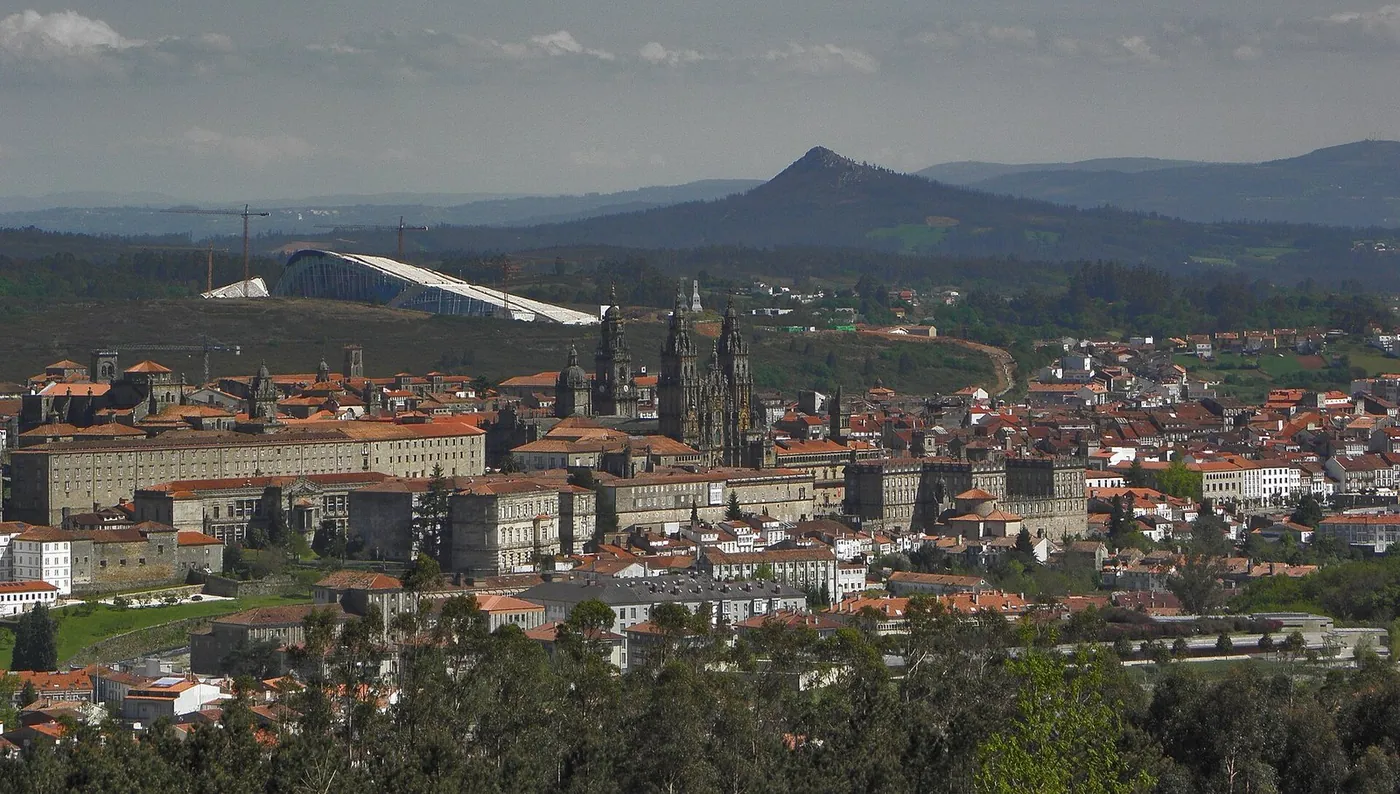
Santiago de Compostela is a city with a rich cultural heritage, and there are many sites to explore. The Catedral de Santiago de Compostela is one of the most notable landmarks in the city, and its Romanesque and baroque architecture make it a significant site. The Convento de San Francisco do Val de Deus and the Colexiata de Santa María a Real de Sar are also notable sites, showcasing the city's cultural significance. These sites offer a glimpse into Santiago de Compostela's past and its importance as a pilgrimage destination. The city's many cultural institutions, including the Museo da Catedral de Santiago and the Museo Pedagóxico de Galicia, also provide insight into the city's heritage. As you explore Santiago de Compostela, consider the crowd index and plan your visit accordingly. The city's crowd index of 1.0 means that it can be busy, but with some planning, you can navigate the crowds and make the most of your visit. By taking your time to explore the city's many landmarks and cultural institutions, you can gain a deeper understanding of Santiago de Compostela's rich cultural heritage.
Navigating the Crowds in Santiago de Compostela
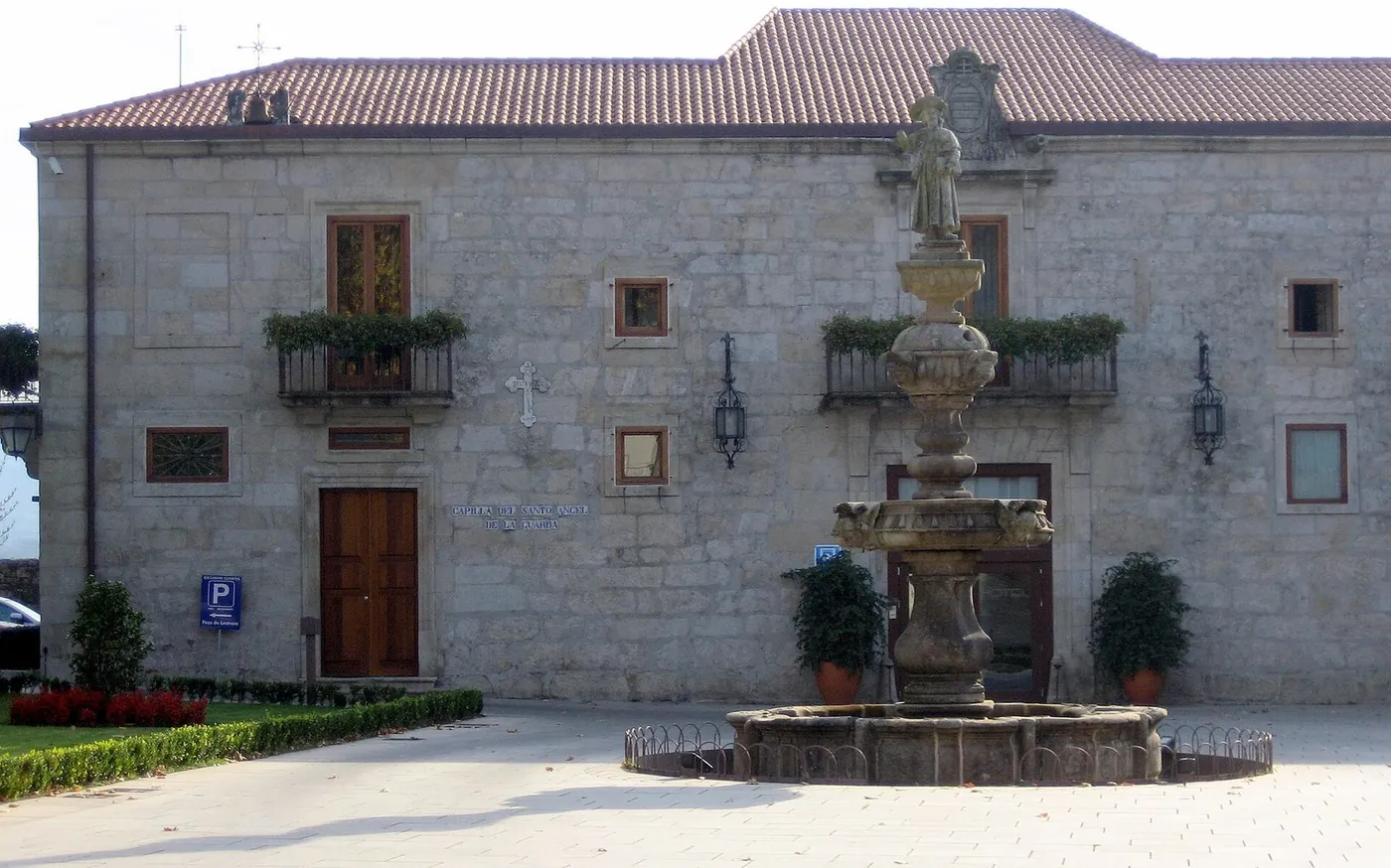
Santiago de Compostela is a popular destination, and its crowd index of 1.0 reflects this. However, with some planning, it's possible to navigate the crowds and make the most of your visit. Consider visiting popular sites early in the morning or later in the evening, when the crowds are smaller. The city's many parks and green spaces also offer a peaceful escape from the hustle and bustle of the city. By taking your time and exploring the city's lesser-known areas, you can experience the best of Santiago de Compostela without the crowds. The pageview seasonality for Santiago de Compostela shows a range of 11294 to 23816 views, indicating a high level of interest in the city. As you navigate the crowds, consider the practical rhythm of the walk and plan your day accordingly. The city's crowd index and pageview seasonality can help you plan your visit and make the most of your experience. By understanding the crowd index and pageview seasonality, you can plan your visit and make the most of your experience in Santiago de Compostela.
Conclusion: Balancing the Less Traveled Path with Iconic Destinations
Stage 4 of the Camino Portugués Both Ways offers a unique balance of less crowded and popular sites. By exploring Padrón's notable sites and navigating the crowds in Santiago de Compostela, you can experience the best of both worlds. As you walk, consider the crowd index and pageview seasonality to plan your visit. The climate and terrain also play a significant role in the walk, with the average temperatures and precipitation varying throughout the year. By understanding the rhythm of the walk and the cultural heritage of the region, you can make the most of your experience on the Camino Portugués Both Ways. The WalkSage audio guide can also provide valuable insights and information to enhance your walk. By taking your time to explore the region's cultural heritage and natural beauty, you can gain a deeper understanding of the Camino Portugués Both Ways and create lasting memories of your journey. The contrast between Padrón and Santiago de Compostela is a notable aspect of this stage, and by understanding the crowd index and pageview seasonality, you can plan your visit and make the most of your experience.
Points of interest
In walking order. Each stop is the audio chapter you'll hear in the app: the story, the Local Angle, and the sources behind both.
ZEC Sistema Fluvial Ulla-Deza
local spotCrowds: not yet measuredZEC Sistema Fluvial Ulla-Deza is a protected area, designated as such in 2004. It is an instance of a protected area and ES96 Natura 2000.
Local Angle
Less crowded than Santiago de Compostela, with a crowd index of 0.1462 for Padrón.
Casa Museo de Rosalía de Castro
museumCrowds: not yet measuredCasa Museo de Rosalía de Castro is a cultural property and historic house museum, dedicated to Rosalía de Castro. It has a heritage designation of bien de interés cultural.
Local Angle
A cultural stop in Padrón, with a crowd index of 0.1462.
Convento do Carme
monasteryCrowds: not yet measuredConvento do Carme is a convent with Neoclassical architecture, dedicated to Our Lady of Mount Carmel. It is a Roman Catholic denomination.
Local Angle
A less visited convent, given the higher crowd index of 1.0 for Santiago de Compostela.
O Pedrón
archaeological siteCrowds: not yet measuredO Pedrón is an archaeological site and votive altar, dedicated to Neptune. It is an instance of an archaeological site.
Local Angle
Off the main path, with fewer page views than the cathedral in Santiago de Compostela.
Catedral de Santiago de Compostela
churchCrowds: not yet measuredCatedral de Santiago de Compostela is a Roman Catholic cathedral, with Romanesque and baroque architecture. It is dedicated to St. James the Elder and has a heritage designation of bien de interés cultural.
Local Angle
A iconic landmark in Santiago de Compostela, with the highest crowd index of 1.0.
Climate (Santiago de Compostela (1991–2020 normals, nearest model grid point))
| Month | Mean temp (°C) | Precipitation (mm) |
|---|---|---|
| Jan | 7.3 | 143.5 |
| Feb | 7.6 | 103.7 |
| Mar | 9.5 | 108 |
| Apr | 10.9 | 117.9 |
| May | 13.4 | 92.1 |
| Jun | 16.2 | 54.5 |
| Jul | 18.2 | 31 |
| Aug | 18.6 | 45.6 |
| Sep | 16.8 | 68.3 |
| Oct | 13.7 | 143.9 |
| Nov | 10 | 156.1 |
| Dec | 8 | 146.5 |
Climate data: archive-api.open-meteo.com. Missing values are shown as "—", never estimated.
Sources
- https://www.wikidata.org/wiki/Q500494
- https://wikimedia.org/api/rest_v1/metrics/pageviews/per-article/es.wikipedia/all-access/user/Padr%C3%B3n_%28La_Coru%C3%B1a%29/monthly/20250801/20260731
- https://archive-api.open-meteo.com/v1/archive?latitude=42.739023&longitude=-8.66025&start_date=1991-01-01&end_date=2020-12-31&daily=temperature_2m_mean%2Cprecipitation_sum&timezone=UTC
- https://www.wikidata.org/wiki/Q14314
- https://wikimedia.org/api/rest_v1/metrics/pageviews/per-article/es.wikipedia/all-access/user/Santiago_de_Compostela/monthly/20250801/20260731
- https://archive-api.open-meteo.com/v1/archive?latitude=42.883333&longitude=-8.533333&start_date=1991-01-01&end_date=2020-12-31&daily=temperature_2m_mean%2Cprecipitation_sum&timezone=UTC
- https://www.openstreetmap.org/relation/12786090