Astorga's crowd index of 0.4671 indicates a city with quiet gems to discover. With a mean temperature of 3.5 degrees in January, pilgrims can explore the city's archaeological sites and historic places of worship. The city's Roman heritage is also worth uncovering. The monthly average pageviews of 7373.8 suggest that the city's popularity varies throughout the year, with the highest views in August and the lowest in February.
Astorga Beyond the Crowds: Exploring the City's Lesser-Visited Sites
Through: Astorga
Introduction to Astorga's Hidden Gems
Astorga's crowd index of 0.4671 suggests that pilgrims can still find quiet gems beyond the most popular sites. The city's population of 10305 inhabitants contributes to a lively atmosphere, but there are still plenty of opportunities to escape the crowds. With a mean temperature of 12.7 degrees in May, the city is pleasant to explore during the spring months. By venturing off the beaten path, pilgrims can discover a more authentic side of Astorga. The pageview seasonality data shows that the city's popularity peaks in August, making it a good idea to plan your visit during the less busy months. As you walk through the city, you can explore the various archaeological sites, historic places of worship, and Roman heritage that Astorga has to offer.
Exploring the City's Archaeological Sites
Astorga is home to several archaeological sites, including the Termas menores, Aedes Augusti, and Domus del Mosaico del Oso y los Pájaros. These sites provide a glimpse into the city's past and are a great way to learn about its history. The city's archaeological sites are often less crowded than other attractions, making them a great option for pilgrims looking to avoid the masses. With a crowd index of 0.4671, Astorga's archaeological sites are a great place to start exploring the city's hidden gems. The OSM tags indicate that these sites are of historical significance, and by exploring them, pilgrims can gain a deeper understanding of the city's cultural and historical significance. As you explore these sites, you can take your time and enjoy the peaceful atmosphere that they offer.
Discovering Astorga's Historic Places of Worship
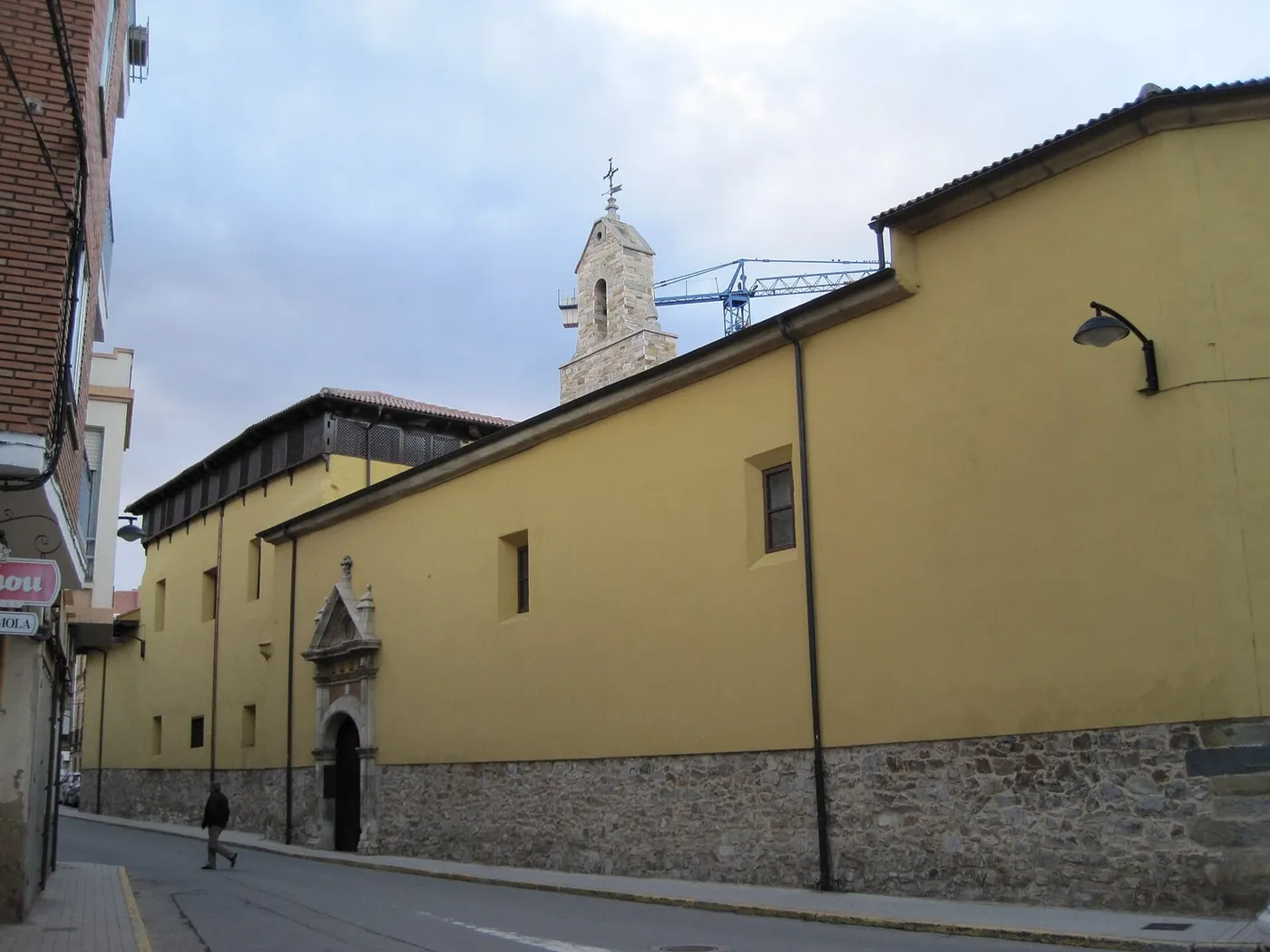
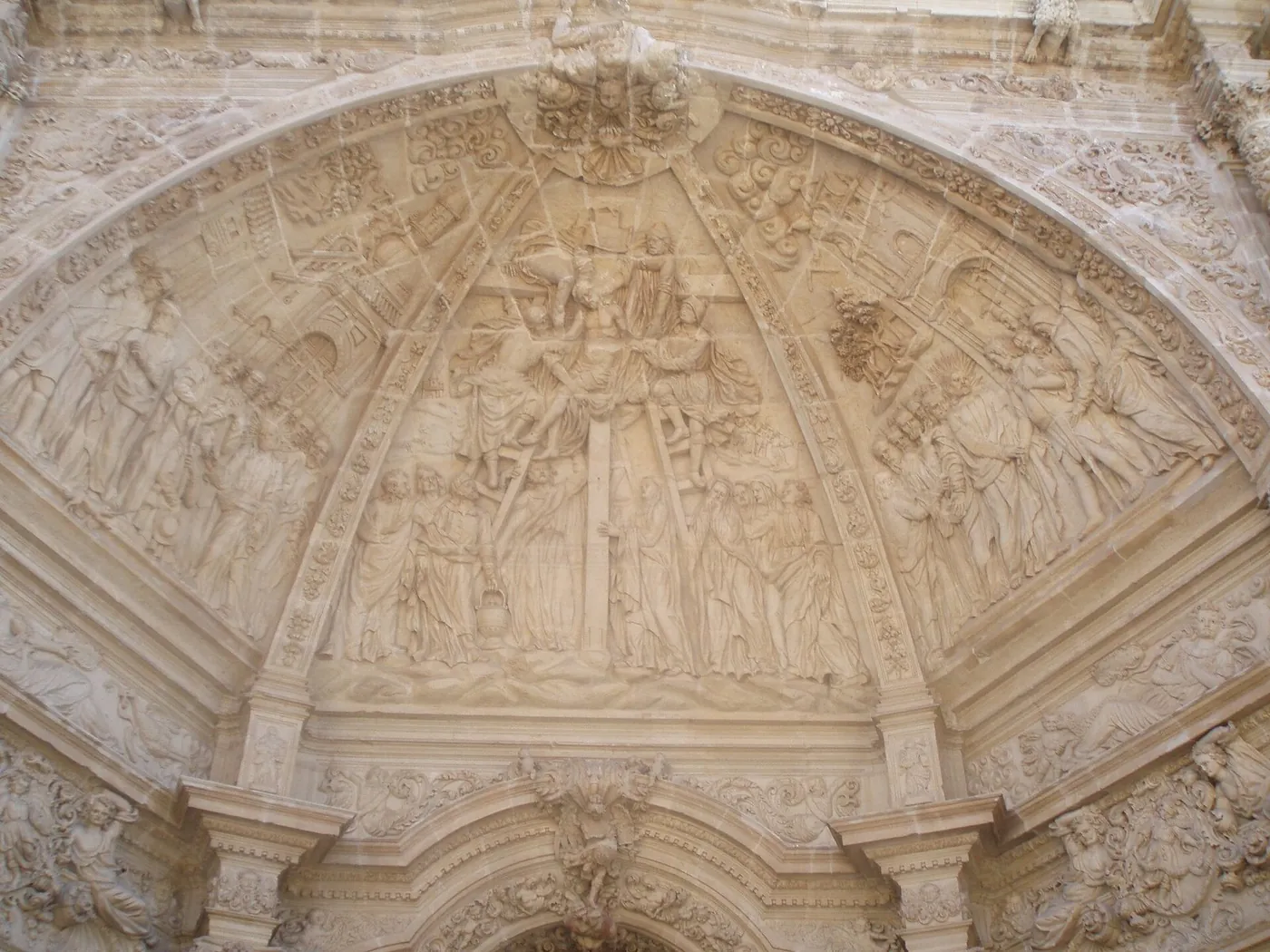
Astorga is home to several historic places of worship, including the Convento de Sancti Spiritus, Catedral de Astorga, and Ermita del Ecce Homo. These sites are not only important for their religious significance but also for their architectural and historical value. The Convento de Sancti Spiritus, for example, is a place of worship with historic church tags, making it a unique and interesting site to visit. The Catedral de Astorga is a cathedral with a rich history, and the Ermita del Ecce Homo is a small hermitage with a peaceful atmosphere. By exploring these sites, pilgrims can gain a deeper understanding of the city's spiritual heritage and learn about its history and culture. The OSM tags provide information about the amenities and features of these sites, making it easier for pilgrims to plan their visit.
Uncovering the City's Roman Heritage
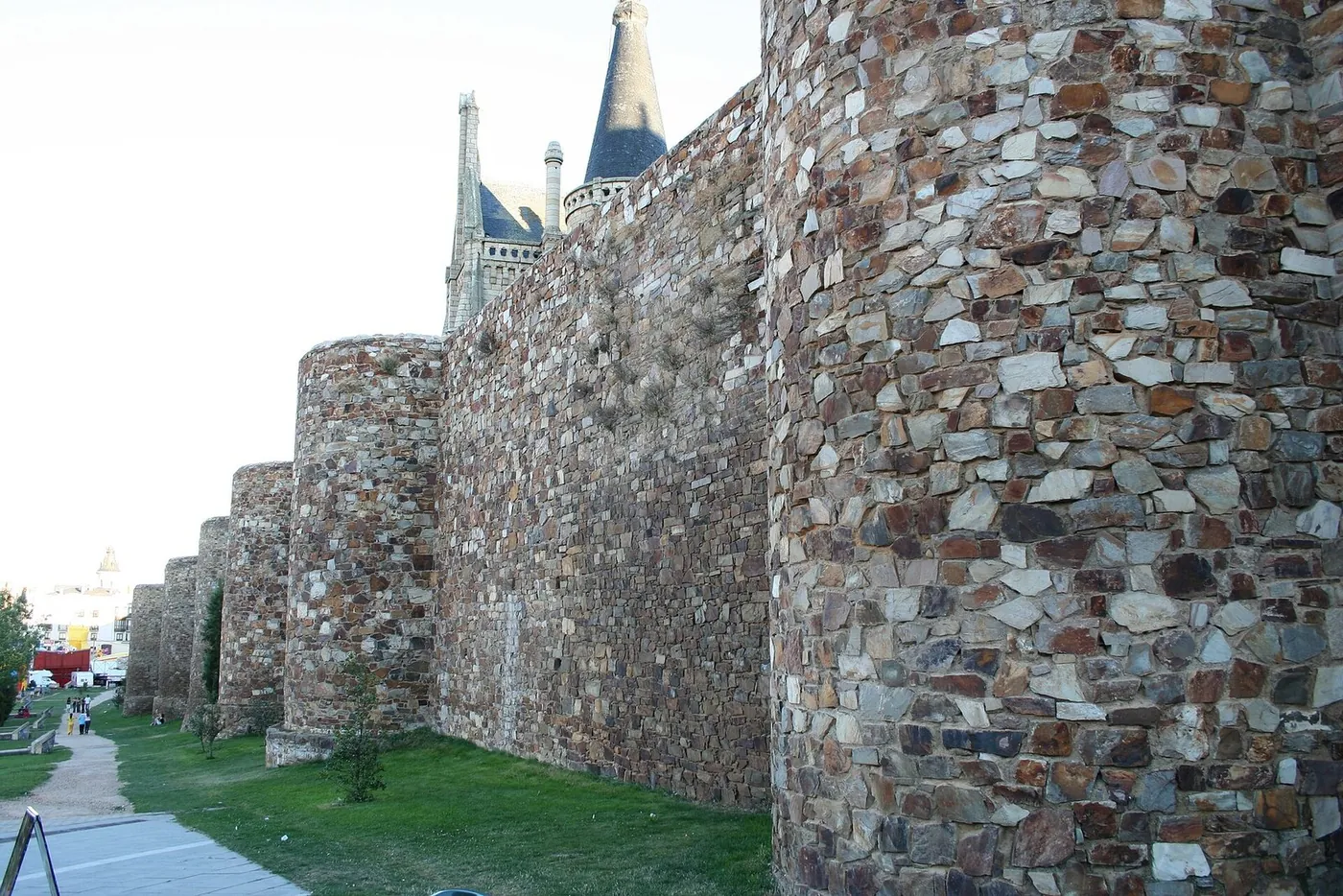
Astorga's Roman heritage is evident in its architecture, infrastructure, and archaeological sites. The city's Roman roots can be seen in the Muralla de Astorga, a historic city wall that once surrounded the city. The Aedes Augusti, an archaeological site dedicated to the emperor Augusto, is another example of the city's Roman past. The city's climate, with a mean temperature of 19.8 degrees in August, makes it an ideal place to explore the outdoors and learn about its history. By exploring these sites, pilgrims can learn about the city's history and gain a deeper appreciation for its cultural significance. The OSM tags provide information about the historic significance of these sites, making it easier for pilgrims to understand the context and importance of the city's Roman heritage.
Wandering Through Astorga's Historic City Walls and Palaces
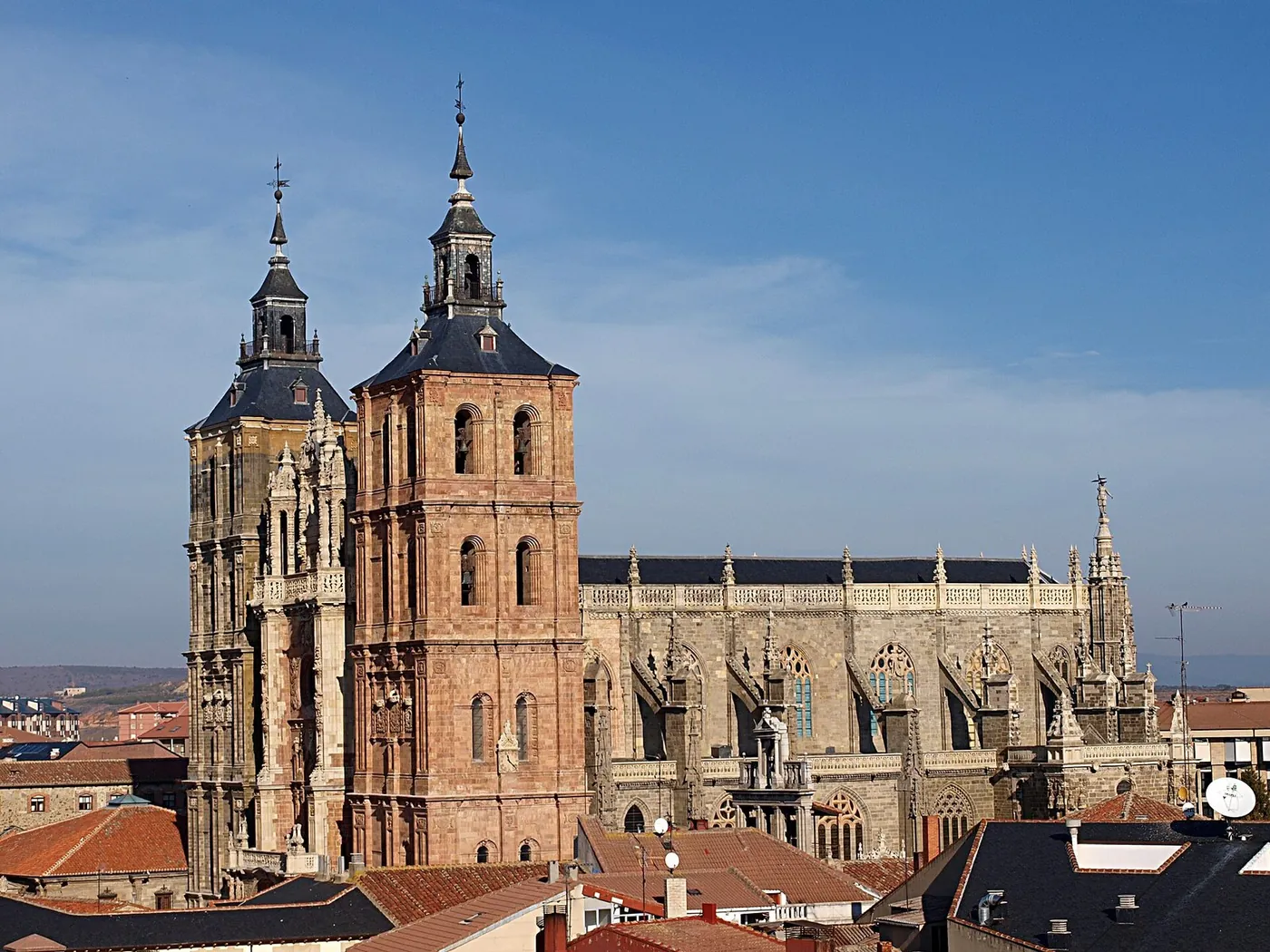
Astorga's historic city walls and palaces are a great way to experience the city's history and architecture. The Palacio Episcopal de Astorga, for example, is a palace with a mix of historic and architectural significance. The Muralla de Astorga, a historic city wall, provides a glimpse into the city's past and offers a unique perspective on its history. The Paseo de la Muralla is a great place to walk and enjoy the city's historic architecture. By wandering through these sites, pilgrims can gain a deeper understanding of the city's cultural and historical significance. The OSM tags provide information about the features and amenities of these sites, making it easier for pilgrims to plan their visit and explore the city's hidden gems.
Experiencing the Peaceful Atmosphere of Astorga's Lesser-Known Sites
Astorga's lesser-known sites, such as the Ermita del Ecce Homo and the Fuente Encalada de Santa Clara, offer a peaceful atmosphere and a chance to escape the crowds. The Ermita del Ecce Homo, a small hermitage with a peaceful atmosphere, is a great place to relax and reflect. The Fuente Encalada de Santa Clara, a historic fountain with a distinctive name, is another example of the city's hidden gems. By visiting these sites, pilgrims can experience the city's peaceful side and gain a deeper appreciation for its cultural heritage. The OSM tags provide information about the features and amenities of these sites, making it easier for pilgrims to plan their visit and explore the city's lesser-known sites. As you walk through the city, you can take your time and enjoy the peaceful atmosphere that these sites offer.
Conclusion: Finding Solace in Astorga's Quiet Corners
Astorga's quiet gems are waiting to be discovered by pilgrims looking to escape the crowds. By exploring the city's archaeological sites, historic places of worship, and Roman heritage, pilgrims can gain a deeper understanding of the city's cultural and historical significance. As you wander through the city's historic city walls and palaces, be sure to take your time and enjoy the peaceful atmosphere that they offer. The WalkSage audio guide can provide a more immersive experience and help you discover even more of Astorga's hidden gems. By venturing off the beaten path, pilgrims can discover a more authentic side of Astorga and experience the city's peaceful atmosphere. The city's crowd index of 0.4671 and pageview seasonality data suggest that the city's popularity varies throughout the year, making it a good idea to plan your visit during the less busy months.
Points of interest
In walking order. Each stop is the audio chapter you'll hear in the app: the story, the Local Angle, and the sources behind both.
Convento de Sancti Spiritus
churchCrowds: not yet measuredConvento de Sancti Spiritus is a place of worship with historic church tags. It is a catholic church. The building has christian religion tags.
Local Angle
Less visited than the cathedral, with a crowd_index of 0.4671.
Termas menores
archaeological siteCrowds: not yet measuredTermas menores is an archaeological site. It has historic tags.
Local Angle
Off the main path, with lower pageviews.
42.45394, -6.05559Sources: openstreetmap.org
Domus del Mosaico del Oso y los Pájaros
archaeological siteCrowds: not yet measuredDomus del Mosaico del Oso y los Pájaros is a building with a description of a vivienda. It has historic and archaeological site tags.
Local Angle
A quieter spot, with a unique mosaico.
42.45344, -6.05160Sources: openstreetmap.org
Fuente Encalada de Santa Clara
fountainCrowds: not yet measuredFuente Encalada de Santa Clara is a fountain. It has amenity tags.
Local Angle
A peaceful stop, with a distinctive name.
42.44954, -6.06431Sources: openstreetmap.org
Aedes Augusti
archaeological siteCrowds: not yet measuredAedes Augusti is an archaeological site. It has a description of a templo and historic tags.
Local Angle
Less crowded, with a rich history.
42.45379, -6.05354Sources: openstreetmap.org
Muralla de Astorga
citywallsCrowds: not yet measuredMuralla de Astorga is a city wall with historic tags. It has wikidata and wikipedia tags.
Local Angle
A historic wall, with a lower crowd_index.
Ermita Ecce Homo
churchCrowds: not yet measuredErmita Ecce Homo is a place of worship with historic church tags. It has amenity and denomination tags.
Local Angle
A small hermitage, with a peaceful atmosphere.
42.45915, -6.08117Sources: openstreetmap.org
Catedral de Astorga
churchCrowds: not yet measuredCatedral de Astorga is a cathedral and place of worship. It has historic and church tags.
Local Angle
A beautiful cathedral, with a higher crowd_index.
Palacio Episcopal de Astorga
castleCrowds: not yet measuredPalacio Episcopal de Astorga is a palace with historic and castle tags. It has a start_date tag.
Local Angle
A historic palace, with a mix of tags.
Climate (Astorga (1991–2020 normals, nearest model grid point))
| Month | Mean temp (°C) | Precipitation (mm) |
|---|---|---|
| Jan | 3.5 | 58.2 |
| Feb | 4.3 | 40.1 |
| Mar | 7 | 50.2 |
| Apr | 9 | 54.8 |
| May | 12.7 | 52 |
| Jun | 17.1 | 31.8 |
| Jul | 19.9 | 18.6 |
| Aug | 19.8 | 22.7 |
| Sep | 16.4 | 29.9 |
| Oct | 11.7 | 71.2 |
| Nov | 6.8 | 60.1 |
| Dec | 4.4 | 65.3 |
Climate data: archive-api.open-meteo.com. Missing values are shown as "—", never estimated.
Sources
- https://www.wikidata.org/wiki/Q465078
- https://wikimedia.org/api/rest_v1/metrics/pageviews/per-article/es.wikipedia/all-access/user/Astorga/monthly/20250801/20260731
- https://archive-api.open-meteo.com/v1/archive?latitude=42.4575&longitude=-6.056944&start_date=1991-01-01&end_date=2020-12-31&daily=temperature_2m_mean%2Cprecipitation_sum&timezone=UTC