Explorers can escape crowds by sleeping in quiet villages like O Pedrouzo, with a crowd index of 0.0031, significantly lower than Santiago de Compostela's 1.0. This strategy offers a more peaceful experience. Quiet villages have unique characteristics and attractions.
Sleeping Off-Stage on the Camino Francés: The Quiet Village Strategy
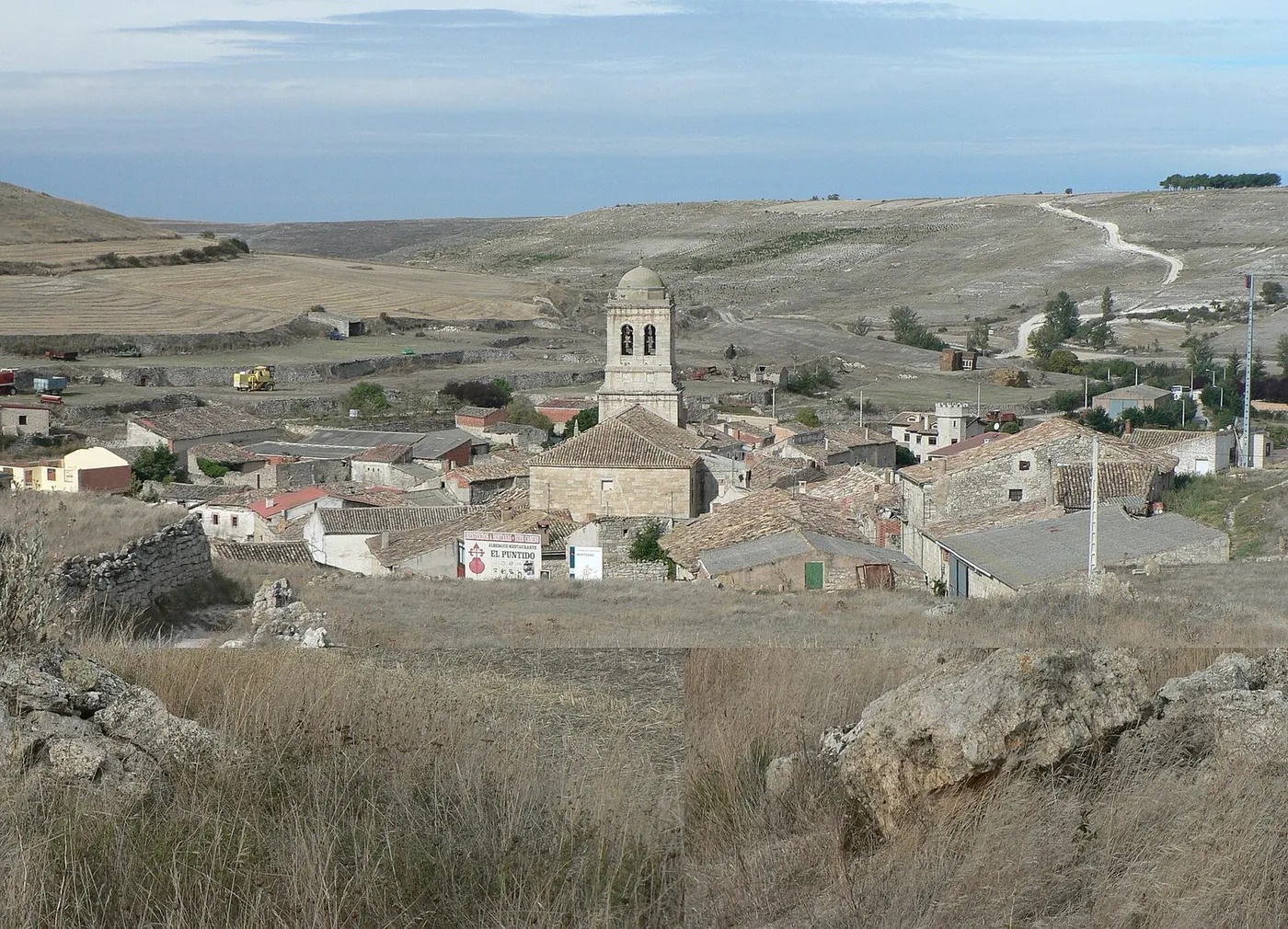
Through: Hontanas · Agés · Terradillos de los Templarios · El Burgo Ranero · San Martín del Camino · Rabanal del Camino
Introduction to the Quiet Village Strategy
The Camino Francés is a popular pilgrimage route, but crowds can be overwhelming. Explorers can escape this by sleeping in quiet villages, which offer a more peaceful experience. O Pedrouzo, with a crowd index of 0.0031, is an example of such a village. Its low crowd index and unique characteristics make it an attractive alternative to more popular stops like Santiago de Compostela, which has a crowd index of 1.0. By choosing quiet villages, explorers can immerse themselves in local culture and enjoy a more serene journey. The pageview seasonality of these villages can also help explorers plan their itinerary, with O Pedrouzo having a relatively low monthly average page view. The climate of these villages is also a factor to consider, with Hontanas having a mean temperature of 3.3°C in January.
Understanding Crowd Index and Its Impact
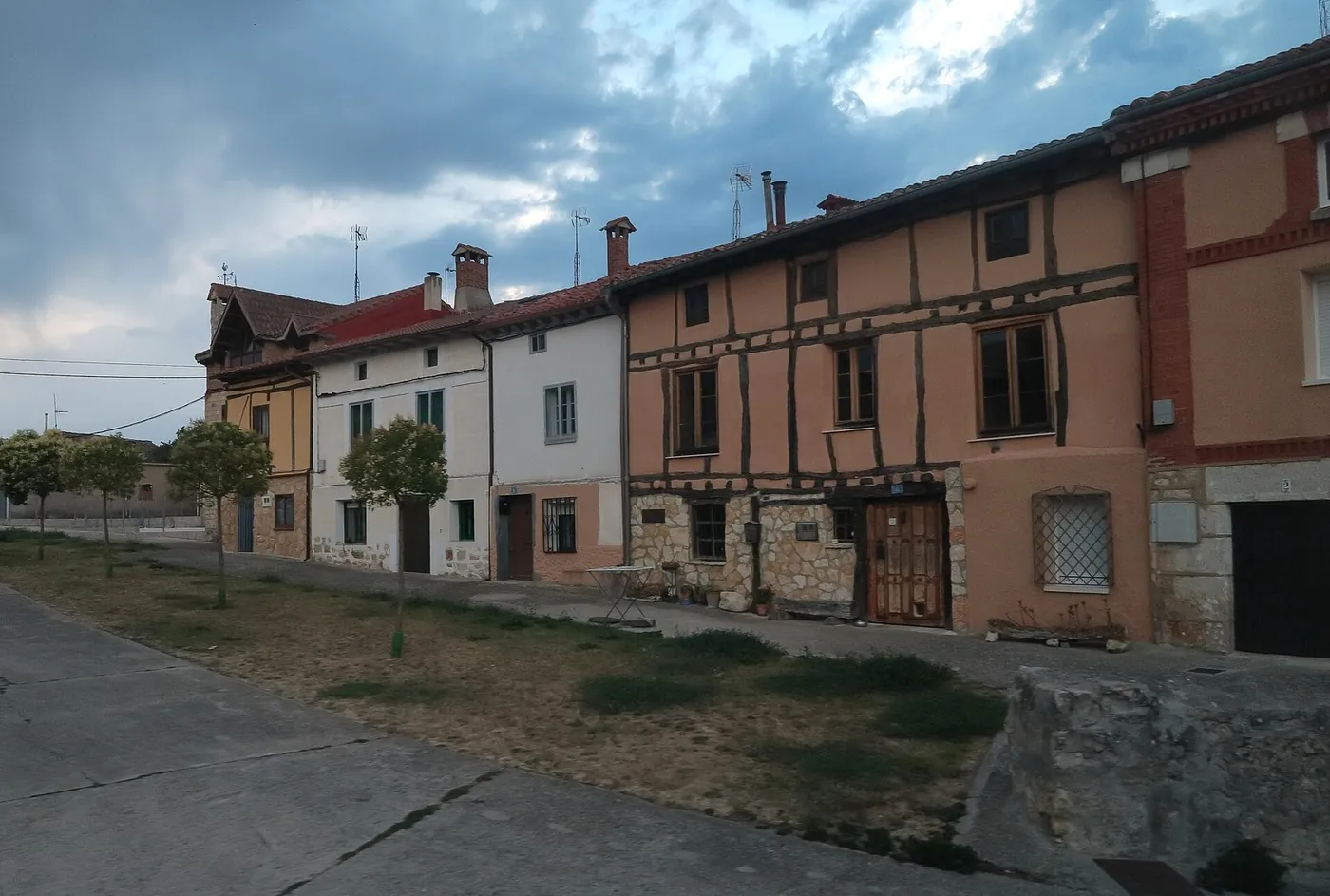
The crowd index is a measure of a town's popularity, calculated by its monthly average page views. A lower crowd index indicates fewer visitors, making a town a more peaceful stop. For instance, Hontanas has a crowd index of 0.0103, while Agés has a crowd index of 0.0126. Understanding the crowd index helps explorers make informed decisions about their itinerary and choose quieter villages. The climate also plays a role, with towns like Hontanas having a mean temperature of 3.3°C in January, making it a cooler stop during the winter months. The OSM tags for Hontanas reveal the presence of a fuente, or drinking water source, which can be a useful resource for explorers. By considering the crowd index and climate, explorers can plan a more enjoyable and peaceful journey.
Identifying Low-Crowd Villages on the Camino Francés
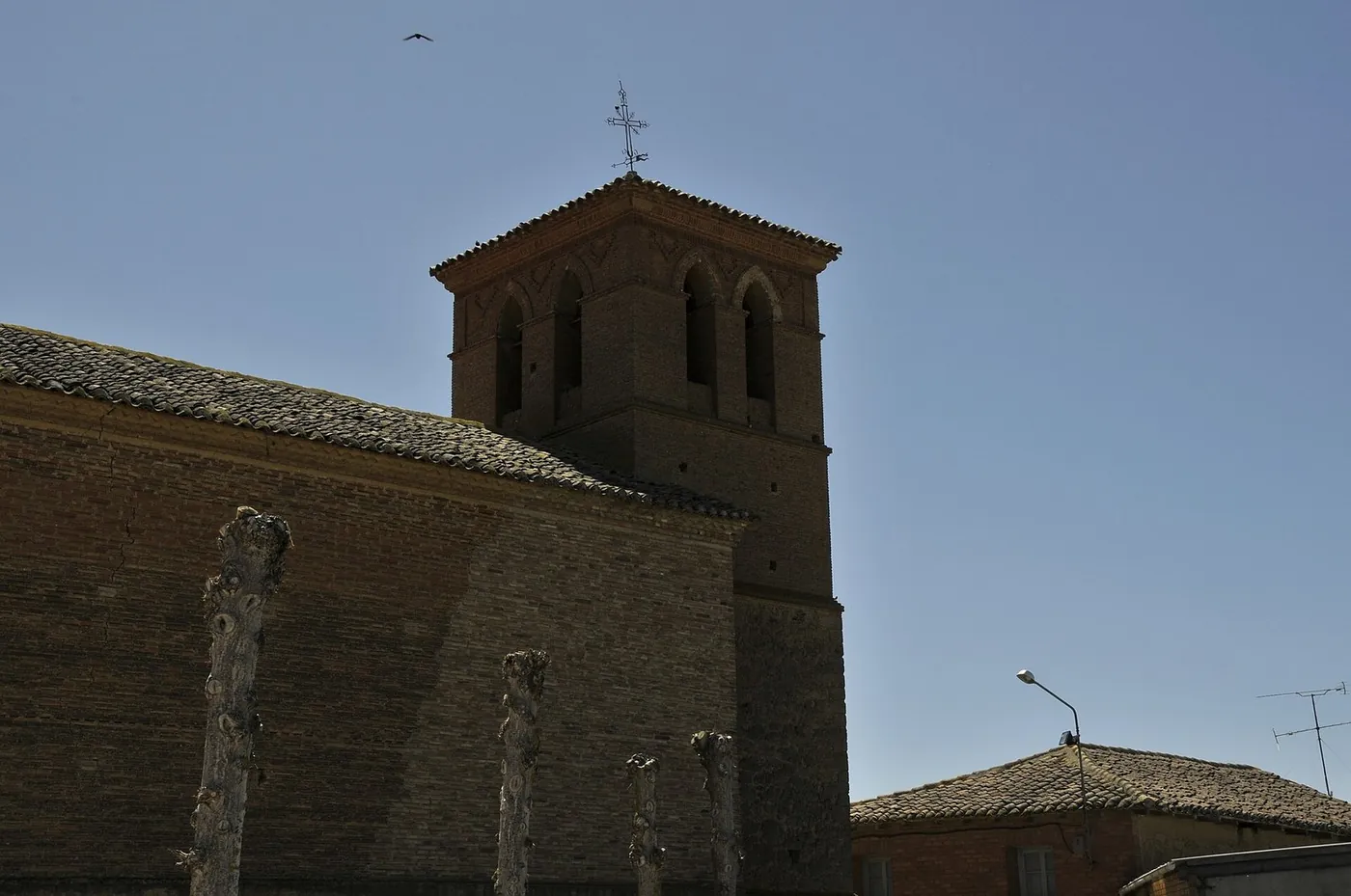
Several villages along the Camino Francés have low crowd indices, making them ideal for explorers seeking a more peaceful experience. Terradillos de los Templarios, with a crowd index of 0.0167, and San Martín del Camino, with a crowd index of 0.0107, are examples of such villages. These towns offer a unique opportunity to experience local culture without the crowds. By researching and identifying these villages, explorers can plan their itinerary accordingly and enjoy a more serene journey. The monthly average page views of these towns are also relatively low, indicating fewer visitors. The OSM tags for Terradillos de los Templarios reveal the presence of a drinking water source, which can be a useful resource for explorers. By choosing these villages, explorers can create a more peaceful and enjoyable experience.
Heritage Sites and Unusual POIs Off the Beaten Path
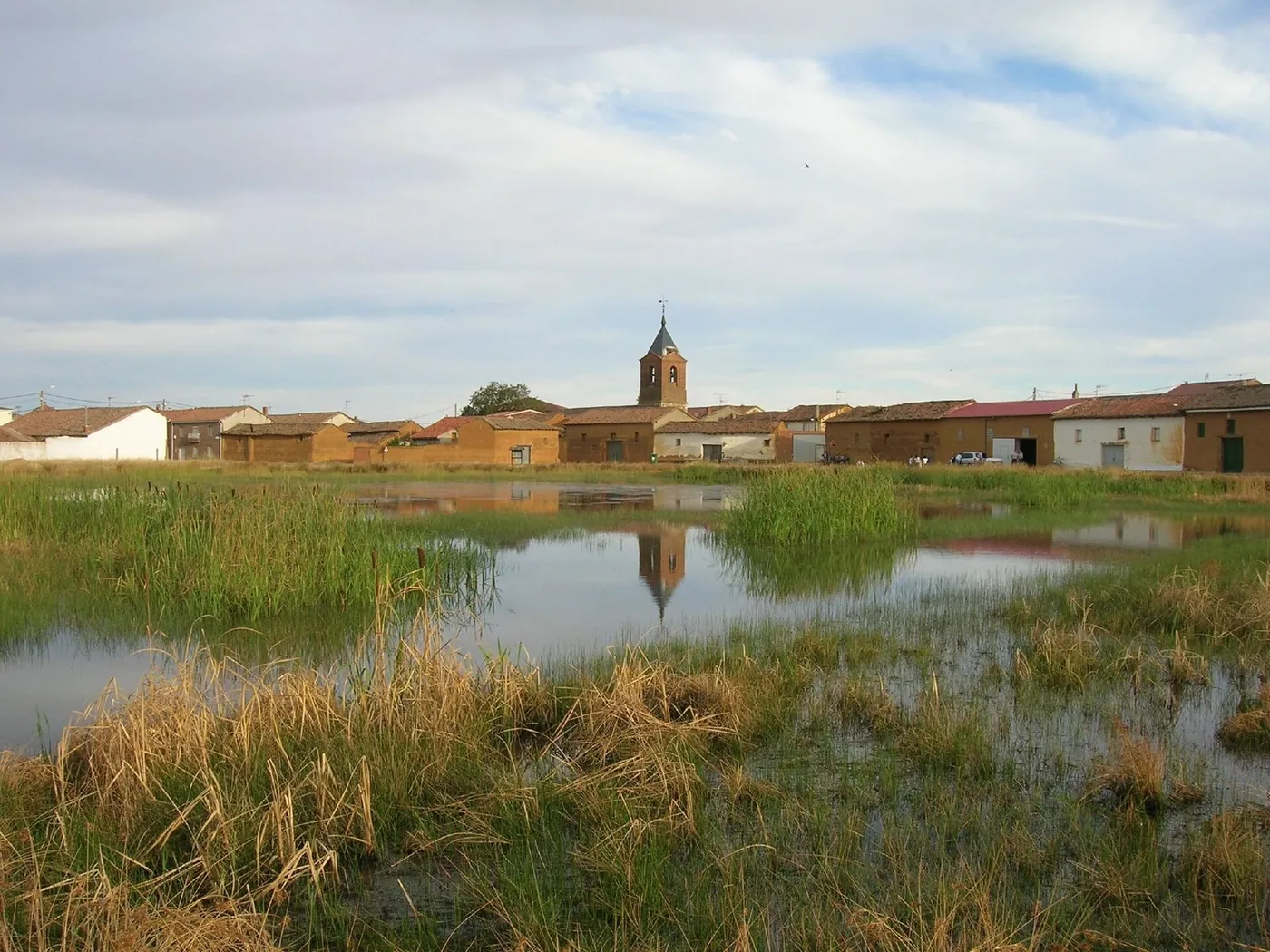
Quiet villages often have unique heritage sites and points of interest that are off the beaten path. For example, the Fuente de los Pisones in Hontanas is a natural spring, while the Parque Arqueológico de Atapuerca in Agés is an archaeological site. These sites offer a glimpse into the region's culture and environment, making them a valuable addition to any explorer's itinerary. The Iglesia de San Martin in San Martín del Camino is another example of a historic church that is worth visiting. By visiting these sites, explorers can gain a deeper understanding of the local culture and environment. The OSM tags for these sites provide useful information about their characteristics and features. By exploring these heritage sites and POIs, explorers can create a more immersive and enjoyable experience.
Logistics of Sleeping Off-Stage
Sleeping in quiet villages requires some planning, as services and accommodations may be limited. However, this can also be an opportunity to experience local hospitality and immerse oneself in the community. Explorers should research their options in advance and book accommodations accordingly. The climate of the region should also be taken into account, with towns like Rabanal del Camino having a mean temperature of 2.5°C in January. By being prepared and flexible, explorers can enjoy a peaceful and memorable experience in these quiet villages. The practical rhythm of the walk should also be considered, with explorers needing to plan their daily itinerary and accommodations in advance. By doing so, they can create a more enjoyable and peaceful experience.
Case Studies of Successful Quiet Village Stays
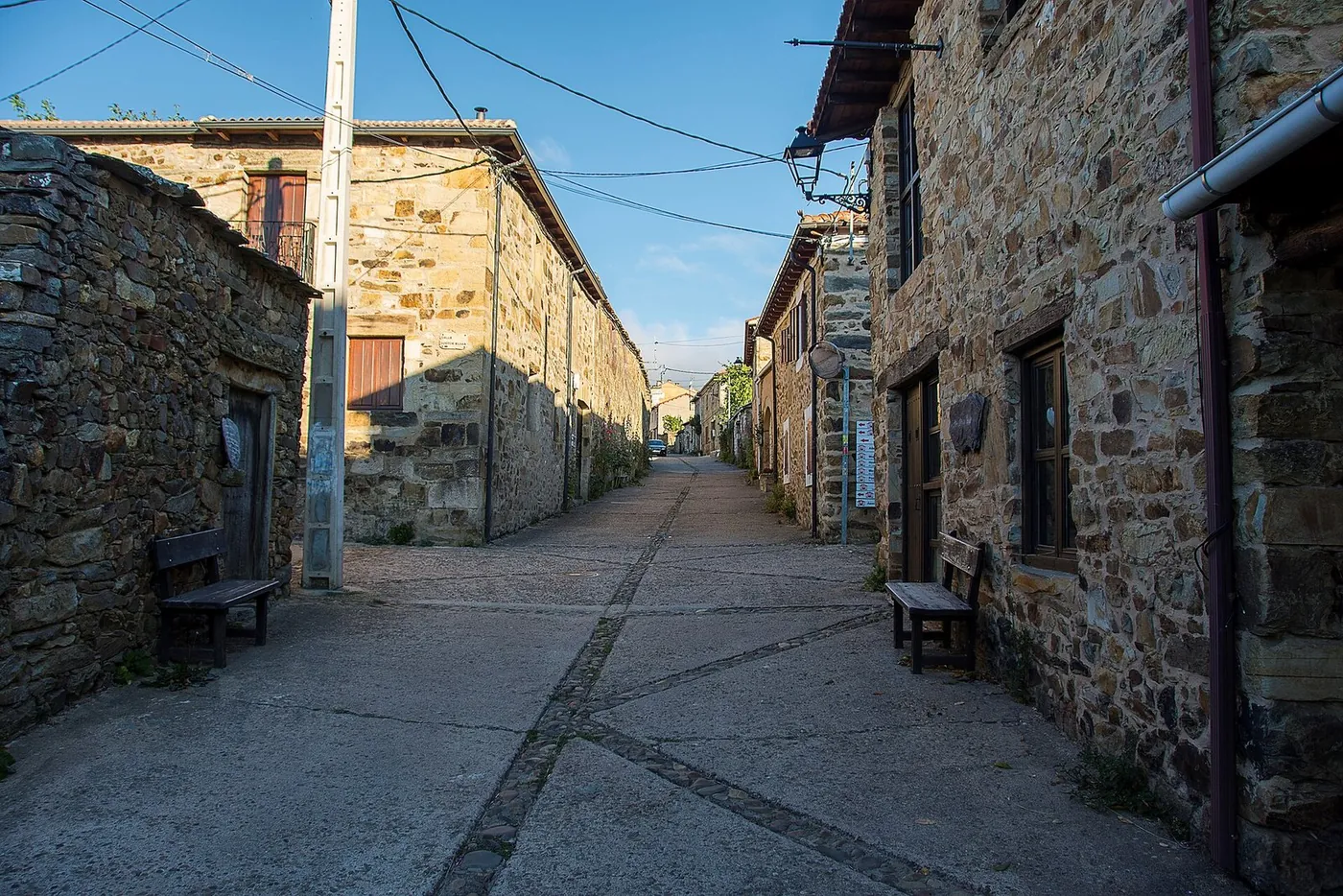
Many explorers have successfully stayed in quiet villages along the Camino Francés, enjoying a more peaceful and immersive experience. For example, staying in O Pedrouzo or Hontanas can provide a unique opportunity to experience local culture and environment. These villages offer a range of accommodations and services, from simple guesthouses to historic hotels. By choosing to stay in these villages, explorers can create lasting memories and enjoy a more serene journey. The crowd index and monthly average page views of these towns are relatively low, indicating fewer visitors and a more peaceful experience. The OSM tags for these villages reveal the presence of useful resources, such as drinking water sources and historic churches. By staying in these quiet villages, explorers can immerse themselves in local culture and environment.
Conclusion and Recommendations for Explorers
In conclusion, sleeping in quiet villages is a great way to experience the Camino Francés without the crowds. By researching and identifying low-crowd villages, explorers can plan their itinerary accordingly and enjoy a more peaceful journey. The WalkSage audio guide can provide valuable insights and information about these villages, helping explorers make the most of their experience. With its detailed descriptions and insider tips, WalkSage is the perfect companion for any explorer looking to discover the quiet villages of the Camino Francés. By considering the crowd index, climate, and practical rhythm of the walk, explorers can create a more enjoyable and peaceful experience. The OSM tags and pageview seasonality can also provide useful information for planning a successful and peaceful journey.
The data: every route town, ranked by crowds
Our crowd index is the town's average monthly Wikipedia pageviews over the last 12 months, normalized to the most-viewed town on the route. It is a proxy for attention, not a turnstile count — but it is measured, reproducible, and the same yardstick for every town.
| Rank | Town | Crowd index (1.00 = most viewed) |
|---|---|---|
| 1 | Santiago de Compostela | 1.0 |
| 2 | Pamplona | 0.9276 |
| 3 | Burgos | 0.9097 |
| 4 | León | 0.8235 |
| 5 | Ponferrada | 0.6693 |
| 6 | Logroño | 0.6196 |
| 7 | Astorga | 0.4671 |
| 8 | Santo Domingo de la Calzada | 0.4065 |
| 9 | Estella | 0.3054 |
| 10 | Carrión de los Condes | 0.2714 |
| 11 | Nájera | 0.2464 |
| 12 | Sarria | 0.2297 |
| 13 | Frómista | 0.1927 |
| 14 | Saint-Jean-Pied-de-Port | 0.1758 |
| 15 | Roncesvalles | 0.1644 |
| 16 | Villafranca del Bierzo | 0.1517 |
| 17 | Puente la Reina | 0.1423 |
| 18 | Belorado | 0.1262 |
| 19 | Castrojeriz | 0.1241 |
| 20 | Arzúa | 0.0888 |
| 21 | Palas de Rei | 0.085 |
| 22 | Portomarín | 0.0734 |
| 23 | Mansilla de las Mulas | 0.0707 |
| 24 | O Cebreiro | 0.0594 |
| 25 | Los Arcos | 0.049 |
| 26 | Zubiri | 0.0348 |
| 27 | Triacastela | 0.0287 |
| 28 | El Burgo Ranero | 0.0263 |
| 29 | Rabanal del Camino | 0.018 |
| 30 | Terradillos de los Templarios | 0.0167 |
| 31 | Agés | 0.0126 |
| 32 | San Martín del Camino | 0.0107 |
| 33 | Hontanas | 0.0103 |
| 34 | O Pedrouzo | 0.0031 |
Points of interest
In walking order. Each stop is the audio chapter you'll hear in the app: the story, the Local Angle, and the sources behind both.
Fuente de los Pisones
springCrowds: not yet measuredFuente de los Pisones is a natural spring in Hontanas.
Local Angle
This is a quiet village, less visited by crowds.
42.32106, -4.04119Sources: openstreetmap.org
Batalla de Atapuerca
battlefieldCrowds: not yet measuredParque Arqueológico de Atapuerca is an archaeological site in Agés.
Local Angle
It's a less crowded area, ideal for quiet explorers.
Iglesia de San Martin
churchCrowds: not yet measuredIglesia de San Martin is a historic church in San Martín del Camino.
Local Angle
It's a quiet village, perfect for those looking for less crowded areas.
42.49534, -5.81095Sources: openstreetmap.org
Iglesia de la Asunción de Nuestra Señora
churchCrowds: not yet measuredIglesia de la Asunción de Nuestra Señora is a Roman Catholic church in Rabanal del Camino.
Local Angle
This village is less visited by tourists, making it a quiet option.
Puente de la Viñuela
monumentCrowds: not yet measuredPuente de la Viñuela is a historic monument in Agés.
Local Angle
It's a quiet area, less visited by crowds, making it a good choice for quiet explorers.
42.35658, -3.46364Sources: openstreetmap.org
Sources
- https://www.wikidata.org/wiki/Q959026
- https://wikimedia.org/api/rest_v1/metrics/pageviews/per-article/es.wikipedia/all-access/user/Hontanas/monthly/20250801/20260731
- https://archive-api.open-meteo.com/v1/archive?latitude=42.312778&longitude=-4.045833&start_date=1991-01-01&end_date=2020-12-31&daily=temperature_2m_mean%2Cprecipitation_sum&timezone=UTC
- https://www.wikidata.org/wiki/Q399630
- https://wikimedia.org/api/rest_v1/metrics/pageviews/per-article/es.wikipedia/all-access/user/Ag%C3%A9s/monthly/20250801/20260731
- https://archive-api.open-meteo.com/v1/archive?latitude=42.369722&longitude=-3.479444&start_date=1991-01-01&end_date=2020-12-31&daily=temperature_2m_mean%2Cprecipitation_sum&timezone=UTC
- https://www.wikidata.org/wiki/Q612880
- https://wikimedia.org/api/rest_v1/metrics/pageviews/per-article/es.wikipedia/all-access/user/Terradillos_de_los_Templarios/monthly/20250801/20260731
- https://archive-api.open-meteo.com/v1/archive?latitude=42.362778&longitude=-4.890278&start_date=1991-01-01&end_date=2020-12-31&daily=temperature_2m_mean%2Cprecipitation_sum&timezone=UTC
- https://www.wikidata.org/wiki/Q26585
- https://wikimedia.org/api/rest_v1/metrics/pageviews/per-article/es.wikipedia/all-access/user/El_Burgo_Ranero/monthly/20250801/20260731
- https://archive-api.open-meteo.com/v1/archive?latitude=42.422778&longitude=-5.221389&start_date=1991-01-01&end_date=2020-12-31&daily=temperature_2m_mean%2Cprecipitation_sum&timezone=UTC
- https://www.wikidata.org/wiki/Q2219810
- https://wikimedia.org/api/rest_v1/metrics/pageviews/per-article/es.wikipedia/all-access/user/San_Mart%C3%ADn_del_Camino/monthly/20250801/20260731
- https://archive-api.open-meteo.com/v1/archive?latitude=42.494722&longitude=-5.807778&start_date=1991-01-01&end_date=2020-12-31&daily=temperature_2m_mean%2Cprecipitation_sum&timezone=UTC
- https://www.wikidata.org/wiki/Q657882
- https://wikimedia.org/api/rest_v1/metrics/pageviews/per-article/es.wikipedia/all-access/user/Rabanal_del_Camino/monthly/20250801/20260731
- https://archive-api.open-meteo.com/v1/archive?latitude=42.481111&longitude=-6.285278&start_date=1991-01-01&end_date=2020-12-31&daily=temperature_2m_mean%2Cprecipitation_sum&timezone=UTC