This stage takes you from Esposende, with a crowd index of 0.0859, to Viana do Castelo, with a crowd index of 0.2545. The route offers a mix of quiet and bustling experiences, with average temperatures ranging from 8.9 to 19.4 degrees Celsius in Viana do Castelo. The pageview seasonality data shows that Viana do Castelo has a higher number of views, with 7491 views in 202508, compared to Esposende's 2264 views in the same month. As you prepare for this stage, consider the practical rhythm of the walk and plan your accommodations and route accordingly, taking into account the crowd index and pageview seasonality data for each town.
Camino Portugués Coastal Way Stage 3: Esposende to Viana do Castelo
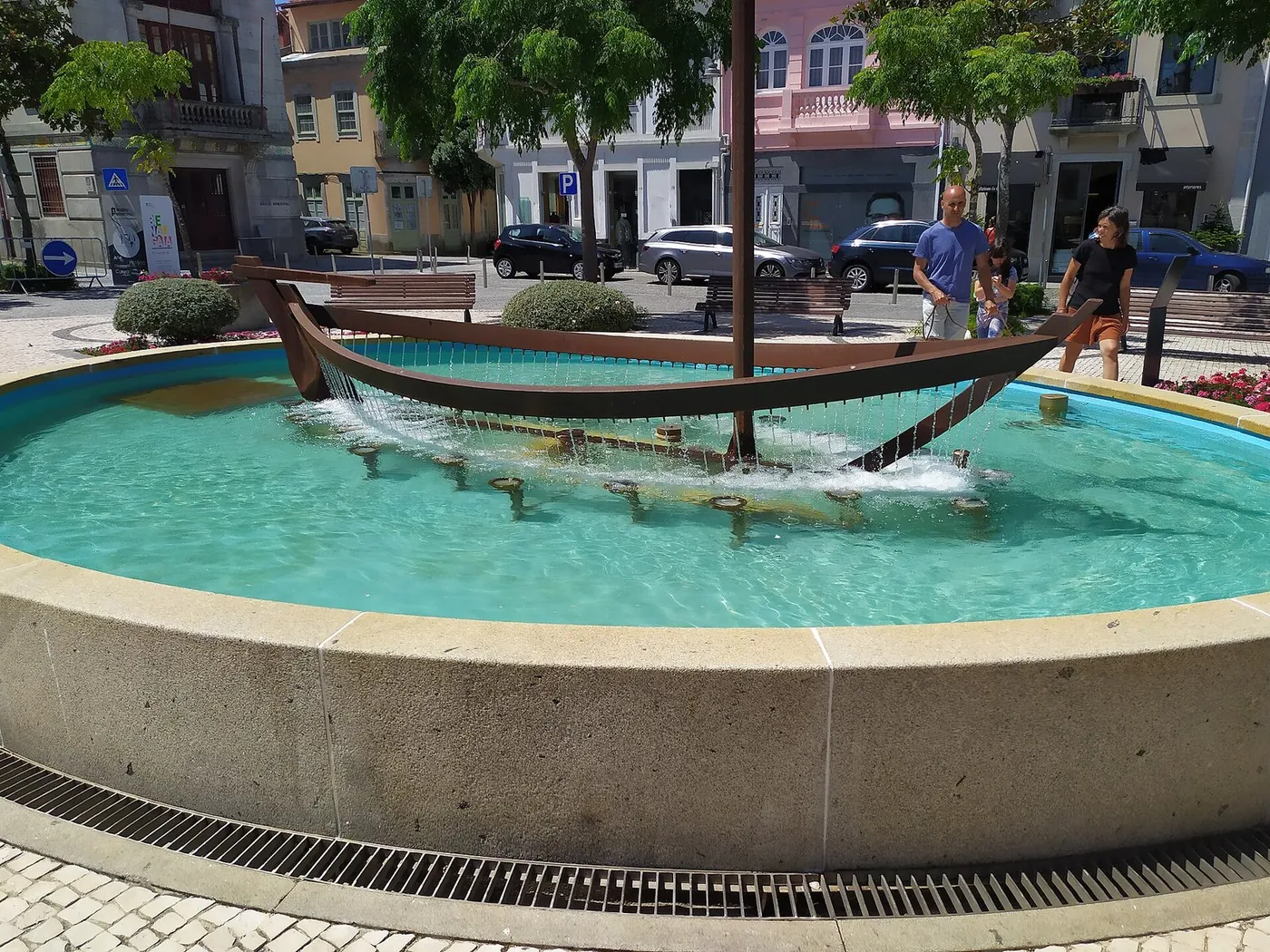
Through: Esposende · Viana do Castelo
Introduction to Stage 3: Esposende to Viana do Castelo
This stage of the Camino Portugués Coastal Way begins in Esposende, a town with a relatively low crowd index of 0.0859. As you leave Esposende, you'll notice the unique natural landscape of the Parque Natural do Litoral Norte, a protected area that's home to a diverse range of flora and fauna. The stage ends in Viana do Castelo, which has a higher crowd index of 0.2545, offering a mix of quiet and bustling experiences. The climate in Viana do Castelo is mild, with average temperatures ranging from 8.9 to 19.4 degrees Celsius. The town's pageview seasonality data shows a peak of 7491 views in 202508, indicating a popular time to visit. As you prepare for this stage, consider the practical rhythm of the walk and plan your accommodations and route accordingly, taking into account the crowd index and pageview seasonality data for each town. The contrast between the crowd indices of Esposende and Viana do Castelo will give you a sense of the different atmospheres you can expect to encounter on this stage.
Exploring Esposende's Hidden Gems
Esposende has a number of interesting sites to explore, including the Pelourinho de Esposende, a historic pillory and cultural heritage site. The town also has a number of other points of interest, such as the Farol de Esposende, a lighthouse that offers views of the surrounding area. As you explore Esposende, you'll notice the town's rich history and cultural heritage, which is reflected in its architecture and landmarks, including the Museu Municipal de Esposende and the Capela do Senhor dos Mareantes. The town's crowd index of 0.0859 indicates a relatively quiet experience, making it an ideal place to rest and reflect before continuing on the Camino. You can also visit the Chafariz da Catraia, a fountain, and the Centro Marítimo de Esposende, a museum. The town's quiet atmosphere will give you a chance to appreciate its unique character and charm.
Map
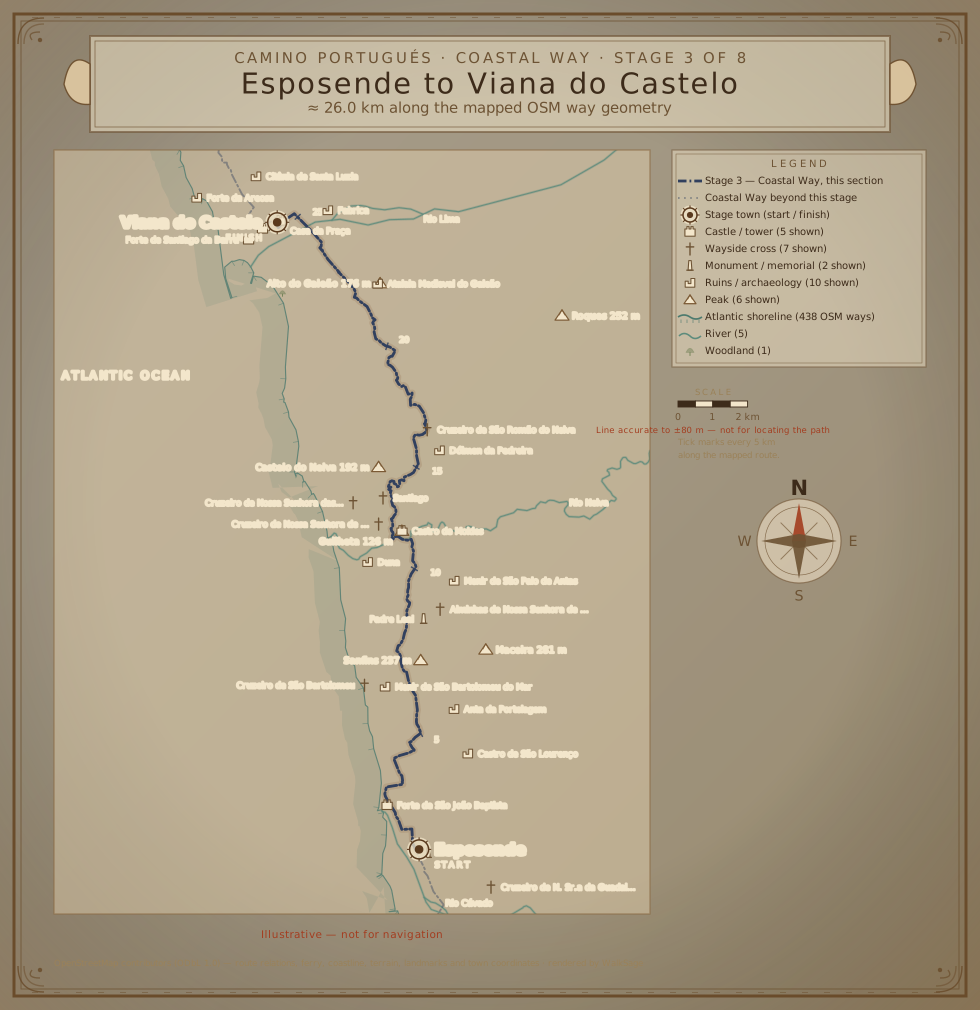
The Coastal Route to Viana do Castelo
The route from Esposende to Viana do Castelo takes you along the coast, offering views of the surrounding landscape. As you walk, you'll notice the unique natural features of the area, including the Restinga, a coastal attraction. The route is relatively flat and easy to follow, making it accessible to walkers of all ages and abilities. Along the way, you'll have the opportunity to visit the Miradouro da Foz do Cávado, a viewpoint that offers views of the surrounding area. The practical rhythm of the walk will depend on your individual pace, but be sure to take time to rest and enjoy the scenery. See the stage map for more information on the route and its features. As you walk, consider the crowd index and pageview seasonality data for each town, and plan your itinerary accordingly. The route will take you through a variety of landscapes, including coastal areas and urban centers.
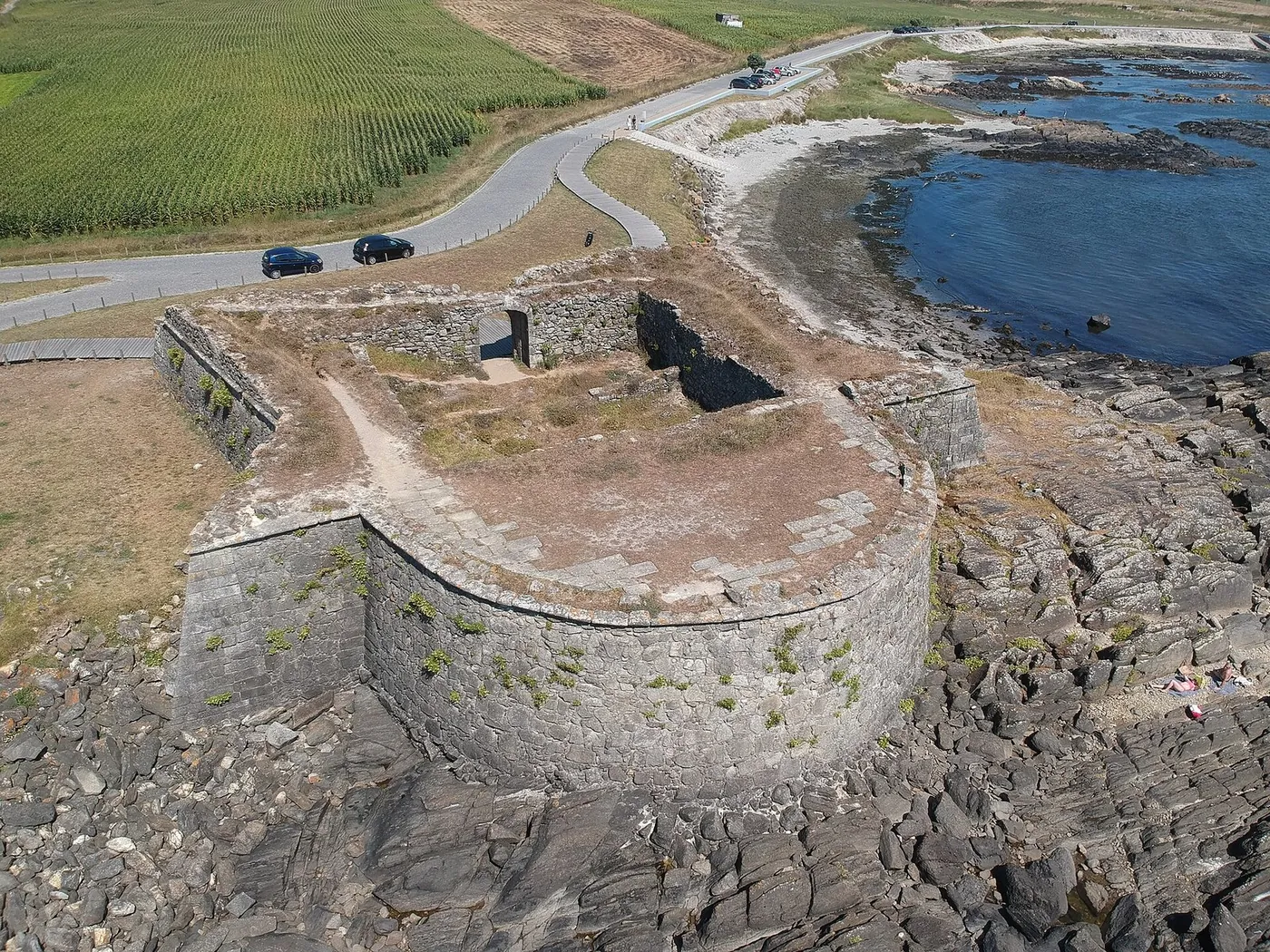
Discovering Viana do Castelo's Cultural Heritage
Viana do Castelo is a town with a rich cultural heritage, reflected in its landmarks and architecture. One of the town's most notable sites is the Citânia de Santa Luzia, an archaeological site and national monument. The town is also home to a number of other cultural heritage sites, including the Chafariz da Praça da Rainha, a historic fountain, and the Forte de Santiago da Barra, a fort and cultural heritage site. As you explore Viana do Castelo, you'll notice the town's unique character and charm, which is reflected in its landmarks and attractions, such as the Santuário de Santa Luzia, a place of worship and cultural heritage site. The town's higher crowd index of 0.2545 indicates a more bustling experience, with a wider range of amenities and services available to walkers. You can also visit the Elevador de Santa Luzia, a funicular, and the Biblioteca Municipal, a library and cultural heritage site.
Unusual Attractions and Landmarks
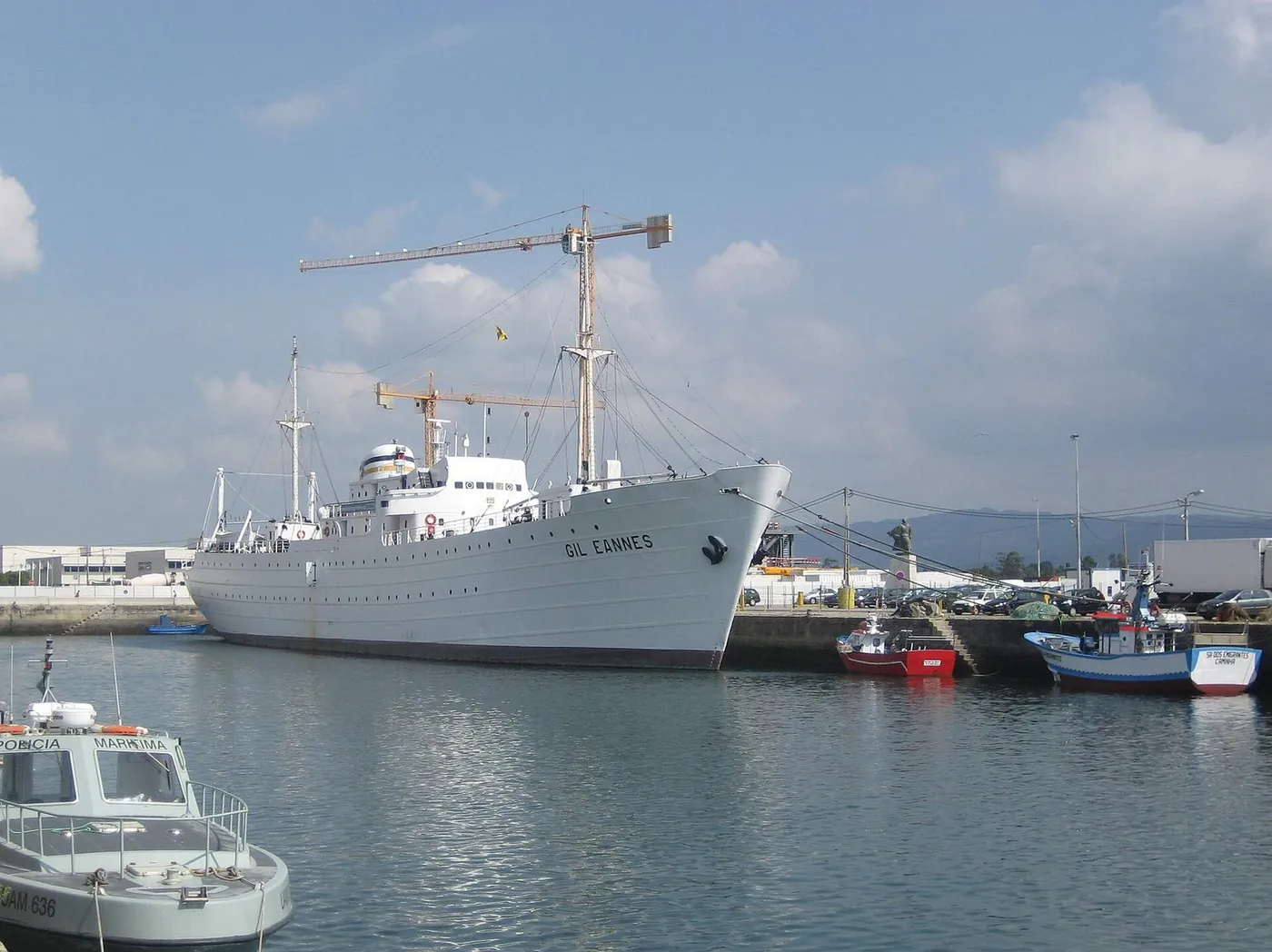
Viana do Castelo has a number of unusual attractions and landmarks that are worth exploring, including the Casa dos Lunas, a manor house and national monument. The town is also home to the Navio Hospital Gil Eanes, a ship and museum, and the Ponte Eiffel, a road-rail bridge. As you explore Viana do Castelo, you'll notice the town's unique character and charm, which is reflected in its landmarks and attractions, such as the Catedral de Viana do Castelo and the Igreja das Almas. The town's cultural heritage is also reflected in its many churches and places of worship. With its rich history and cultural heritage, Viana do Castelo is a fascinating place to explore and discover. You can also visit the Estação Ferroviária de Viana do Castelo, a railway station, and the Museu do Traje, a museum. The town's many landmarks and attractions will give you a sense of its unique character and charm.
Conclusion and Preparation for the Next Stage
As you complete this stage of the Camino Portugués Coastal Way, you'll be well-prepared for the next stage of your journey. Be sure to take time to rest and reflect on your experiences so far, and to plan your route and accommodations for the next stage. With the help of WalkSage, you'll be able to navigate the route with ease and confidence, and to make the most of your time on the Camino. Consider the practical rhythm of the walk and plan your itinerary accordingly, taking into account the crowd index and pageview seasonality data for each town. As you continue on the Camino, you'll have the opportunity to explore new towns and landmarks, and to experience the unique culture and heritage of each place. The contrast between the crowd indices of Esposende and Viana do Castelo will give you a sense of the different atmospheres you can expect to encounter on the next stage. Be sure to plan your accommodations and route accordingly, and to take time to rest and enjoy the scenery.
Points of interest
In walking order. Each stop is the audio chapter you'll hear in the app: the story, the Local Angle, and the sources behind both.
Parque Natural do Litoral Norte
local spotCrowds: not yet measuredParque Natural do Litoral Norte is a protected area. It has a unique natural landscape.
Local Angle
Less crowded than other areas, with a crowd_index of 0.0859 in Esposende.
Pelourinho de Esposende
attractionCrowds: not yet measuredPelourinho de Esposende is a historic pillory and cultural heritage site. It is located in Esposende.
Local Angle
A less visited site, given Esposende's low crowd_index of 0.0859.
Citânia de Santa Luzia
attractionCrowds: not yet measuredCitânia de Santa Luzia is an archaeological site and national monument. It is in Viana do Castelo.
Local Angle
More popular than Esposende, with a crowd_index of 0.2545 in Viana do Castelo.
Chafariz da Praça da Rainha
fountainCrowds: not yet measuredChafariz da Praça da Rainha is a historic fountain and cultural heritage site. It is in Viana do Castelo.
Local Angle
A spot to visit, considering Viana do Castelo's crowd_index of 0.2545.
Casa dos Lunas
manorCrowds: not yet measuredCasa dos Lunas is a manor house and national monument. It is in Viana do Castelo.
Local Angle
A site in Viana do Castelo, which has a crowd_index of 0.2545.
Climate (Viana do Castelo (1991–2020 normals, nearest model grid point))
| Month | Mean temp (°C) | Precipitation (mm) |
|---|---|---|
| Jan | 8.9 | 218.6 |
| Feb | 9.3 | 140.9 |
| Mar | 11.1 | 162.6 |
| Apr | 12.4 | 154.8 |
| May | 14.7 | 132.1 |
| Jun | 17.4 | 54.9 |
| Jul | 19.2 | 30.5 |
| Aug | 19.4 | 45.8 |
| Sep | 17.8 | 88.4 |
| Oct | 15 | 233.6 |
| Nov | 11.6 | 231.8 |
| Dec | 9.7 | 224.3 |
Climate data: archive-api.open-meteo.com. Missing values are shown as "—", never estimated.
Sources
- https://www.wikidata.org/wiki/Q552011
- https://wikimedia.org/api/rest_v1/metrics/pageviews/per-article/pt.wikipedia/all-access/user/Esposende/monthly/20250801/20260731
- https://archive-api.open-meteo.com/v1/archive?latitude=41.533333&longitude=-8.783333&start_date=1991-01-01&end_date=2020-12-31&daily=temperature_2m_mean%2Cprecipitation_sum&timezone=UTC
- https://www.wikidata.org/wiki/Q208158
- https://wikimedia.org/api/rest_v1/metrics/pageviews/per-article/pt.wikipedia/all-access/user/Viana_do_Castelo/monthly/20250801/20260731
- https://archive-api.open-meteo.com/v1/archive?latitude=41.7&longitude=-8.833333&start_date=1991-01-01&end_date=2020-12-31&daily=temperature_2m_mean%2Cprecipitation_sum&timezone=UTC
- https://www.openstreetmap.org/relation/12786090