The Coastal Way from Porto to Póvoa de Varzim offers a unique experience, with Porto's crowd index at 0.5691 and Póvoa de Varzim's at 0.1452, providing a mix of urban and coastal scenery. The stage's climate is characterized by a mean temperature of 9.5°C in January and 21.1°C in August. The pageview seasonality for Porto shows a peak of 10748 views in October, while Póvoa de Varzim's peak is 3290 views in August. This contrast in crowd index and pageview seasonality makes the Coastal Way an ideal choice for those seeking a more peaceful journey.
Discovering the Coastal Way: Porto to Póvoa de Varzim
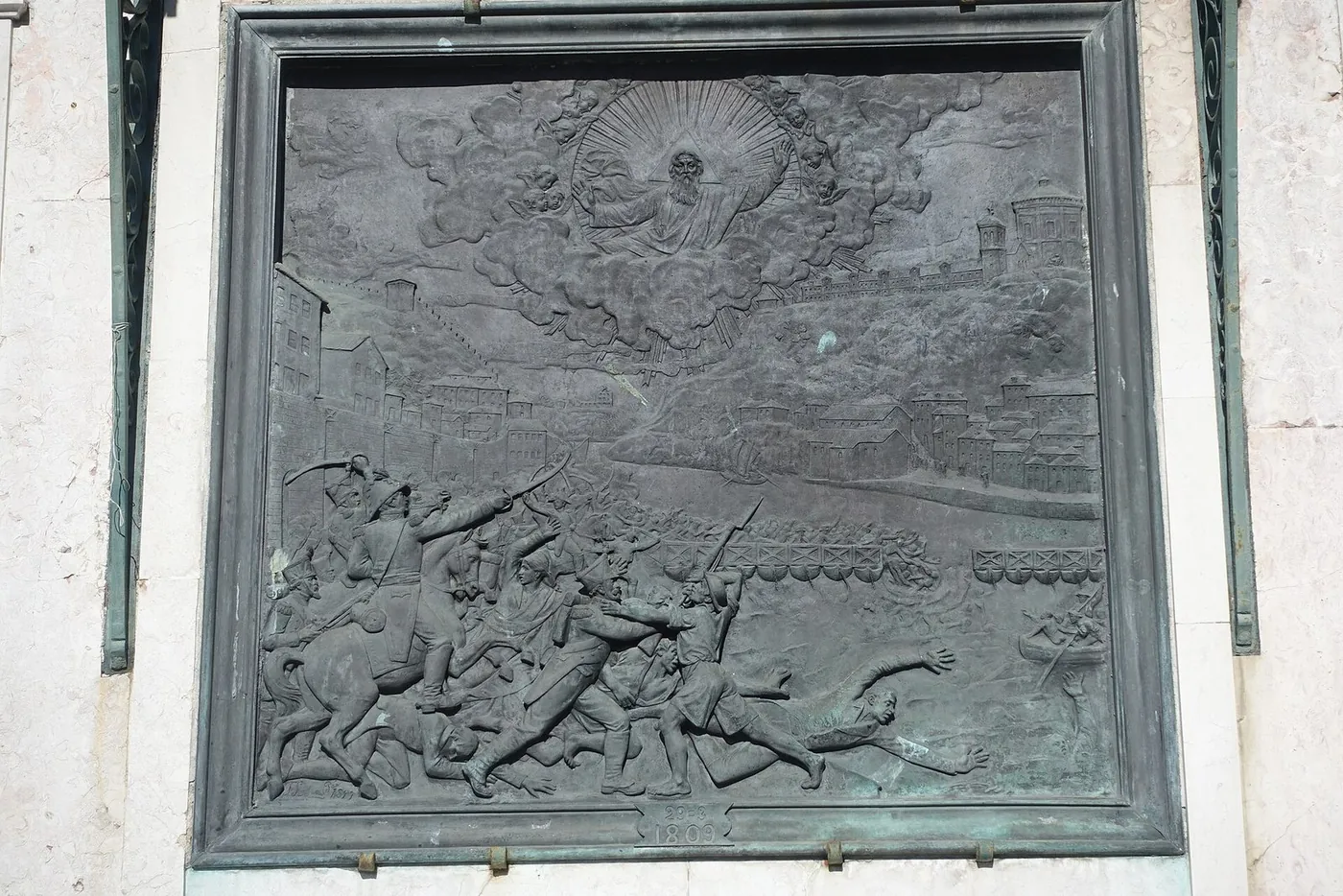
Through: Porto · Póvoa de Varzim
Introduction to Stage 1: Porto to Póvoa de Varzim
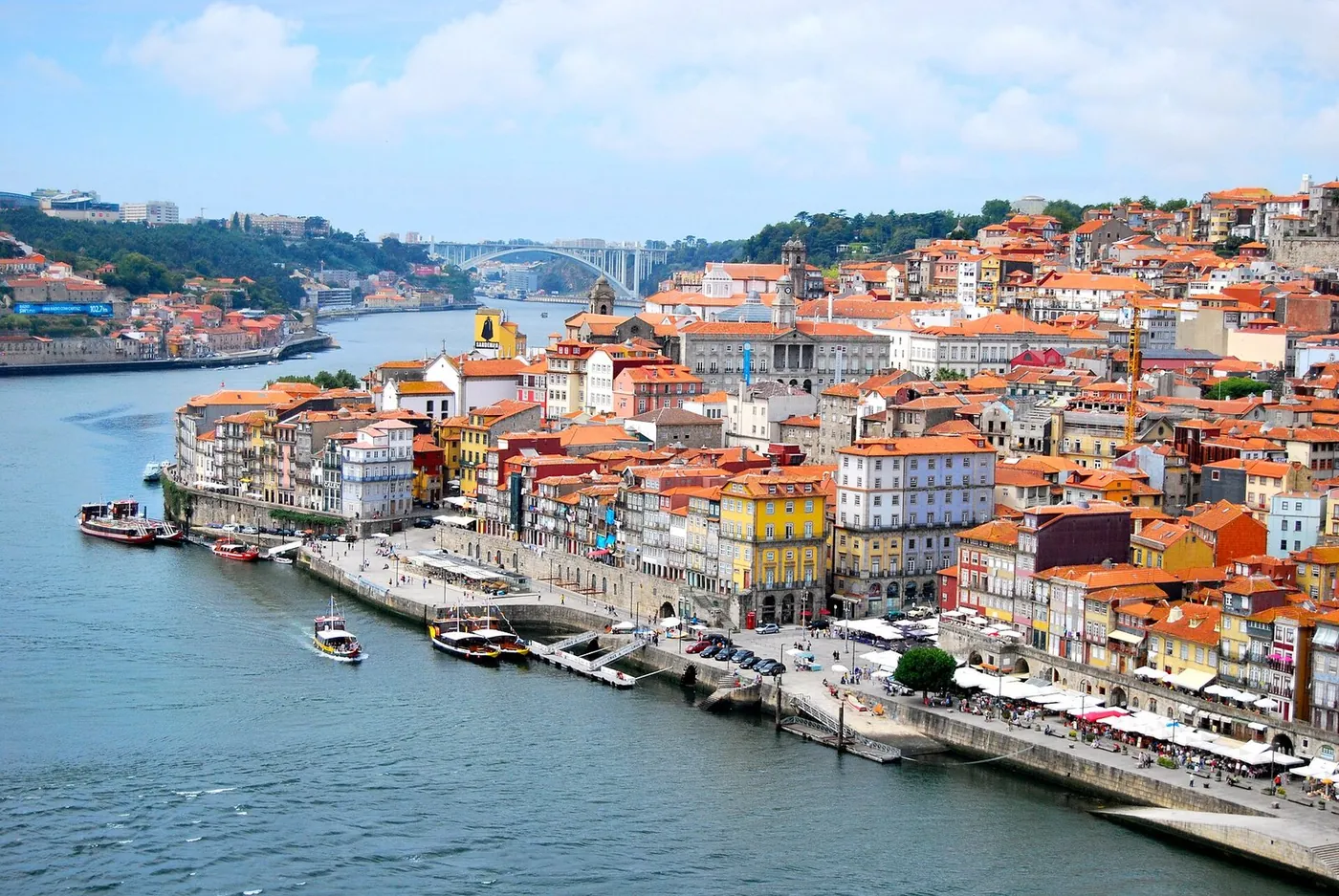
The Coastal Way from Porto to Póvoa de Varzim is a lesser-visited route, with the most viewed town on the route being Santiago de Compostela. This stage offers a unique experience, with a mix of urban and coastal scenery. Porto's crowd index is 0.5691, while Póvoa de Varzim's is 0.1452, making it an ideal choice for those seeking a more peaceful journey. The climate in this region is mild, with a mean temperature of 9.5°C in January and 21.1°C in August. As you walk through Porto, you will notice the city's rich cultural heritage, with numerous attractions such as the Livraria Lello & Irmão and the Igreja e Torre dos Clérigos. The practical rhythm of the walk allows you to take in the sights and sounds of the city, before transitioning to the coastal scenery of Póvoa de Varzim. With a total of 17 POIs in Porto, you will have plenty of opportunities to explore the city's cultural heritage.
Heritage Sites in Porto
Porto is home to numerous heritage sites, including the Livraria Lello & Irmão, a unique example of Art Nouveau and Gothic Revival architectural style. The Igreja e Torre dos Clérigos, a Baroque church and tower, is another notable landmark. These sites showcase the city's rich cultural heritage and are of interest to anyone looking at history and architecture. With a crowd index of 0.5691, Porto is a popular destination, but its lesser-visited heritage sites make it an ideal choice for those seeking a more authentic experience. The city's 17 POIs, including the Sé do Porto and the Igreja da Lapa, offer a wealth of cultural and historical significance. As you explore the city, you will notice the unique blend of architectural styles, from Baroque to Art Nouveau, which reflects the city's rich cultural heritage.
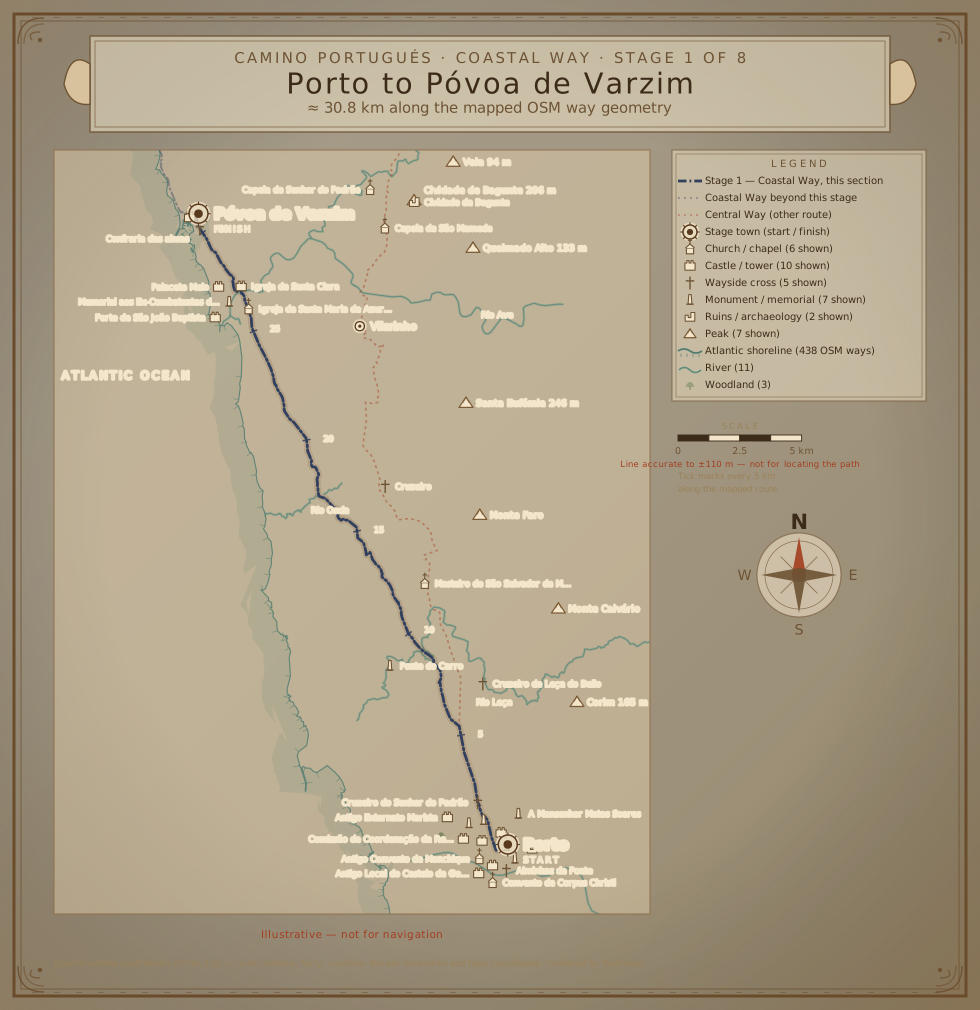
Map
Transitioning to Póvoa de Varzim
As you leave Porto and head towards Póvoa de Varzim, the scenery shifts from urban to coastal. The crowd index in Póvoa de Varzim is significantly lower, at 0.1452, making it an ideal destination for those seeking a more peaceful journey. The town's cultural heritage is characterized by its historic pillory, the Pelourinho da Póvoa, and the 18th-century aqueduct, the Aqueduto de Santa Clara. These sites showcase the town's rich history and are a testament to its cultural significance. The pageview seasonality for Póvoa de Varzim shows a peak of 3290 views in August, making it an ideal time to visit. As you walk through the town, you will notice the unique blend of cultural and historical landmarks, including the Museu Municipal de Etnografia e História da Póvoa de Varzim and the Igreja Matriz.
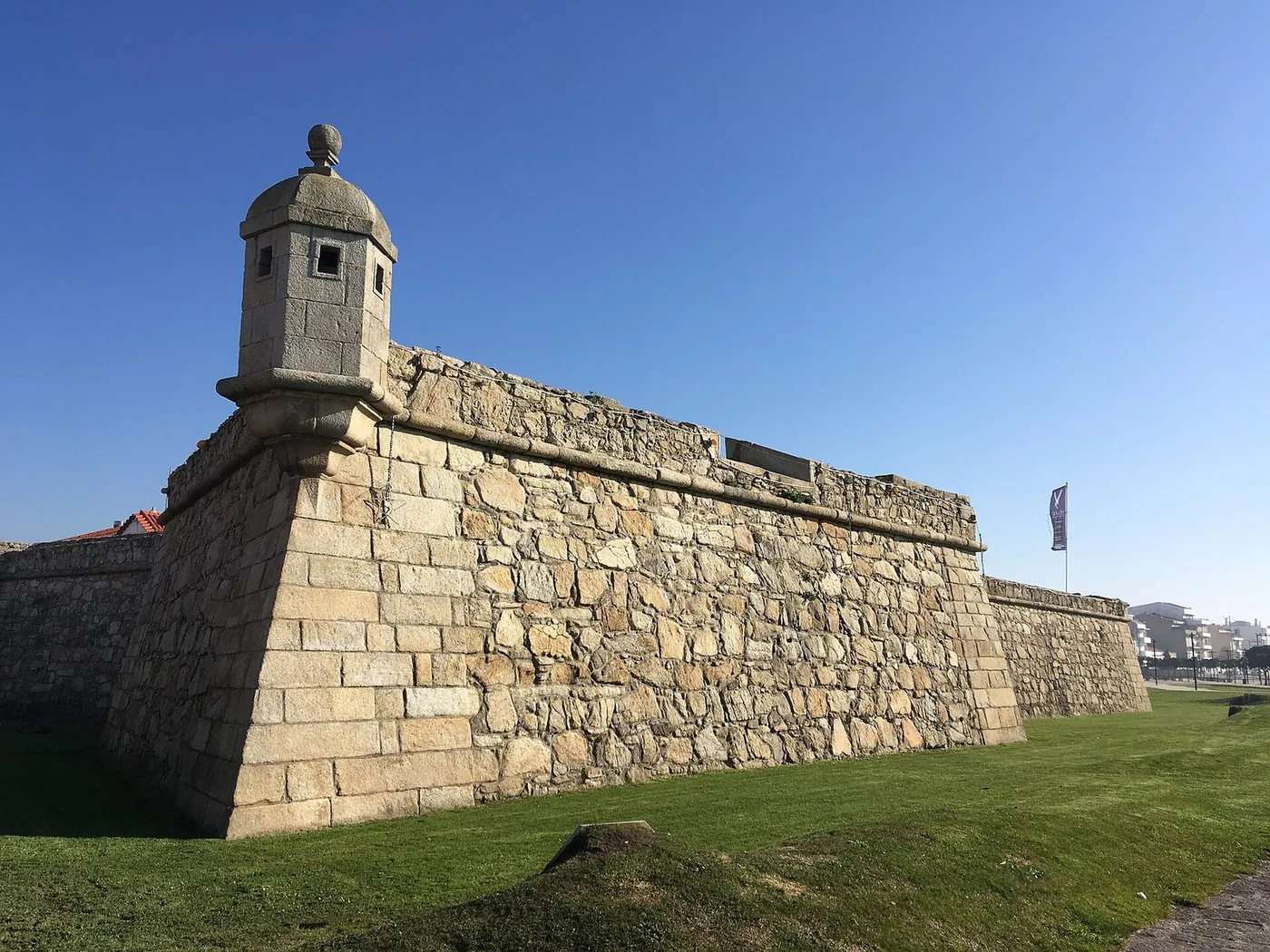
Exploring Póvoa de Varzim's Cultural Heritage
Póvoa de Varzim is home to numerous cultural heritage sites, including the Museu Municipal de Etnografia e História da Póvoa de Varzim, which showcases the town's history and ethnography. The Igreja Matriz, a Roman Catholic church, is another notable landmark. The town's cultural heritage is also characterized by its historic buildings, such as the Câmara Municipal da Póvoa de Varzim, which dates back to the 16th century. With a crowd index of 0.1452, Póvoa de Varzim is an ideal destination for those seeking a more authentic and peaceful experience. The town's 17 POIs, including the Fortaleza de Nossa Senhora da Conceição and the Igreja Paroquial de São José de Ribamar, offer a wealth of cultural and historical significance. As you explore the town, you will notice the unique blend of cultural and historical landmarks, which reflects the town's rich cultural heritage. The practical rhythm of the walk allows you to take in the sights and sounds of the town, and enjoy the peaceful atmosphere.
Unusual Sights Along the Way
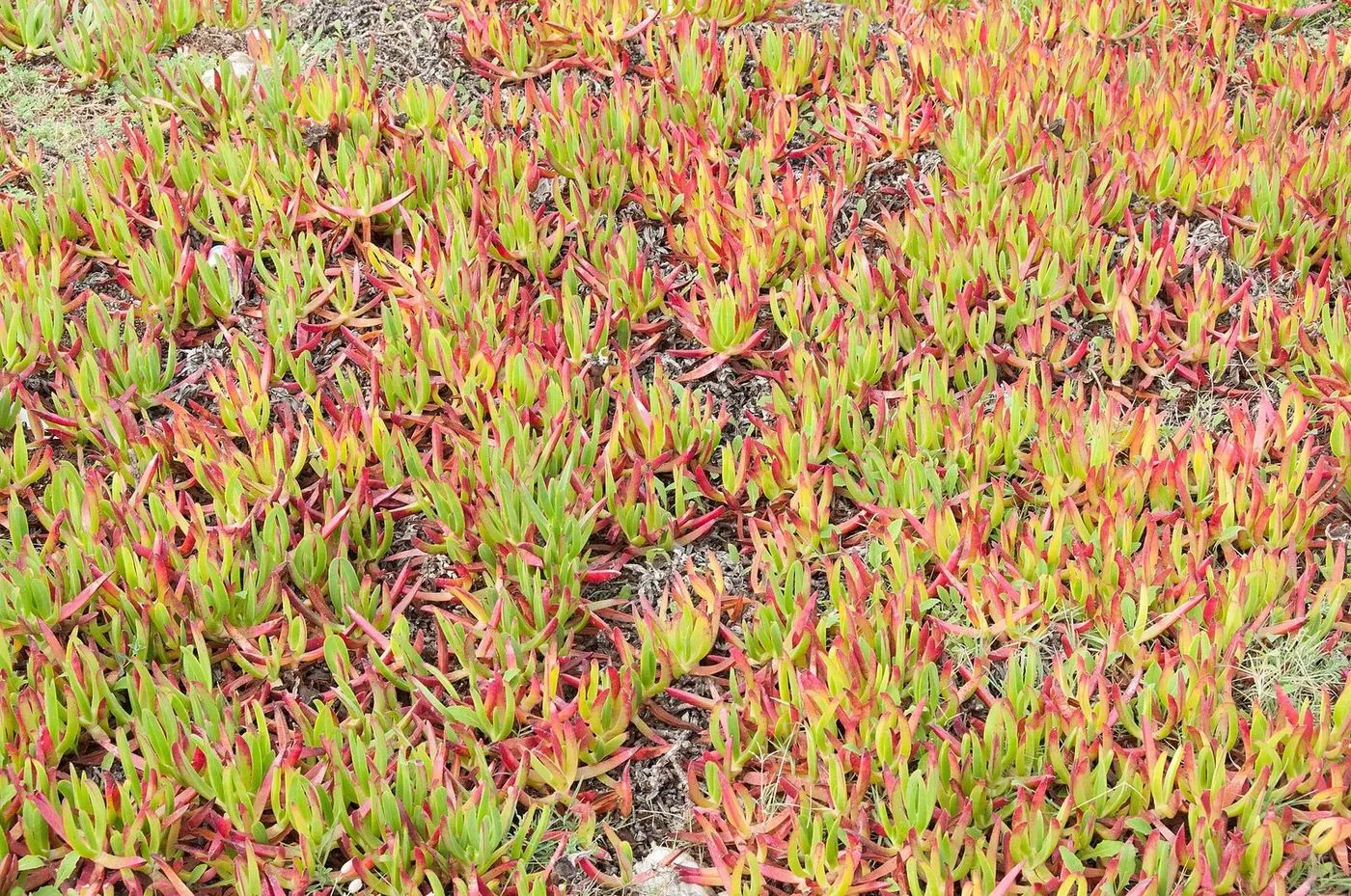
The Coastal Way from Porto to Póvoa de Varzim is also home to numerous unusual sights, including the Farol de Regufe, a 19th-century lighthouse. The Polo Interpretativo do Farol de Regufe, a museum dedicated to the lighthouse, is another notable landmark. The Muro de Azulejos, a monument featuring azulejo tiles, is a unique example of Portuguese art. These unusual sights make the Coastal Way a unique and fascinating journey, with something to discover around every corner. As you walk along the Coastal Way, you will notice the unique blend of cultural and historical landmarks, which reflects the region's rich cultural heritage. The pageview seasonality for the region shows a peak in the summer months, making it an ideal time to visit. With a total of 34 POIs along the way, you will have plenty of opportunities to explore the region's cultural and historical significance.
Conclusion: Embracing the Lesser-Visted Path
The Coastal Way from Porto to Póvoa de Varzim is a lesser-visited route that offers a unique experience, with a mix of urban and coastal scenery. With its rich cultural heritage and numerous unusual sights, this stage is an ideal choice for those seeking a more authentic and peaceful journey. As you walk along the Coastal Way, be sure to listen to the WalkSage audio guide, which provides a wealth of information about the history and culture of the region, making your journey even more enjoyable and enriching. The crowd index contrast between Porto and Póvoa de Varzim makes this stage an ideal choice for those seeking a more peaceful journey. With a total of 34 POIs along the way, you will have plenty of opportunities to explore the region's cultural and historical significance. As you complete this stage, you will have experienced a unique and fascinating journey, with a wealth of cultural and historical significance to reflect on.
Points of interest
In walking order. Each stop is the audio chapter you'll hear in the app: the story, the Local Angle, and the sources behind both.
Livraria Lello & Irmão
attractionCrowds: not yet measuredLivraria Lello & Irmão is a cultural heritage monument with Art Nouveau and Gothic Revival architectural style. It was established in 1869 and 1906. The building is a notable example of Portuguese architecture.
Local Angle
Less crowded than other attractions in Porto, with a crowd_index of 0.5691, Livraria Lello & Irmão is a great spot for those looking to avoid the masses.
Igreja e Torre dos Clérigos
churchCrowds: not yet measuredIgreja e Torre dos Clérigos is a Baroque church and tower, a National Monument of Portugal. It was built in 1763 and features Baroque architecture. The church and tower are a notable example of Portuguese cultural heritage.
Local Angle
With a lower crowd_index compared to other Porto landmarks, Igreja e Torre dos Clérigos is a great option for a more peaceful visit.
Aqueduto de Vila do Conde
aqueductCrowds: not yet measuredAqueduto de Vila do Conde is an 18th-century aqueduct, a National Monument of Portugal. It is a notable example of Portuguese engineering and cultural heritage.
Local Angle
Located in a less crowded area, Aqueduto de Vila do Conde is a great spot for those looking to explore beyond the main tourist attractions in Póvoa de Varzim.
Pelourinho da Póvoa
attractionCrowds: not yet measuredPelourinho da Póvoa is a historic pillory, a National Monument of Portugal. It dates back to the 16th century and is a notable example of Portuguese history and cultural heritage.
Local Angle
As one of the less visited monuments in Póvoa de Varzim, with a crowd_index of 0.1452, Pelourinho da Póvoa offers a more secluded experience.
Farol de Regufe
lighthouseCrowds: not yet measuredFarol de Regufe is a 19th-century lighthouse. It was inaugurated on 1892-03-24 and is a notable example of Portuguese maritime history and cultural heritage.
Local Angle
Farol de Regufe is a great option for those looking to explore the coastal area of Póvoa de Varzim, with fewer tourists compared to the city center.
Climate (Póvoa de Varzim (1991–2020 normals, nearest model grid point))
| Month | Mean temp (°C) | Precipitation (mm) |
|---|---|---|
| Jan | 9.5 | 172.7 |
| Feb | 10 | 111.4 |
| Mar | 12 | 131.8 |
| Apr | 13.6 | 128.2 |
| May | 16.1 | 109 |
| Jun | 18.9 | 40.7 |
| Jul | 20.8 | 21.9 |
| Aug | 21.1 | 31.3 |
| Sep | 19.4 | 69 |
| Oct | 16.3 | 189.6 |
| Nov | 12.5 | 193 |
| Dec | 10.3 | 187.7 |
Climate data: archive-api.open-meteo.com. Missing values are shown as "—", never estimated.
Sources
- https://www.wikidata.org/wiki/Q36433
- https://wikimedia.org/api/rest_v1/metrics/pageviews/per-article/pt.wikipedia/all-access/user/Porto/monthly/20250801/20260731
- https://archive-api.open-meteo.com/v1/archive?latitude=41.15&longitude=-8.610833&start_date=1991-01-01&end_date=2020-12-31&daily=temperature_2m_mean%2Cprecipitation_sum&timezone=UTC
- https://www.wikidata.org/wiki/Q200459
- https://wikimedia.org/api/rest_v1/metrics/pageviews/per-article/pt.wikipedia/all-access/user/P%C3%B3voa_de_Varzim/monthly/20250801/20260731
- https://archive-api.open-meteo.com/v1/archive?latitude=41.39158&longitude=-8.75713&start_date=1991-01-01&end_date=2020-12-31&daily=temperature_2m_mean%2Cprecipitation_sum&timezone=UTC
- https://www.openstreetmap.org/relation/12786090