This stage of the Camino Portugués Central Way starts in Rubiães, with a crowd index of 0.0056, and ends in Tui, with a crowd index of 0.2616, offering a unique blend of serene landscapes and rich cultural heritage.
Camino Portugués Central Way Stage 5: Rubiães to Tui
Through: Rubiães · Tui
Introduction to Stage 5: Rubiães to Tui
The Camino Portugués Central Way Stage 5 begins in Rubiães, a town with a crowd index of 0.0056, and ends in Tui, a town with a crowd index of 0.2616. This stage offers a unique blend of serene landscapes and rich cultural heritage. The average temperature in January is 8.0°C in Rubiães and 8.9°C in Tui, while the average precipitation is 215.0mm in Rubiães and 207.9mm in Tui. Pilgrims can expect a peaceful start in Rubiães and a more lively atmosphere in Tui. The pageview seasonality data shows that Rubiães has a monthly average of 88.9 views, while Tui has 4129.1 views, indicating a significant difference in the number of visitors between the two towns.
Rubiães: A Quiet Beginning
Rubiães provides a peaceful start to the stage, with a crowd index of 0.0056 and a monthly average of 88.9 page views. The town's serene atmosphere is perfect for reflection and preparation for the journey ahead. In Rubiães, pilgrims can find places of worship, such as the Igreja de São Pedro de Rubiães, and historic sites like the Ponte de Rubiães. The town's quiet atmosphere allows pilgrims to focus on their journey and prepare for the days ahead. The practical rhythm of the walk allows pilgrims to take in the sights and sounds of the region at a leisurely pace, making it an enjoyable experience.
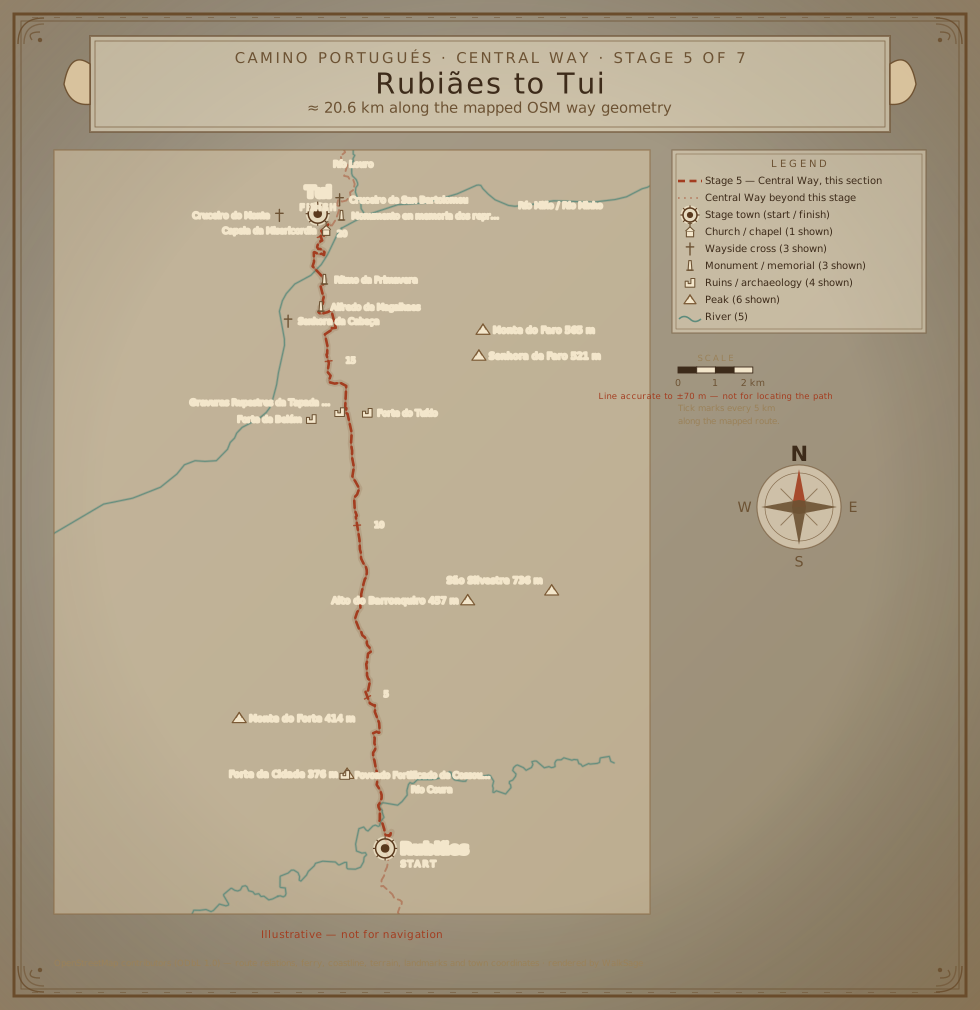
Map
Heritage and Culture Along the Way
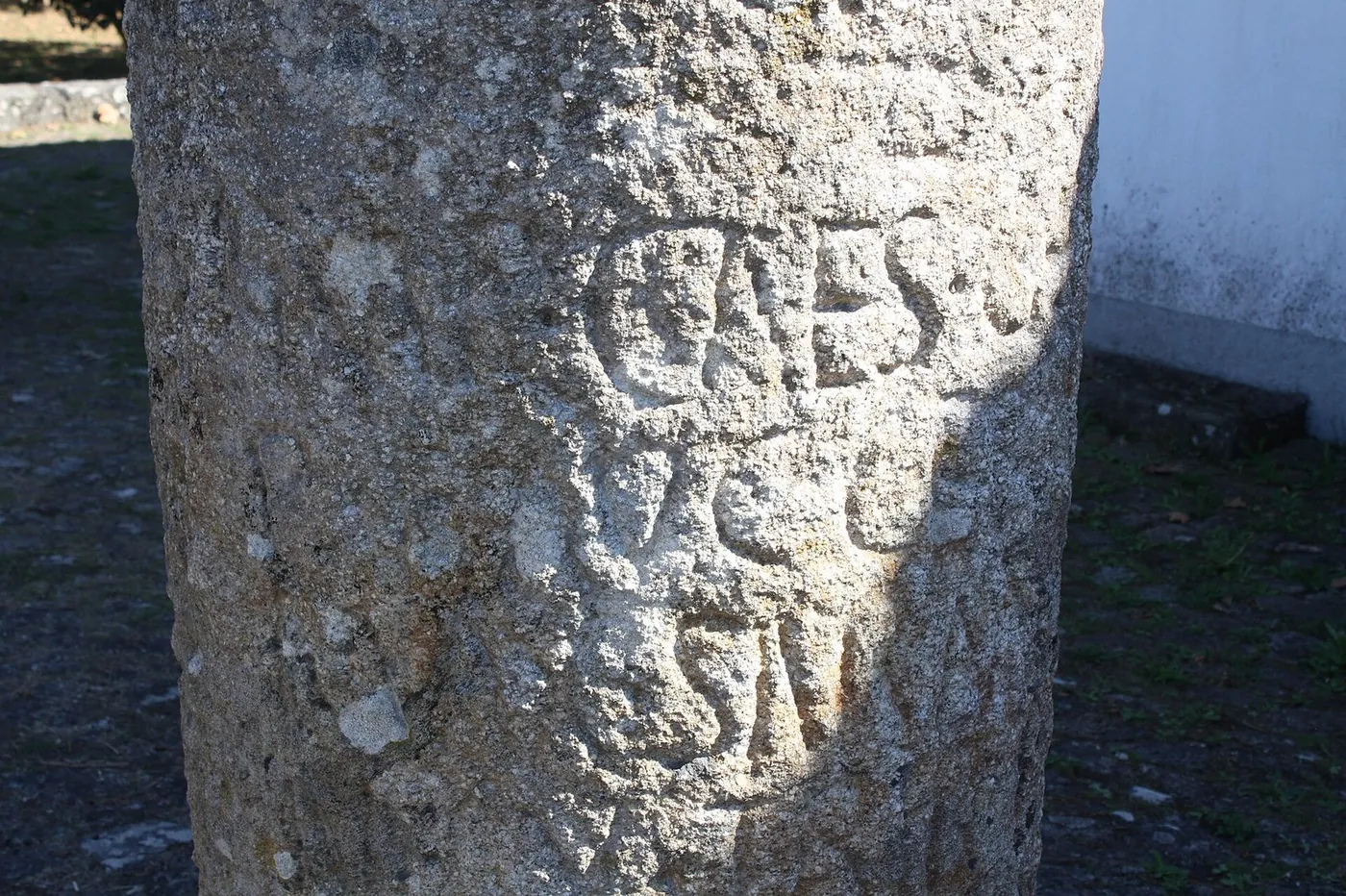
As pilgrims journey from Rubiães to Tui, they will encounter a variety of cultural and historical landmarks. In Rubiães, they can visit the Igreja de São Pedro de Rubiães, a place of worship, and the Ponte de Rubiães, a bridge. Along the way, pilgrims can also find other places of worship, such as the Capela de São Roque, and historic sites like the Miliário do Adro da Igreja de Rubiães. The OSM tags indicate that these sites exist in the town, providing a glimpse into the region's cultural heritage. The walk's practical rhythm allows pilgrims to take in the sights and sounds of the region, making it a memorable experience.
Crossing into Tui: A Hub of Activity
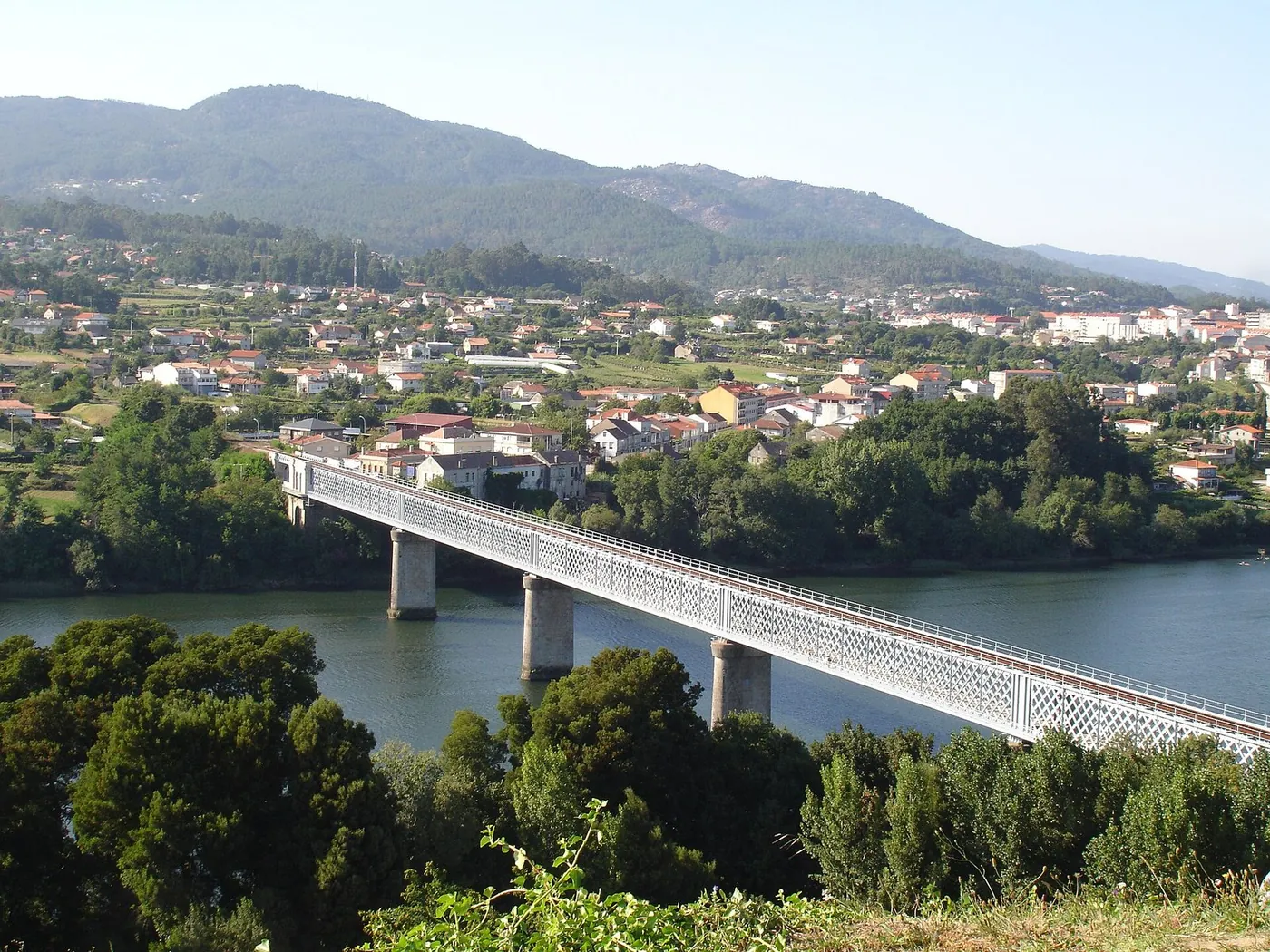
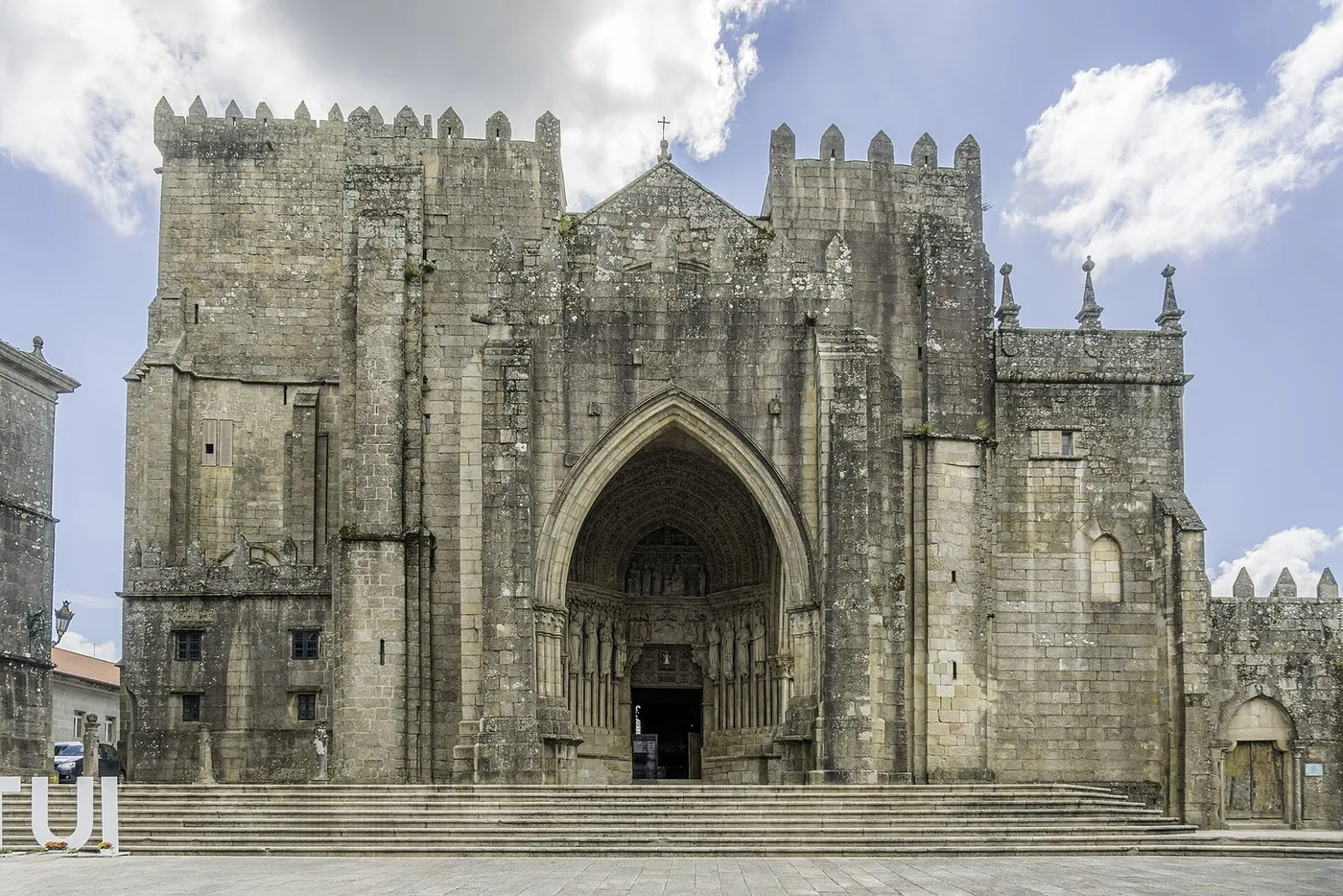
Tui, with a crowd index of 0.2616, offers a stark contrast to the quiet start in Rubiães. The town is a hub of activity, with a variety of places of worship, such as the Catedral de Santa María de Tui, and historic sites like the Pelourinho de Valença. The OSM tags indicate that these sites exist in the town, providing a glimpse into the region's rich cultural heritage. Pilgrims can explore the town's historic center and enjoy the local amenities, including the Igreja Paroquial de Santa Maria dos Anjos. The town's lively atmosphere provides a welcome change of pace for pilgrims after the quiet start in Rubiães. The pageview seasonality data shows that Tui has a significant number of visitors, with 4129.1 monthly average views.
Exploring Tui's Historic Landmarks
Tui is home to several historic landmarks, including the Pelourinho de Valença, a historic site, and the Fortificações da Praça de Valença do Minho, a historic fortification. The OSM tags indicate that these sites exist in the town, providing a glimpse into the region's rich cultural heritage. Pilgrims can also visit the Catedral de Santa María de Tui, a place of worship, and the Igreja de Santo Estêvão, a church. The town's historic center is filled with a range of cultural and historical landmarks, making it a fascinating place to explore. The practical rhythm of the walk allows pilgrims to take in the sights and sounds of the region at a leisurely pace, making it a memorable experience.
Conclusion: Contrasts and Connections
The Camino Portugués Central Way Stage 5 offers a unique blend of serene landscapes and rich cultural heritage. From the quiet start in Rubiães to the more populated end in Tui, pilgrims will experience a range of contrasts and connections. The crowd index contrast between the two towns provides a unique perspective on the region's cultural heritage. The pageview seasonality data and climate means provide additional insights into the region's characteristics. The practical rhythm of the walk allows pilgrims to take in the sights and sounds of the region at a leisurely pace, making it a memorable and enjoyable experience. The WalkSage audio guide can provide additional information about the region's history and culture, making the experience even more enriching.
Points of interest
In walking order. Each stop is the audio chapter you'll hear in the app: the story, the Local Angle, and the sources behind both.
Igreja de São Pedro de Rubiães
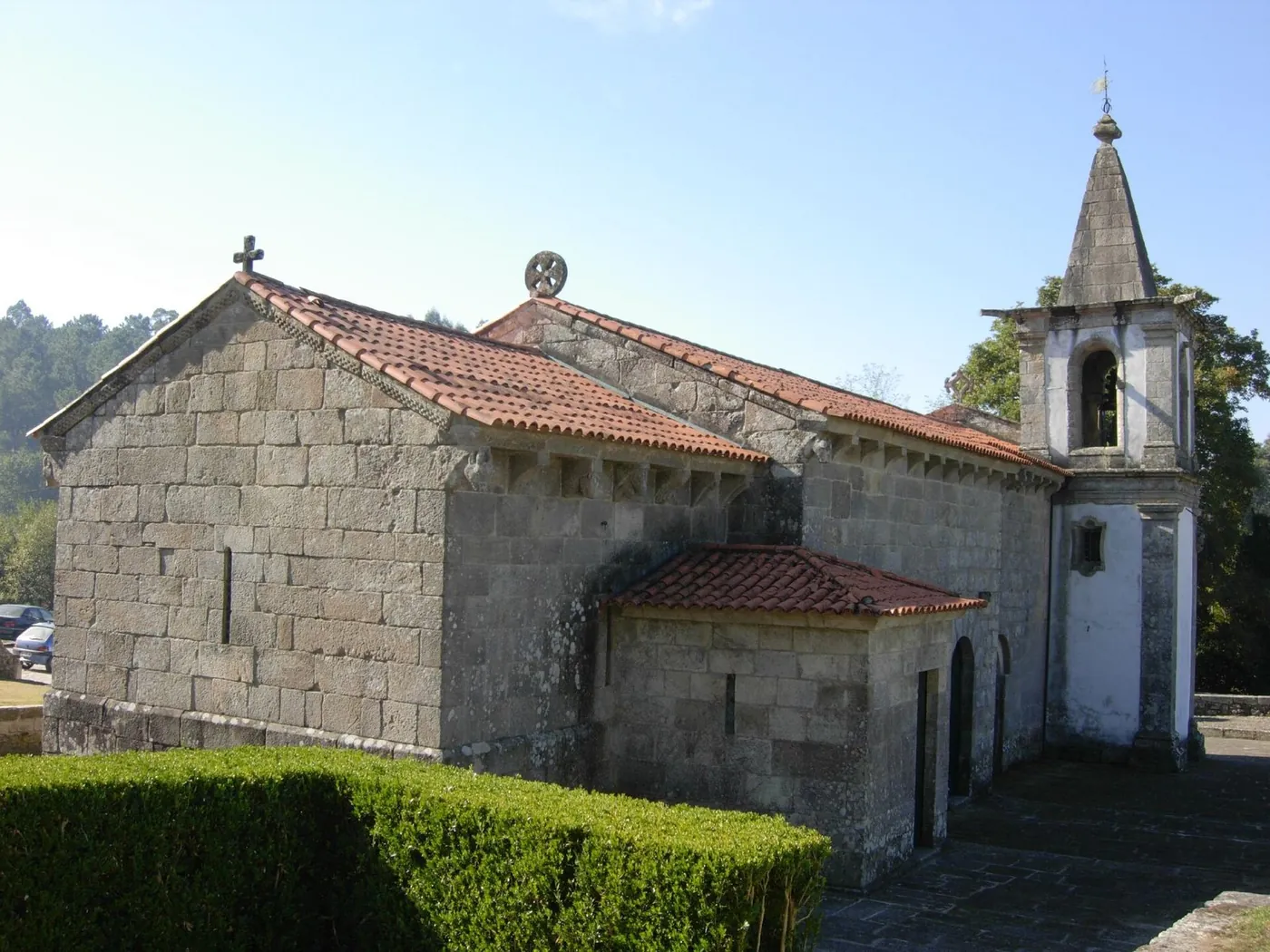
churchCrowds: not yet measuredIgreja de São Pedro de Rubiães is a church with Romanesque architecture and is a National Monument of Portugal. It was built in the 12th century.
Local Angle
Less crowded than other spots, with a crowd_index of 0.0056 and monthly_avg_pageviews of 88.9.
Ponte de Rubiães
local spotCrowds: not yet measuredPonte de Rubiães is a medieval bridge and a cultural heritage site. It is a stone bridge and an arch bridge.
Local Angle
A quieter option, given its lower page views compared to other POIs in the area.
Catedral de Santa María de Tui
attractionCrowds: not yet measuredCatedral de Santa María de Tui is a historic cathedral with Romanesque architecture. It is dedicated to Mary and has been a co-cathedral.
Local Angle
More popular, with a crowd_index of 0.2616 and monthly_avg_pageviews of 4129.1, but still worth a visit.
Pelourinho de Valença
attractionCrowds: not yet measuredPelourinho de Valença is a 17th-century pillory and a cultural heritage site. It has been designated as an Immovable Cultural Heritage of Public Interest.
Local Angle
A lesser-visited spot, despite its historical significance.
Concello de Tui
townhallCrowds: not yet measuredConcello de Tui is the town hall of Tui and a cultural heritage site. It is a municipal building.
Local Angle
A quiet, local spot, given its role as a town hall and its relatively low page views.
Climate (Tui (1991–2020 normals, nearest model grid point))
| Month | Mean temp (°C) | Precipitation (mm) |
|---|---|---|
| Jan | 8.9 | 207.9 |
| Feb | 9.5 | 138.6 |
| Mar | 11.6 | 152.2 |
| Apr | 13.1 | 150.7 |
| May | 15.8 | 123.8 |
| Jun | 18.8 | 55.2 |
| Jul | 20.9 | 31.2 |
| Aug | 21.1 | 44.1 |
| Sep | 19.1 | 86 |
| Oct | 15.8 | 215.8 |
| Nov | 11.9 | 227.6 |
| Dec | 9.7 | 212.9 |
Climate data: archive-api.open-meteo.com. Missing values are shown as "—", never estimated.
Sources
- https://www.wikidata.org/wiki/Q2095537
- https://wikimedia.org/api/rest_v1/metrics/pageviews/per-article/pt.wikipedia/all-access/user/Rubi%C3%A3es/monthly/20250801/20260731
- https://archive-api.open-meteo.com/v1/archive?latitude=41.896389&longitude=-8.625278&start_date=1991-01-01&end_date=2020-12-31&daily=temperature_2m_mean%2Cprecipitation_sum&timezone=UTC
- https://www.wikidata.org/wiki/Q824122
- https://wikimedia.org/api/rest_v1/metrics/pageviews/per-article/es.wikipedia/all-access/user/Tuy_%28Espa%C3%B1a%29/monthly/20250801/20260731
- https://archive-api.open-meteo.com/v1/archive?latitude=42.048056&longitude=-8.644444&start_date=1991-01-01&end_date=2020-12-31&daily=temperature_2m_mean%2Cprecipitation_sum&timezone=UTC
- https://www.openstreetmap.org/relation/12786090