Santiago de Compostela, with a crowd index of 1.0, has many lesser-known spots. The town's climate means temperatures range from 7.3 to 18.6 degrees. Explore these gems beyond the crowds.
Santiago de Compostela Beyond the Crowds
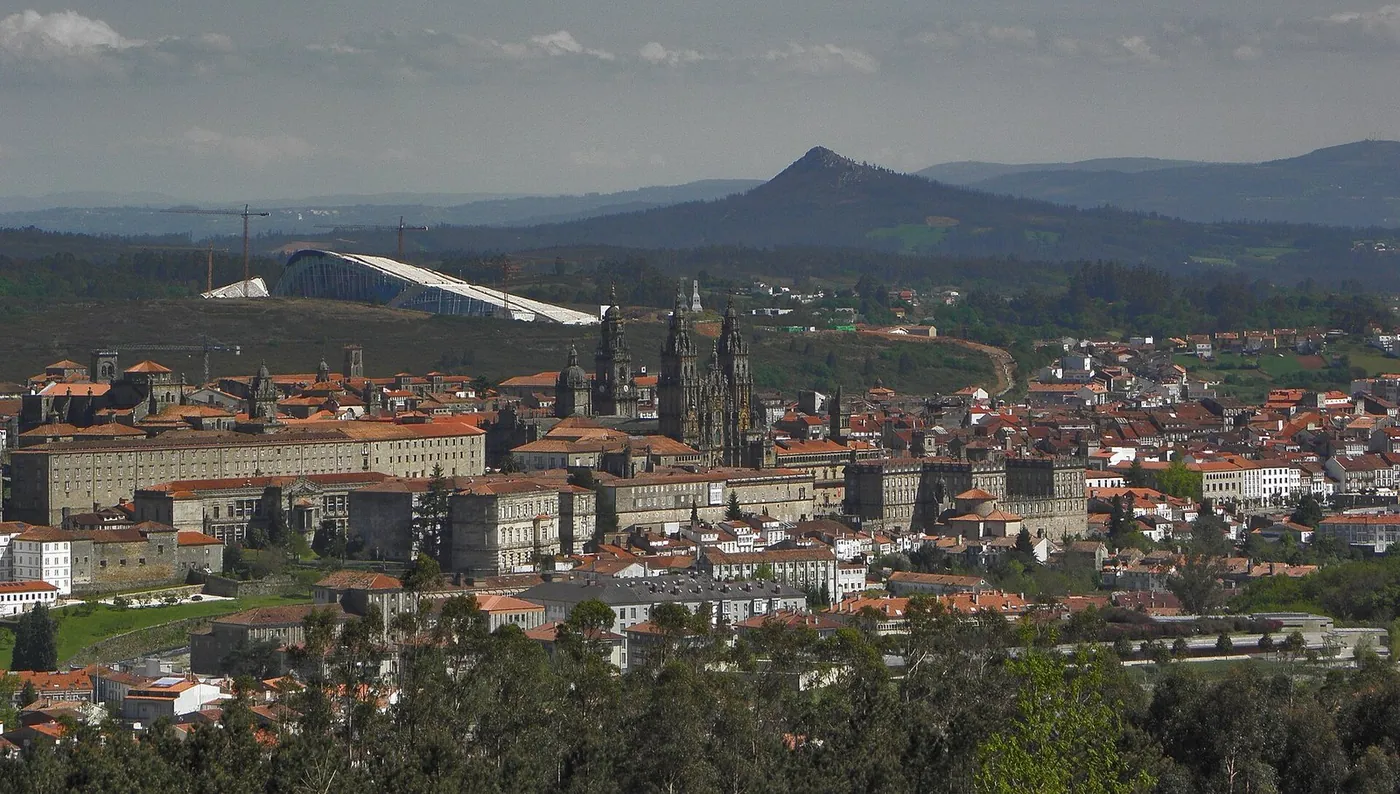
Through: Santiago de Compostela
Introduction to Santiago de Compostela Beyond the Crowds
Santiago de Compostela, the most viewed town on the route, has a crowd index of 1.0. Despite this, it offers many quiet spots for pilgrims to discover. The town's population is 100965, and its climate means temperatures range from 7.3 to 18.6 degrees, making it an ideal destination for walkers. With its rich cultural heritage, Santiago de Compostela is a place where history and nature blend together. The town has a lot to offer, from its historic city gates to its natural springs. Pilgrims can enjoy the peaceful atmosphere and reflect on their journey. By exploring beyond the crowds, pilgrims can experience the authentic charm of Santiago de Compostela. The town's pageview seasonality shows that the number of views varies throughout the year, with 23816 views in 202508 and 11294 views in 202602.
Exploring Natural Springs and Tranquil Spots
The town is home to several natural springs, including Fonte da Torre de Bonaval and Fonte do Ouro. These springs offer a tranquil spot for pilgrims to rest and reflect. The Mina de Auga de Bonaval is another natural spring that is often bypassed by tourists, making it a quiet gem for pilgrims. The climate in Santiago de Compostela means that the temperature is mild, making it ideal for walking and exploring the town's natural spots. Pilgrims can enjoy the peaceful atmosphere and rejuvenate themselves for the next stage of their journey. The natural springs are a great place to start the day, or to take a break from the crowds. They offer a unique opportunity to connect with nature and experience the beauty of Santiago de Compostela. The town's natural springs are tagged as drinking water and spring in the OSM data.
Uncovering Hidden Heritage: Wayside Crosses and Memorials
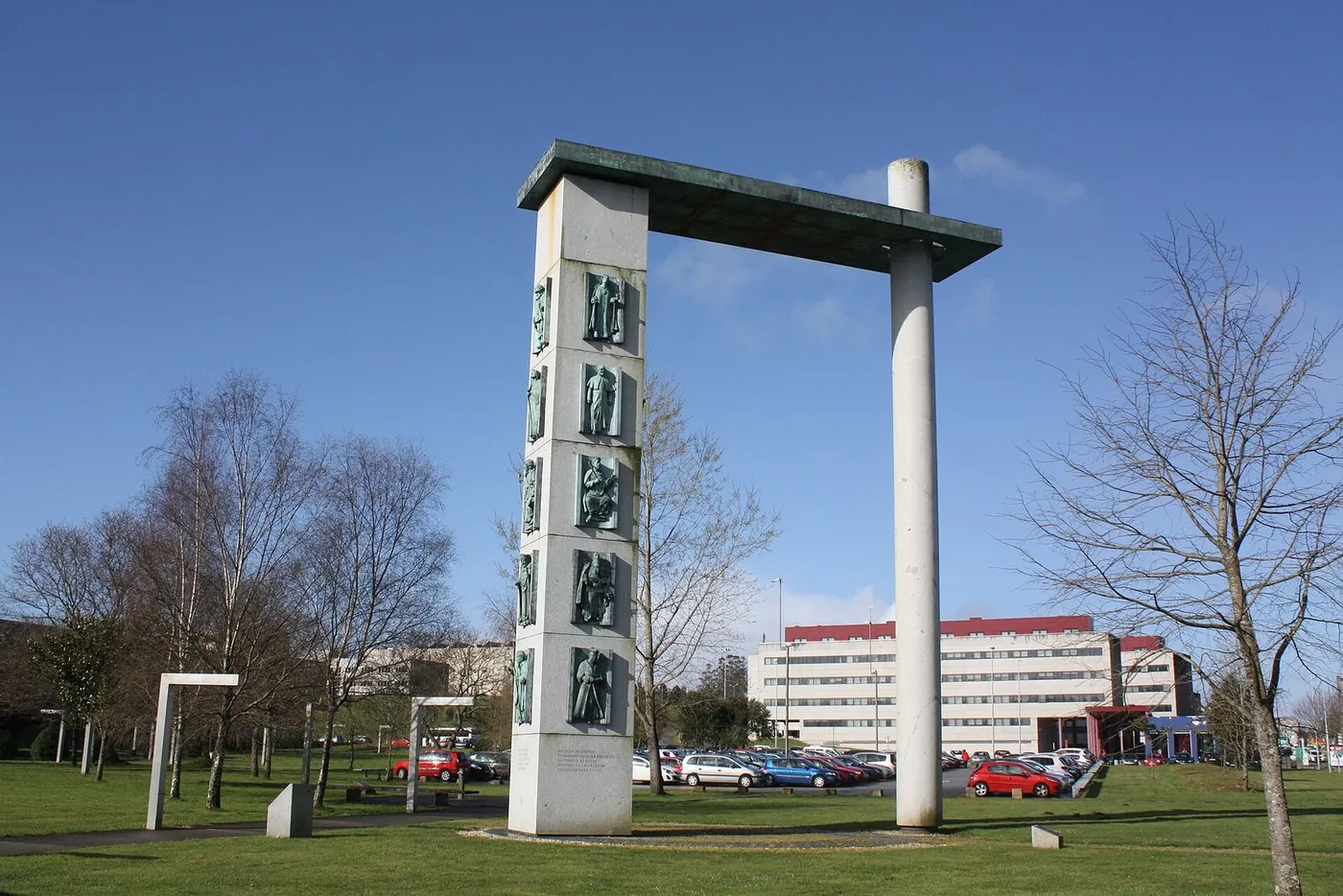
Santiago de Compostela is home to many historic wayside crosses, including the Cruceiro de San Pedro and the Cruceiro do Gaio. These crosses showcase the town's rich cultural heritage and offer a glimpse into its history. The Manuel Ventura Figueroa memorial is a unique artwork that is often overlooked by tourists. The town's heritage is a significant part of its identity, and pilgrims can learn a lot by exploring its historic landmarks. The wayside crosses and memorials are a great way to understand the town's history and culture. They offer a unique perspective on the town's past and present. The OSM tags indicate that these landmarks are historic and cultural significant. By exploring these landmarks, pilgrims can gain a deeper understanding of Santiago de Compostela and its people.
Panoramic Views and Lookout Points
The Miradoiro do Monte de Deus viewpoint offers a panoramic view of the town, away from the crowded city center. This viewpoint is a great place to take in the sights and sounds of Santiago de Compostela. The town's climate means that the views are often clear, making it an ideal spot for photography. Pilgrims can enjoy the peaceful atmosphere and take in the views of the town. The viewpoint is a great place to reflect on the journey and plan the next stage. It offers a unique perspective on the town and its surroundings. The OSM tags indicate that this viewpoint is a tourism viewpoint. By visiting the viewpoint, pilgrims can gain a new appreciation for the town and its natural beauty. The viewpoint is a great place to rest and rejuvenate before continuing the journey.
Discovering Unique Artworks and Landmarks
Santiago de Compostela is home to many unique artworks and landmarks, including the Porta da Mámoa and the Monumento a Rosalía de Castro. These landmarks offer a glimpse into the town's history and culture, and are a great way to learn about its heritage. The town's crowd index of 1.0 means that it can be busy, but by exploring beyond the crowds, pilgrims can discover many quiet spots. The artworks and landmarks are a great way to experience the town's culture and history. The OSM tags indicate that these landmarks are historic and cultural significant. By exploring these landmarks, pilgrims can gain a deeper understanding of Santiago de Compostela and its people. They offer a unique perspective on the town's past and present. The town's pageview seasonality shows that the number of views varies throughout the year, making it a great time to visit during the less busy months.
Insider Tips for Pilgrims: Navigating the Town like a Local
To navigate the town like a local, pilgrims should consider exploring beyond the crowds. The town's natural springs, historic landmarks, and unique artworks are a great way to experience the authentic charm of Santiago de Compostela. By using the WalkSage audio-guide, pilgrims can discover many quiet spots and learn about the town's history and culture. The audio-guide offers a unique perspective on the town and its landmarks. The town's climate means that the temperature is mild, making it ideal for walking and exploring the town's natural spots. Pilgrims can enjoy the peaceful atmosphere and rejuvenate themselves for the next stage of their journey. By exploring the town like a local, pilgrims can gain a deeper understanding of Santiago de Compostela and its people, and create lasting memories of their journey. The town's crowd index and pageview seasonality can help pilgrims plan their visit and make the most of their time in Santiago de Compostela.
Points of interest
In walking order. Each stop is the audio chapter you'll hear in the app: the story, the Local Angle, and the sources behind both.
Manuel Ventura Figueroa
artworkCrowds: not yet measuredManuel Ventura Figueroa is a memorial, a unique artwork. It is often overlooked by tourists.
Local Angle
The Manuel Ventura Figueroa memorial is a unique artwork that is often overlooked by tourists, providing a glimpse into the town's heritage.
42.87737, -8.55112Sources: openstreetmap.org
Cruceiro do Gaio
wayside crossCrowds: not yet measuredThe Cruceiro do Gaio is a historic wayside cross. It offers a glimpse into the town's heritage.
Local Angle
The Cruceiro do Gaio is a historic wayside cross with a wikidata entry, providing a glimpse into the town's heritage.
Miradoiro do Monte de Deus
viewpointCrowds: not yet measuredThe Miradoiro do Monte de Deus is a viewpoint, offering a panoramic view of the town. It is away from the crowded city center.
Local Angle
The Miradoiro do Monte de Deus viewpoint offers a panoramic view of the town, away from the crowded city center.
42.89732, -8.54190Sources: openstreetmap.org
Fonte do Ouro
springCrowds: not yet measuredThe Fonte do Ouro is a natural spring, providing a peaceful atmosphere for pilgrims to reflect.
Local Angle
The Fonte do Ouro is another natural spring that provides a peaceful atmosphere for pilgrims to reflect.
42.88372, -8.55072Sources: openstreetmap.org
Cruceiro de San Pedro
wayside crossCrowds: not yet measuredThe Cruceiro de San Pedro is a historic wayside cross, showcasing the town's rich cultural heritage.
Local Angle
The Cruceiro de San Pedro is a historic wayside cross that showcases the town's rich cultural heritage.
42.88171, -8.53530Sources: openstreetmap.org
Climate (Santiago de Compostela (1991–2020 normals, nearest model grid point))
| Month | Mean temp (°C) | Precipitation (mm) |
|---|---|---|
| Jan | 7.3 | 143.5 |
| Feb | 7.6 | 103.7 |
| Mar | 9.5 | 108 |
| Apr | 10.9 | 117.9 |
| May | 13.4 | 92.1 |
| Jun | 16.2 | 54.5 |
| Jul | 18.2 | 31 |
| Aug | 18.6 | 45.6 |
| Sep | 16.8 | 68.3 |
| Oct | 13.7 | 143.9 |
| Nov | 10 | 156.1 |
| Dec | 8 | 146.5 |
Climate data: archive-api.open-meteo.com. Missing values are shown as "—", never estimated.
Sources
- https://www.wikidata.org/wiki/Q14314
- https://wikimedia.org/api/rest_v1/metrics/pageviews/per-article/es.wikipedia/all-access/user/Santiago_de_Compostela/monthly/20250801/20260731
- https://archive-api.open-meteo.com/v1/archive?latitude=42.883333&longitude=-8.533333&start_date=1991-01-01&end_date=2020-12-31&daily=temperature_2m_mean%2Cprecipitation_sum&timezone=UTC